
Extending a cruise vacation to Peru’s Machu Picchu
We could have zipped south to Peru from Miami, cruised the Upper Amazon, and headed home with plenty of tales of rare bird, snake and sharp-toothed fish for the next dinner party conversation. But when would we ever return to Peru and be that close to the ruins of Machu Picchu?
Though “close” meant 600 complicated miles over four days from Lima, we decided to add this side trip to an Amazon riverboat adventure so we could check off two wonders on life’s bucket list.
Either journey would have been a great trip, whether cruising through nature’s bounty in the jungles of the Amazon with Lindblad/National Geographic or walking through the stunning rock ruins built more than 500 years ago by the Inca nation at Machu Picchu. The combination, including elevation changes of 11,000 feet, was spectacular — and it will serve as a reminder to consider stretching our next trip to include a special destination or experience.
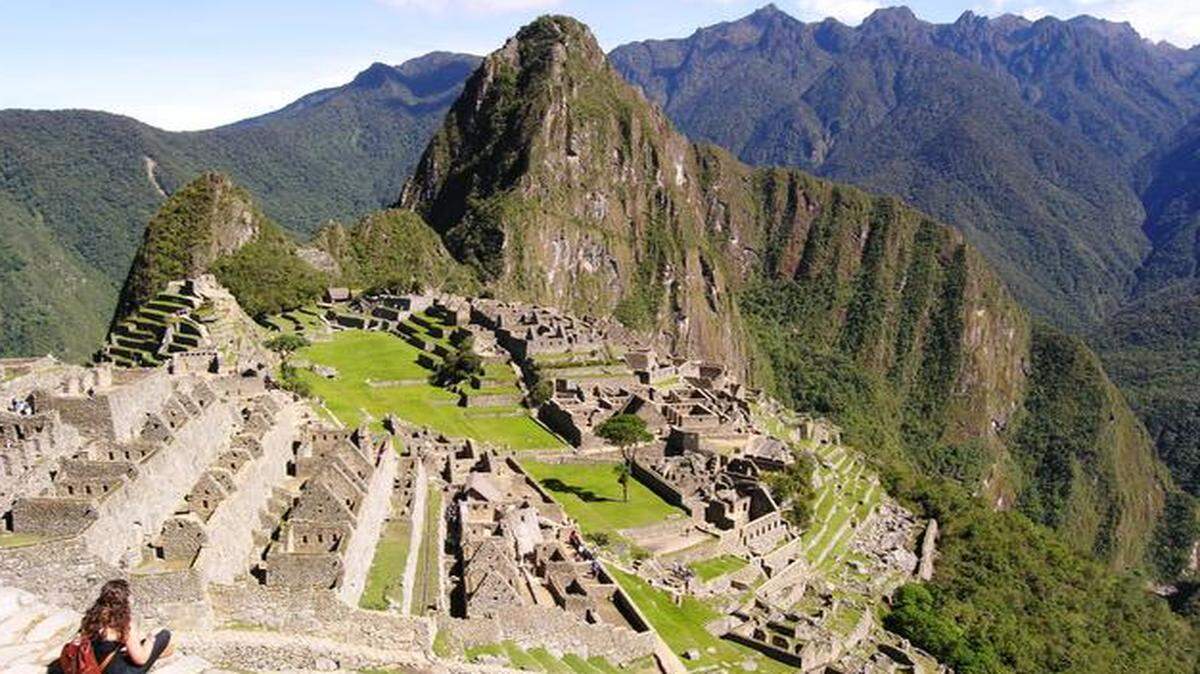
Only 2,500 people per day are allowed into the ruins of Machu Picchu, which was built of stone on a mountainside high in the Andes before European explorers arrived in 1533 to begin their destruction of the Inca culture. Abandoned and hidden by its remoteness, Machu Picchu was not rediscovered until 1911.
Getting there is still a chore, and travelers often spend as long as a week, first to acclimate to the mountain air with limited oxygen in the great old Inca city of Cusco, which sits at 11,000 feet, and then to tour various Inca sites.
There are no roads to Machu Picchu. Most travelers motor from Cusco to the town of Ollytatampo, where two choices await: You may ride a train to a village below the ruins. Or you may walk, climbing for three days, the second of which is known as the Decider, a strenuous hike that is reason for many a walker to turn around and head back to the train. Hikers at the top talk about the rigors of Day Two.
As time for my traveling partner and me was limited, walking from Ollytatampo was out. We also decided to go directly from Lima to the village below Machu Picchu, flying to Cusco on a Wednesday morning, then hiring a taxi at the airport for the 90-minute ride to Ollytatampo, where we would meet the train. Thursday at 6 a.m. we would join a private guide for a walking tour of the ruins.
One reason to choose our sequence for such a quick trip was that Machu Picchu, at about 8,000 feet, is lower than the city of Cusco, so by the time we would walk around Cusco on Friday, theoretically, our bodies would be more acclimated to the thinner air.
The only kink in our plans turned out to be a difficult taxi driver at Cusco. He purposely confused U.S. dollars with Peru’s currency of soles in an attempt to increase his fare. Only after we reached Ollytatampo did we learn that he was talking $120, while we were offering to pay 120 soles (about $45). We reached a compromise, clearly in his favor as he agreed to meet us again, on Friday in Ollytatampo, to drive us back to Cusco.
In the Machu Picchu village, which has grown around the tourism business of the ruins, we booked a stay at the lush Inkaterra resort ($500 and up per person), which was highly recommended as romantic (indeed it was) with a fine Peruvian dining room (very good local dishes), and knowledgeable tour guides to the ruins (ours was). The resort also provided welcome natural hot springs at the end of the touring day for soaking oxygen-taxed calf muscles in need of soothing.
A 30-minute, jouncy, uphill bus ride connects the village to the Machu Picchu entrance, where our guide took great pleasure in walking us up a long set of stairs. At the top, as we turned to see the ruins for the first time, the outline of the Inca village was stunning, white rocks surrounded by the green countryside bathed in a slight morning mist, mountains rising behind, a river flowing below. We stayed for hours, walking the ruins, stopping to daydream, imagining workers without tools and their lives 500 years ago at the top of a mountain.
You will want to be prepared medically for Peru, doubly so if you plan to plunge into the hot, muggy Upper Amazon Basin at sea level and reach the heights of Cusco and Machu Picchu.
More than a month ahead of the trip, my partner Fran Golden and I visited a travelers’ clinic and worked out a plan with a doctor for the sequence of shots — yellow fever, tetanus, whatever else your health might require — and pills for warding off altitude sickness in the mountains, typhoid and malaria in the Amazon. My bill totaled $460. Each day of the trip I popped at least one pill — every 12 hours on the four days up to and around Cusco, switching, as we flew back to Lima and then to the Amazon, to anti-malaria medicine that folowed me all the way home.
Guided trips to Machu Picchu are offered by many tour operators, by some cruise ships as two- to four-day shore excursions out of Lima, and as part of a week’s river cruise/mountain visit with a price tag of about $5,000 per person. You can plan your own trip; we booked air from Lima, train from Ollytatampo, and accommodations using the Internet.
David Molyneaux, editor of TheTravelMavens.com, writes monthly about cruising.
This story was originally published October 8, 2014 at 8:01 PM with the headline "Extending a cruise vacation to Peru’s Machu Picchu."