
The Outdoor Home Checks Most Homeowners Forget That Could End Up Costing Thousands Later
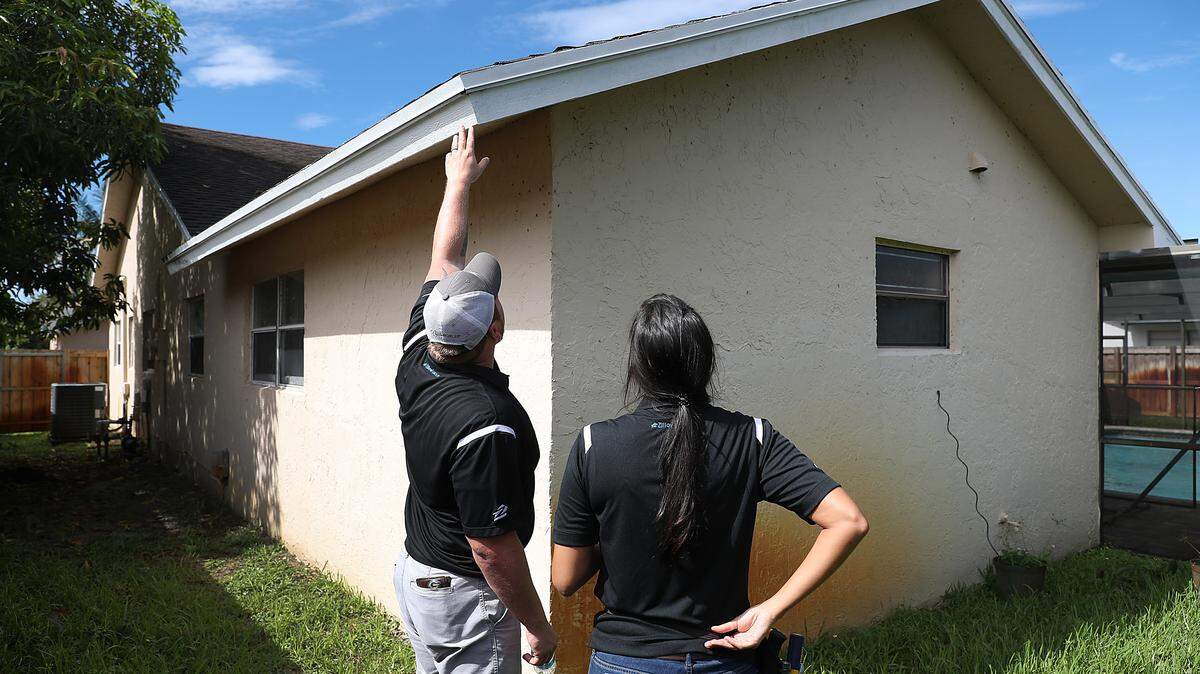
Some exterior maintenance tasks are easy to let slide, especially the ones that require a ladder, a crawl into tight spaces or just more physical effort than they used to. The problem is that the small jobs you skip today have a way of becoming the big-ticket emergencies that hit your bank account hardest tomorrow.
The good news: many of the most expensive exterior repairs are preventable with routine checks. Here is what experts say you should not overlook and why it matters financially.
Clear and Clean Your Gutters
Clogged gutters might seem like a minor nuisance, but the water damage they cause is anything but minor. When debris like leaves or bird nests blocks drainage, water can back up into your fascia, soffit or even your foundation.
Becca Stanek with The Week says: “By checking the gutters to ensure proper drainage and clearing out any debris like leaves or bird nests that may be preventing it, you can avoid the chance of those much more costly, involved repairs.”
If climbing a ladder is no longer safe for you, this is a task worth hiring out. The cost of a seasonal gutter cleaning is a fraction of what you would pay for water damage to your home’s structure.
Get Your HVAC System Checked Every Spring
Your HVAC system is one of the most expensive pieces of equipment in your home, and a breakdown in the middle of summer is both miserable and costly. A spring checkup can catch small problems before they turn into full system failures — and it can also keep your monthly utility bills in check.
Ben Baca, an implementation manager at SmartAC.com, told U.S. News & World Report, as cited in The Week: “Many people don’t consider having a professional maintain their HVAC equipment until it’s too late and a breakdown has already occurred.”
Checking every spring helps give you peace of mind that your system is running as efficiently as possible, which can in turn save a ton of money monthly. For retirees watching every dollar on the utility bill, that efficiency adds up over an entire cooling season.
Inspect Your Roof for Damage
Tough winters could have caused significant damage to your roof like damaged or missing shingles as well as leaks. Even a single displaced shingle can allow water to seep in and cause rot or mold in your attic before you ever notice a drip inside.
A pair of binoculars from the ground can help you spot obvious damage without climbing up. If anything looks off, a professional inspection is a smart investment — far cheaper than an emergency roof repair after a storm exploits an existing weak spot.
Blow Out Soffit Vents
This one flies under the radar for many homeowners, but it has a direct impact on both your energy bills and the life of your roof.
Ethan O’Donnell for Family Handyman says: “Blow out debris from your soffit vents to maintain good attic ventilation. It’ll save on air conditioning costs in summer and protect your roof from condensation in winter.”
Condensation in your attic may be a risk you have not thought about in years. As caulking and seals age throughout a home, ventilation patterns can shift, making this check more important the older your home gets.
Clean Your Weep Holes
Weep holes are usually located on the exterior bottom of your outdoor window frames. They allow trapped moisture to drain out, but they can become clogged with debris from rain, dirt and pollen.
O’Donnell offers a straightforward test: “To make sure your weep holes are working properly, spray the outside of the window with a garden hose – a steady stream of clean water should exit from the holes. If it doesn’t, use a wire hanger or compressed air to force the blockage out. Re-test with fresh water to ensure they’re completely cleaned.”
This is a low-effort check that could prevent moisture damage inside your walls — the kind of hidden problem that gets expensive fast.
Check Exterior Caulking and Seals
Worn or cracked caulk around windows and doors can let in moisture and air leaks, increasing energy bills. If your home is older, the caulk around your windows and door frames has been baking in the sun and freezing through winters for years. Deteriorating seals mean conditioned air leaks out and outside air leaks in, forcing your HVAC system to work harder every month.
Clean and Test Outdoor Lighting
Replace burned-out bulbs and wipe fixtures clean. Check solar lights to make sure panels are not blocked by dirt or debris. Well-functioning exterior lighting is also a basic safety measure — uneven walkways and dark steps become fall hazards at night.
Clean and Secure Outdoor Vents and Exhaust Covers
Dryer vents, HVAC exhausts and attic vents should be free of debris and not blocked by plants or nests.
Dailey Quinn with Southern Living says: “There are a few reasons why you should clean your air vent covers every once in a while. Controlling dust and allergies is a big reason, as well as increasing the HVAC efficiency, too.” Jordan Benjamin, President at Done Rite Services, tells Quinn: “Cleaning your air vent covers can affect airflow, air quality, and noise.”
Blocked vents force your system to work harder, raising your utility costs and shortening the life of expensive equipment.
This article was created by content specialists using various tools, including AI.