
How to Get Rid of Weeds Naturally Without Using Harsh Chemicals in Your Yard
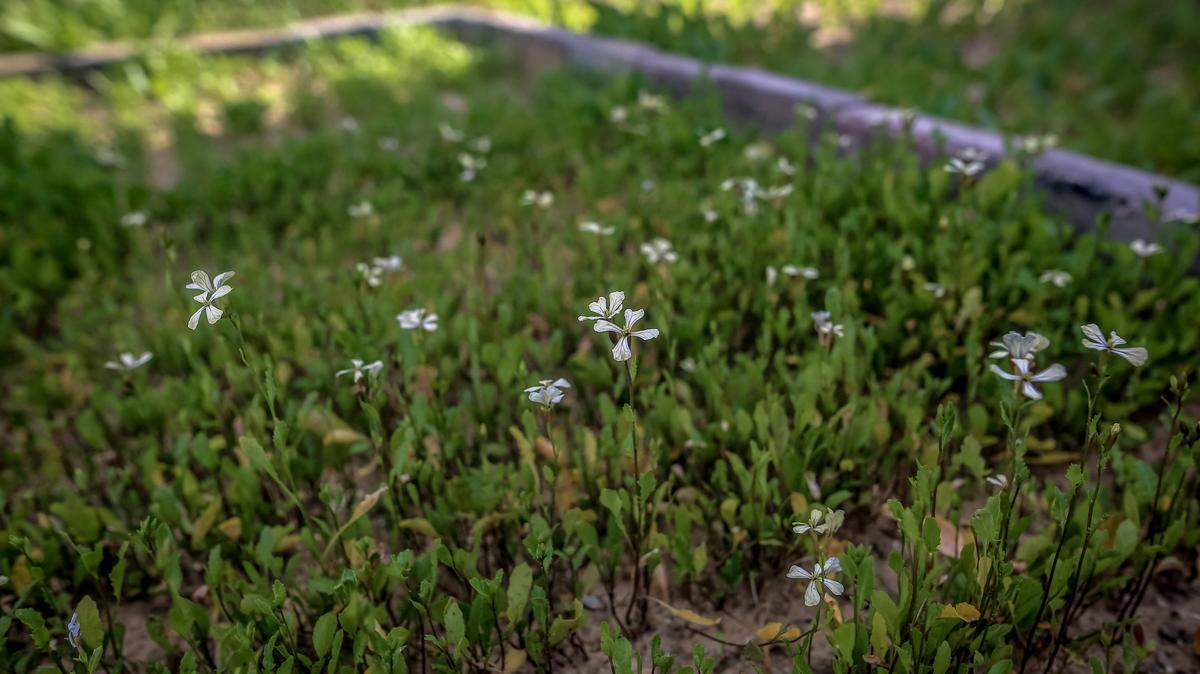
Every spring and summer, homeowners face the same frustrating battle: weeds pushing through driveways, invading flower beds and sprouting stubbornly across carefully maintained lawns. The instinct is often to reach for a powerful chemical herbicide, but those products raise real concerns for families, pets and the broader environment.
Most weed killers out there are full of chemicals that affect everything from your grass to your soil and pets or other outdoor animals. But the good news? There are natural, fast-acting solutions sitting in your kitchen and recycling bin right now that can tackle the problem effectively.
Here are four straightforward methods to fight weeds without introducing toxic substances into your yard.
Vinegar: A Powerful DIY Spray
One of the most popular natural approaches involves an ingredient most people already have in their pantry. Blythe Copeland and Madeline Buiano at Martha Stewart say to make a vinegar weed killer to get rid of these prolific plants. The recipe is simple: just combine 1 gallon of vinegar with 1 tablespoon of dish soap and spray the mixture directly onto the weeds in your yard.
So why does it work? Vinegar contains acetic acid, which acts as a contact herbicide and breaks down the weed’s cell walls and removes moisture. Essentially, the acid dries the weed out from the outside in, causing it to wither.
Make sure to target the weeds directly, as vinegar can also kill other plants in your yard. That means careful, precise spraying is key — especially if you’re working near flowers, vegetables or ornamental plants you want to keep healthy. A spray bottle with a narrow nozzle can help you direct the solution exactly where it needs to go.
Boiling Water: The Simplest Solution
If you don’t want to mix anything at all, the next method requires nothing more than a pot and a stove. According to DIY Pest Control, boiling water is one of the fastest options available.
“Boiling water represents one of the quickest and most potent options for killing weeds found in driveways and rocky garden areas. This method completely eradicates weeds on contact without any toxic chemicals. The extreme heat kills the plant tissue immediately and typically destroys the roots of many weed species. This approach works best for annual weeds and young weed seedlings in small areas where precision application is possible.”
This method is especially appealing for people dealing with weeds that crop up in cracks along walkways, patios and driveways — places where you wouldn’t worry about harming surrounding plants. Simply boil a pot of water, carry it outside carefully and pour it directly onto the unwanted growth. The results are nearly instant.
However, as the source notes, this approach works best in small areas where you can apply the water precisely. It’s not ideal for treating large stretches of lawn, but for targeted problem spots, it’s hard to beat for speed and simplicity.
Dish Soap: The Secret Booster
You can also use something you already have in your kitchen: dish soap. While it may not eliminate weeds on its own, dish soap plays a crucial supporting role when paired with other natural weed killers like the vinegar solution described above.
According to DIY Pest Control, “When combined with other natural weed killers, dish soap acts as a surfactant, helping the mixture adhere to weed foliage more effectively. The soap breaks down the waxy protective coating on plant leaves, allowing the active ingredient to penetrate more thoroughly and deliver results more rapidly.”
In other words, the dish soap ensures that your homemade weed-killing spray sticks to the plant rather than beading up and rolling off. That waxy layer on leaves is a natural defense mechanism for plants — and dish soap strips it away, giving the vinegar or other active ingredients direct access to do their work.
Newspapers and Cardboard: Smothering Weeds the Old-Fashioned Way
For a slower but highly effective long-term strategy, look no further than your recycling pile. Kriss Bordessa writes in Attainable Sustainable, “Every cardboard box or newspaper that makes its way into my house goes into the yard and garden. I flatten the boxes, remove any plastic tape, and spread them around the base of trees and plants to smother weeds. This greatly reduces the weed population. The benefit here is that the layers of mulch eventually break down and improve the soil.”
This method stands out because it does double duty. Not only does it suppress weeds by blocking sunlight and physically smothering growth, but as the materials decompose over time, they actually enrich the soil beneath them. Covering the cardboard or newspaper with a layer of wood chips or mulch also keeps your garden looking tidy while the weed-blocking material does its work underneath.
Choosing the Right Method for Your Yard
Each of these natural weed-killing solutions has its strengths, and the best choice depends on your specific situation. Vinegar spray works well for visible, accessible weeds across your yard. Boiling water is ideal for quick strikes on weeds in driveways and rocky areas. Dish soap amplifies the effectiveness of other natural treatments. And cardboard or newspaper mulching offers a long-term, soil-improving strategy for garden beds and around trees.
The common thread? None of these methods require a trip to the hardware store or a chemistry degree. They’re accessible, affordable and far gentler on the environment around your home.
This article was created by content specialists using various tools, including AI.