
Now that Miami’s winters are warmer, this dramatic cold-sensitive plant could thrive
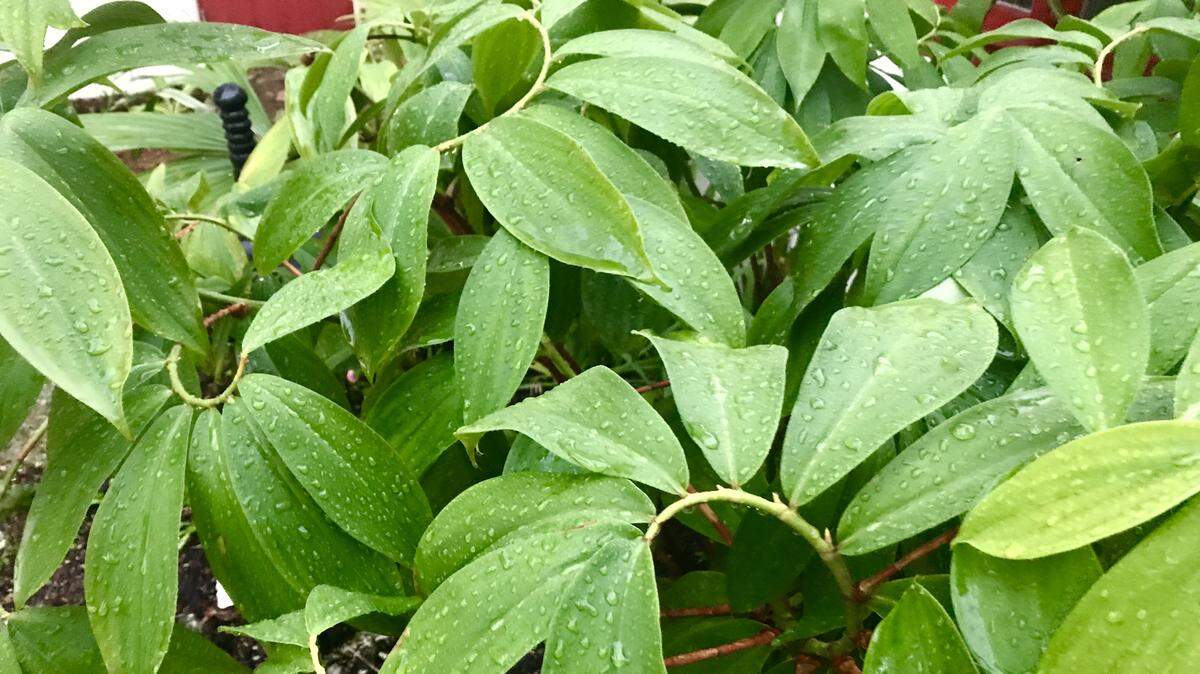
While renovating Fairchild’s Tropical Plant Conservatory last year, we removed a spectacular but overgrown pineapple ginger (Tapeinochilos ananassae). For years, the plant had caught everyone’s attention with its reddish bamboo-like canes, twisty branches of spiraling leaves, and its large, bright red flowering stalks shaped like upside-down pineapples.
In removing the plant from our conservatory, we created dozens of small cuttings that are now growing happily in our nursery, earmarked for distribution to our members. As we share this wonderful ginger with the community, it might seem odd that it isn’t already popular among local gardeners.
The world has more than 1,500 ginger species, most found in the tropics and subtropics. Many, like commercial ginger, are known for their culinary and medicinal uses. Many lesser-known species have the potential to become terrific garden plants.
The pineapple ginger is native to Indonesia’s Spice Islands and parts of New Guinea and Australia. The 17th century botanist Georgius Everhardus Rumphius recorded its traditional use as an antidote to snake venom.
Three centuries later, in 1959, the pineapple ginger made its way into the gardens of Hawaii and South Florida. Today, it is grown throughout the Hawaiian islands, but it remains almost unknown in South Florida.
Although the species has been introduced to Fairchild several times over the years, it never survived for long. Pineapple gingers are truly tropical, requiring year-round warmth. Historically, our winters have been too cold.
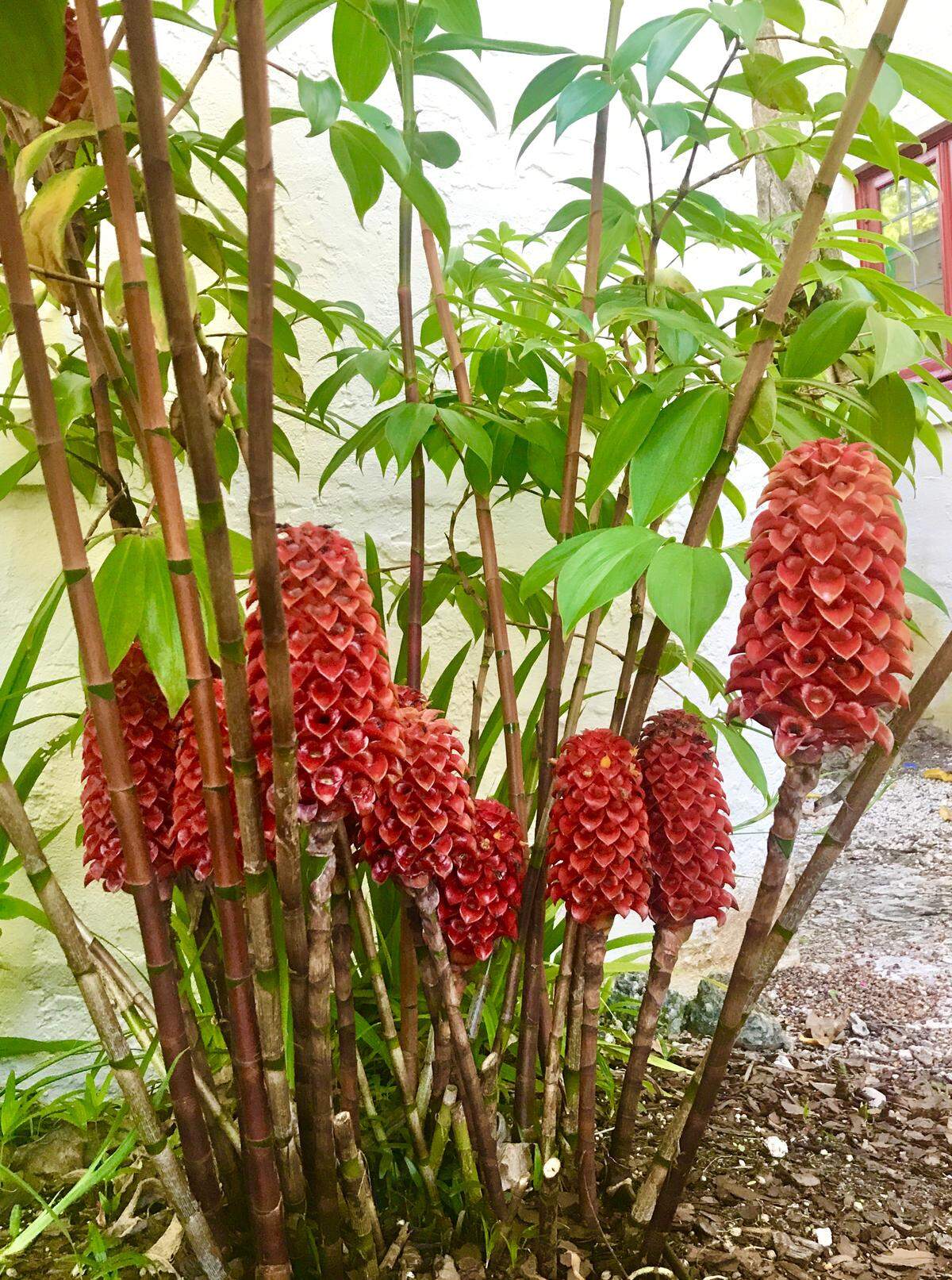
It’s time to give pineapple gingers another try in South Florida gardens. Winters are noticeably warmer than just a decade ago, so we can now consider more cold-sensitive, ultra-tropical plants. To be sure, each winter brings the possibility of a cold snap, but it has been nearly a decade since the last one.
Pineapple gingers grow well in partial shade with consistent watering. They bloom most vigorously when they get at least a few hours of direct sun every day. In their natural rain forest habitat, they grow in loose, acidic soil with a layer of decomposing leaf litter. We can create similar conditions by mixing pine bark chips and peat moss with good topsoil. Fertilizers formulated for palms work well.
The flowering stalks of pineapple gingers emerge in early summer and persist for months, making them ideal, long-lasting cut flowers.
Rare gingers are available from many sources on the Internet and from some local specialist nurseries. The ginger plants propagated from our conservatory will be available during our plant sales.
I teach a class at Fairchild called Gardening with Gingers, where I explain how to grow pineapple gingers and other rare, underutilized species in South Florida. Come learn about these fantastic plants at fairchildgarden.org.
Carl Lewis, who has a Ph.D. in systematic botany from Cornell University, is director of Fairchild Tropical Botanic Garden.