
Eupatorium is hard to find, but it’s great for attracting butterflies and pollinators
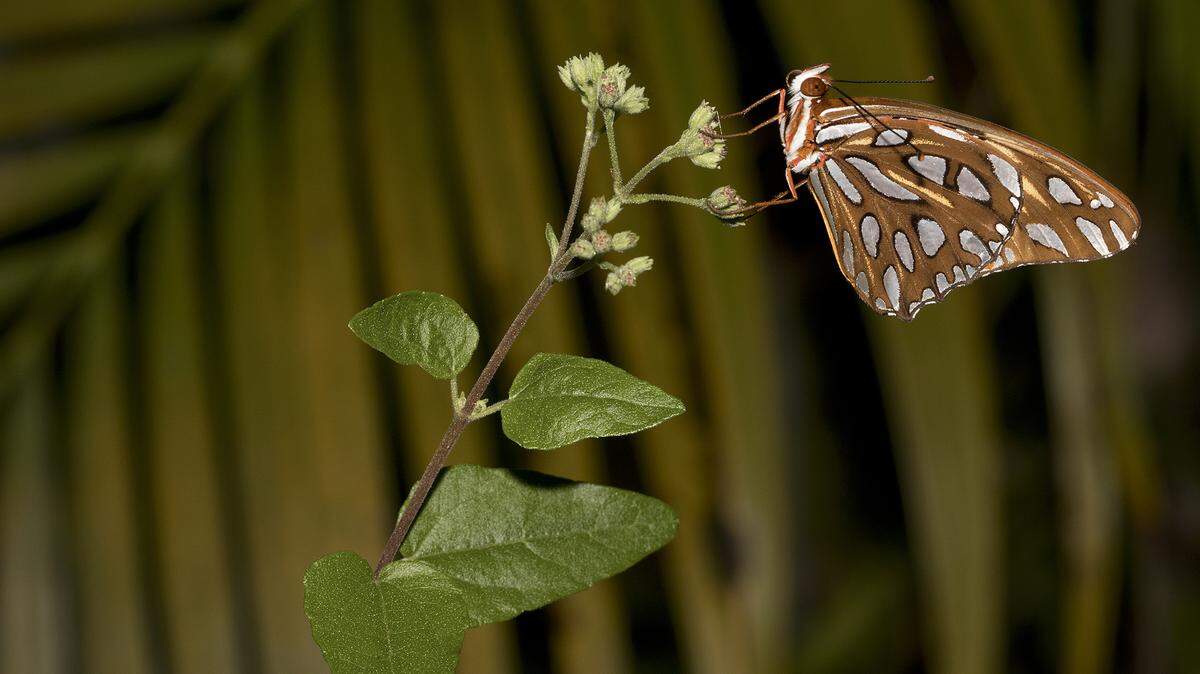
I feel obligated to write about a plant that has taken much abuse and has always come back: Shrub eupatorium, a butterfly plant that has much to offer besides an awkward name.
It doesn’t look like much on the face of it, this state-listed endangered, bushy little shrub. You’d be forgiven for passing it by. But its charms outweigh the trouble you may have finding one outside a Fairchild sale or native nursery.
Koanophyllon villosum is its botanical name, and the plant, in the aster family, was previously in the genus Eupatorium, many of which are known as boneset, a somewhat Victorian common name. It is also known as Florida Keys thoroughwort, a thoroughly unwieldy name, plus it’s not limited to the Keys. I go by thoroughwort, shrub eupatorium, or eup for my own plant. We are on a first-name basis.
This evergreen plant in the aster family will get to only about 6–7 feet tall, but will probably droop long before that height is reached. When I first planted my own eup, it constantly fell over. I propped it up, not knowing if this was for the better or not. After it rooted, it didn’t fall again for a while, but does seem to naturally droop when it reaches a certain height.
This native of Miami-Dade pine rocklands and hardwood hammock edges does best in full sun. Mine is getting the harshest midday sun without a problem. And after it’s established, shrub eup never needs irrigation. It’s also native to parts of the Caribbean.
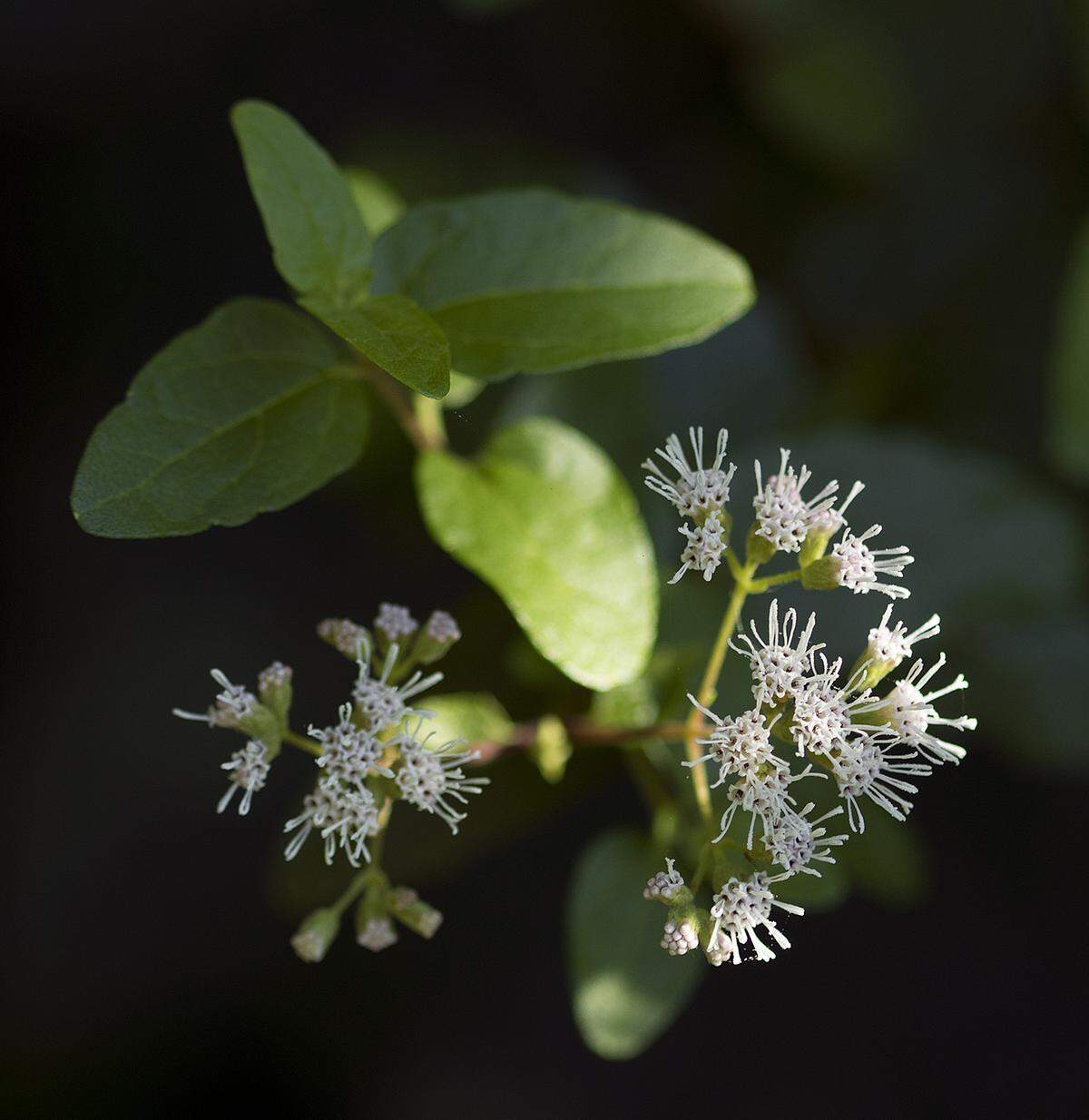
As a plant known to attract lots of pollinators, as many in the aster family do, I really wanted eup to flourish and didn’t know if it would “take.” But it’s put up with so much abuse. First, I carelessly planted it beneath a coconut palm. Predictably, coconuts fell on it often, usually breaking a portion of the woody stems and always bending it to the ground.
Then, the same palm tree completely collapsed onto the eup during Hurricane Irma. It stayed buried beneath the hundreds of pounds of trunk, foliage and other debris for a couple of weeks until I could start removing the palm. Miraculously, it survived, and has since rebounded.
Its historical range is interestingly reflected in the Miami rock ridge, or what’s left of it. Though it’s pretty rare in the wild, don’t let that put you off. It’s rare not due to its own difficulty, preferences, or any pathogen or insect pest, but rather to a lack of places to live. Our eagerness to destroy pine rocklands is the plants’ major threat.
Shrub eup flowers practically all year round, meaning it is especially supportive of wildlife like bees, butterflies, skippers, moths and others that sip nectar. Grow it in full sun, watch the wildlife gather, and when you walk by, stop to notice that the leaves smell mildly of spearmint and the flowers a bit like cinnamon.