
These nurses give hope to families caring for children with complex medical needs
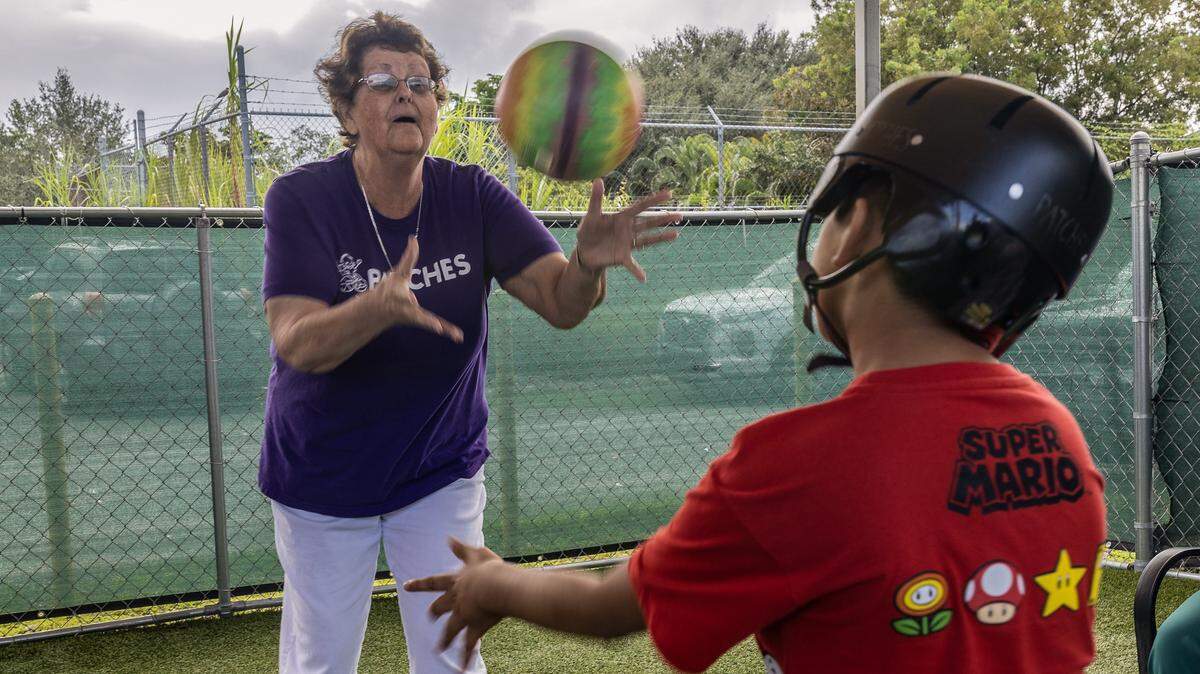
Tara Ramey counts her blessings every time she walks through the doors of Patches, a Florida City residential facility that cares for babies and children with significant medical needs.
“I love these children, and I have a passion for them,” said Ramey, a nurse who began working with Patches in 2008. “Some babies come to us right out of the hospital. Sometimes, they are here for years. I feel like we are making a difference. Still, it isn’t easy to walk in the shoes of a parent whose child may never get better.
“We know what our parents are dealing with,“ Ramey said. “We keep that in mind.“
Two nurses —Kyle Smith and Joanie Ippolito, who has since retired — founded Patches in 2000. Helping parents deal with the plight of their severely sick children —in some cases, with terminal illnesses— while helping them navigate through the legal and medical roadblocks they face daily, is a major part of the care the center provides.
Smith, a soft-spoken mother of six grown children explains how Patches, a Prescribed Pediatric Extended Care (PPECC) center, works: “We are the largest PPECC in the state and the only one that takes children for free. For instance, we have a 14-month-old baby who is oxygen dependent, and who has a colostomy and a feeding tube.
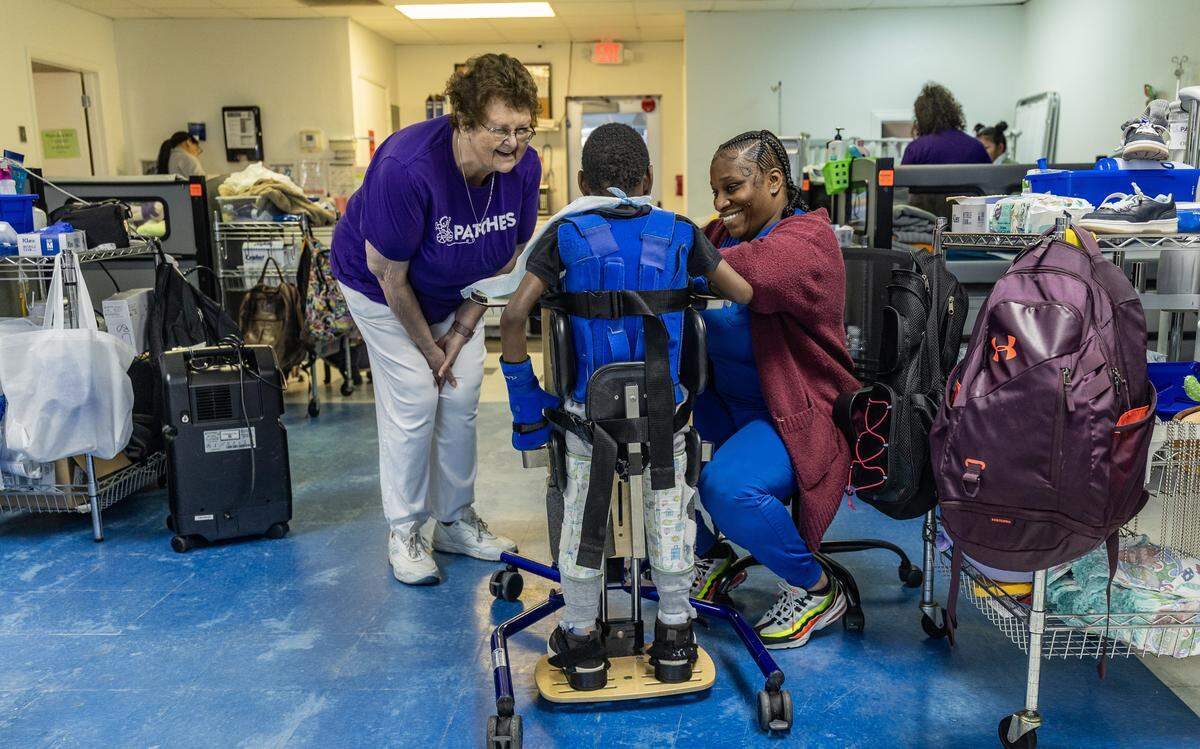
“Mom and dad both work and have commercial insurance, but it doesn’t cover the intense care the child needs. So, he is with us. It’s what we do,“ she said. “The children are with us for up to 12 hours a day, five days a week. We help educate the parents to care for their children at home and to recognize subtle changes in their child’s condition.”
Smith said some of the infants wouldn’t be able to get follow-up care at Nicklaus Children’s Hospital were it not for the Patches staffers, who make sure they get to scheduled doctors’ appointments on time. They had to take on this extra task because transportation provided by Medicare is often late.
“If these critically ill children miss their appointment, they will have to wait weeks before they can get another appointment,“ Smith said.
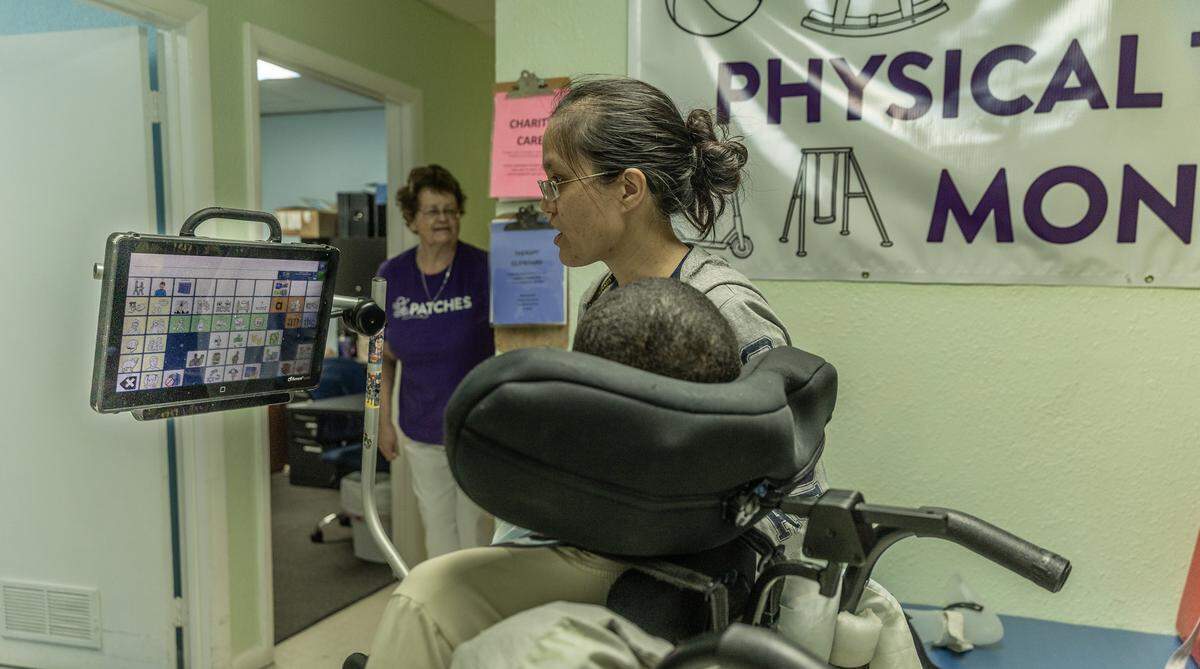
Earlier this year, Gov. Ron DeSantis vetoed $500,000 slated to be used to expand Patches, laying the foundation for a 65,000-square-foot facility called The Villages that will house pediatric alternative treatment, care, housing and evaluation services.
The interconnected village will offer a range of comprehensive services to children and young adults. Currently, children age out of the program when they turn 21. The new facility will have a place for young adult clients. The facility will also house an educational program for children pre-K to third grade. And for fun, an enhanced rock-climbing wall and a splash pad, Smith said.
Despite DeSantis’ veto, the new facility is scheduled to open in 2026, thanks to donors.
PPK Architects designed the facility pro bono. Other donations include $300,000 from Lennar Homes, and more than $2.2 million in cash, goods and services from Baptist Health South Florida.
Blue Cross bought a room in the new facility and donated $50,000; The Children’s Trust donated $20,000; and earlier this year, The Heartbeats for Patches, a volunteer woman’s group, gave the center a check for $176,000. The group has pledged an additional $500,000 for the new center.
For three years in a row - 2023-25 - Guide Florida magazine named Patches the “Best of Florida.“ That’s no easy feat, Smith said, because recent government cuts have made it harder for the nonprofit to maintain its top-quality status.
“We are a free clinic for children needing special care,” Smith said. “We don’t turn away any child whether they can pay or not. We do what we can to help the children and their parents. Some of them can hardly afford food; how can they afford diapers?“
There are 48 children at the South Dade program and 44 in the Patches Fort Pierce center.
“For every three children, I need a nurse,“ Smith said. “Everybody is hands-on here. It is difficult, but I’m not going to skimp on care. I thank God for bringing in every donated dollar.“
How to help
To donate to Patches, visit https://patchesppec.org/ways-to-give/.
Editor’s note: This story is part of the Miami Herald Giving Section that highlights local nonprofit organizations in the community.