
‘It’s not just about food.’ These two South Florida groups can change lives
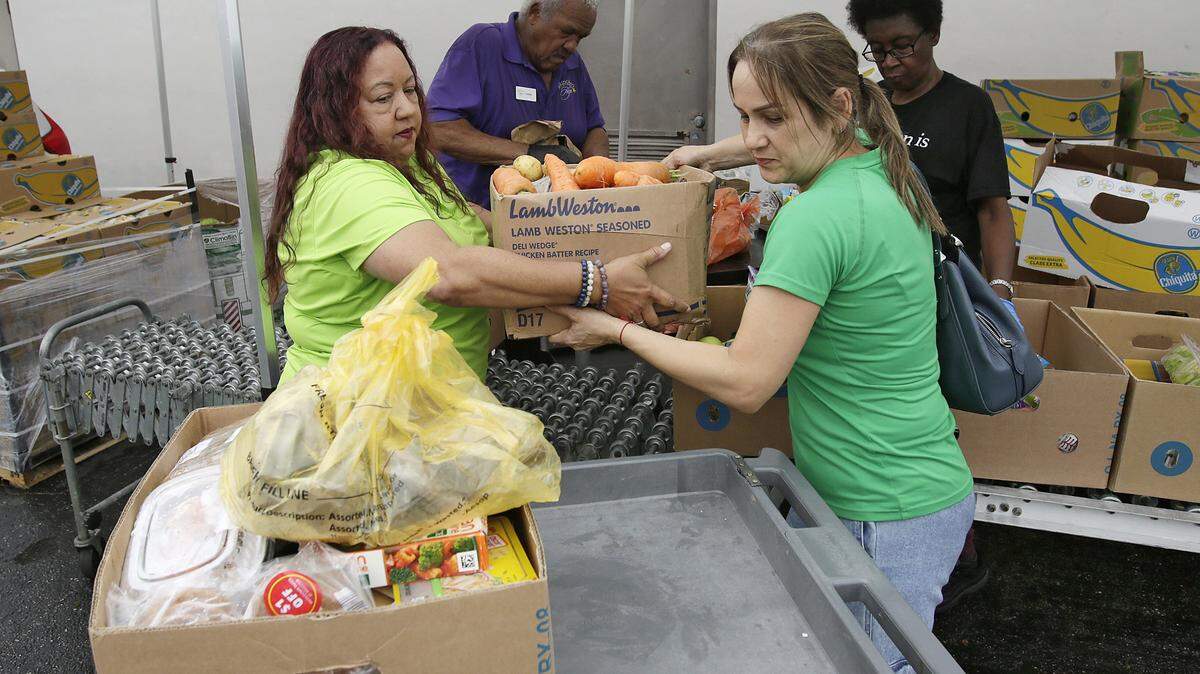
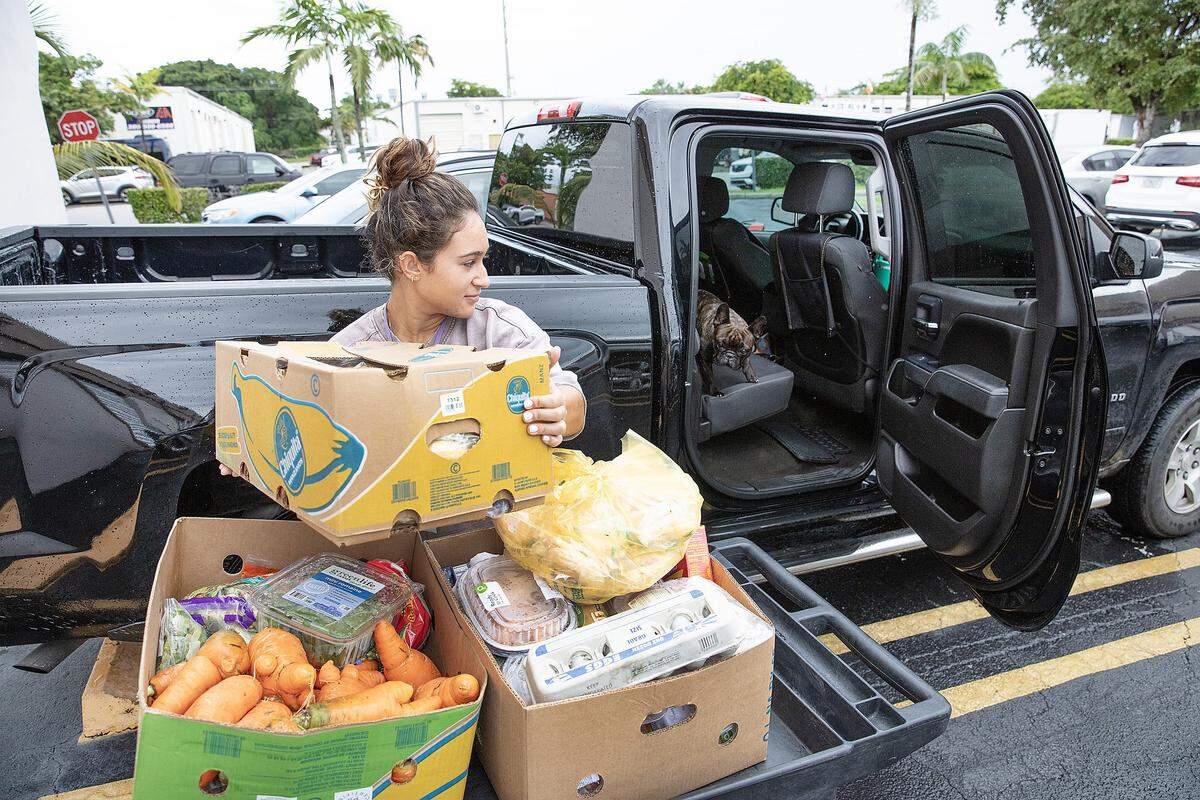
Behind the doors of a nondescript Cutler Bay warehouse, Bridge to Hope W.O.C. Inc. runs one of Miami-Dade’s largest community-based efforts to fight hunger.
“It’s not just about food, it’s about relief and dignity,” said the Rev. Vanessa Tinsley, executive director and co-founder.
The group is preparing to expand its reach in 2025, building on the 2 million people served in 2024.
That relief comes not only through food but also through hygiene supplies such as soap, toothpaste, diapers, and feminine products, essentials many families cannot afford yet cannot live without. Paired with boxes of fresh produce, milk and bread, those items help struggling households feel cared for, not just fed.
For Tinsley, the mission is personal.
“I had a situation over 30 years ago when I could not feed my family,” she said. “I could not buy soap and groceries.”
Once she got back on her feet, she set out to pay it forward.
Bridge to Hope, founded in 1988, has grown steadily while keeping expenses lean. According to Guidestar, a database on nonprofits, the leadership takes no salaries, and Tinsley and the board serve without compensation. The group’s payroll, just over $120,000 in 2022, covers only a handful of support staff.
An independent audit shows that more than 97 cents of every dollar, cash and in-kind, goes directly to Bridge to Hope programs. That money feeds families, delivers food to seniors, and helps people moving out of homelessness.
Run by only five full-time staff and six part-time workers, the nonprofit’s efficiency and scale has drawn steady support from funders. Guidestar reports Bridge to Hope has received 25 grants from 17 sources, totaling $4.6 million in the past five years. Its most notable gift came in 2024 from philanthropist MacKenzie Scott, the former wife of Amazon founder Jeff Bezos, who contributed a grant of $2 million.
“It was one of the best experiences of my life when we got $2 million from the MacKenzie Scott Foundation,” said Tinsley, who submitted the grant. “I dropped to my knees and thanked God.”
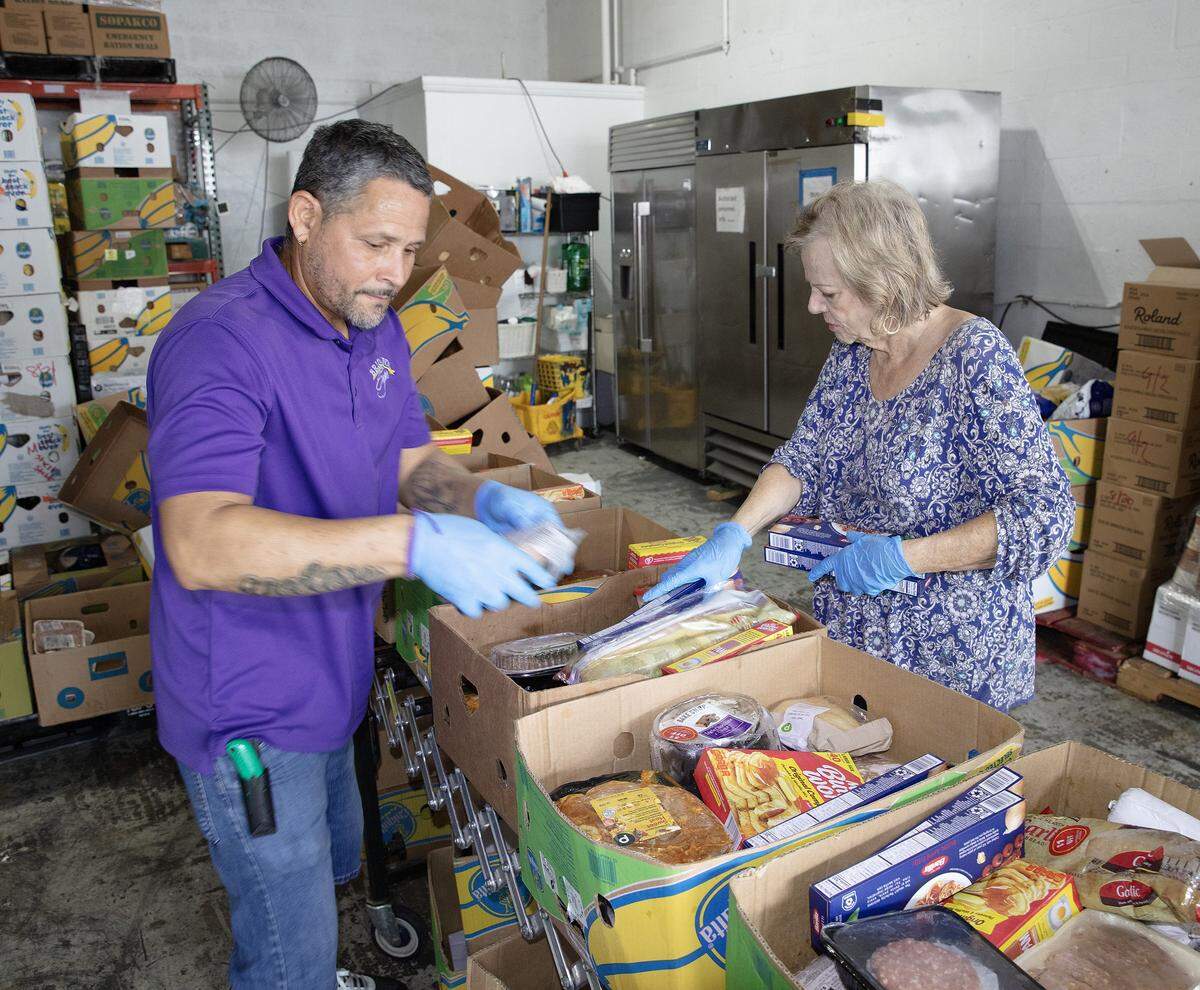
Beyond food boxes, Bridge to Hope also operates a mobile pantry with 280 people receiving home deliveries. Other services include health screenings. In the coming months, new programs are expected to provide laptops, internet access and classes.
While Bridge to Hope remains rooted in the community, it is not a profit-making business. Expenses rise as its mission expands, which is why the organization continues to be hungry for donations. Contributions can be made online at bridgetohope.net.
Feeding South Florida
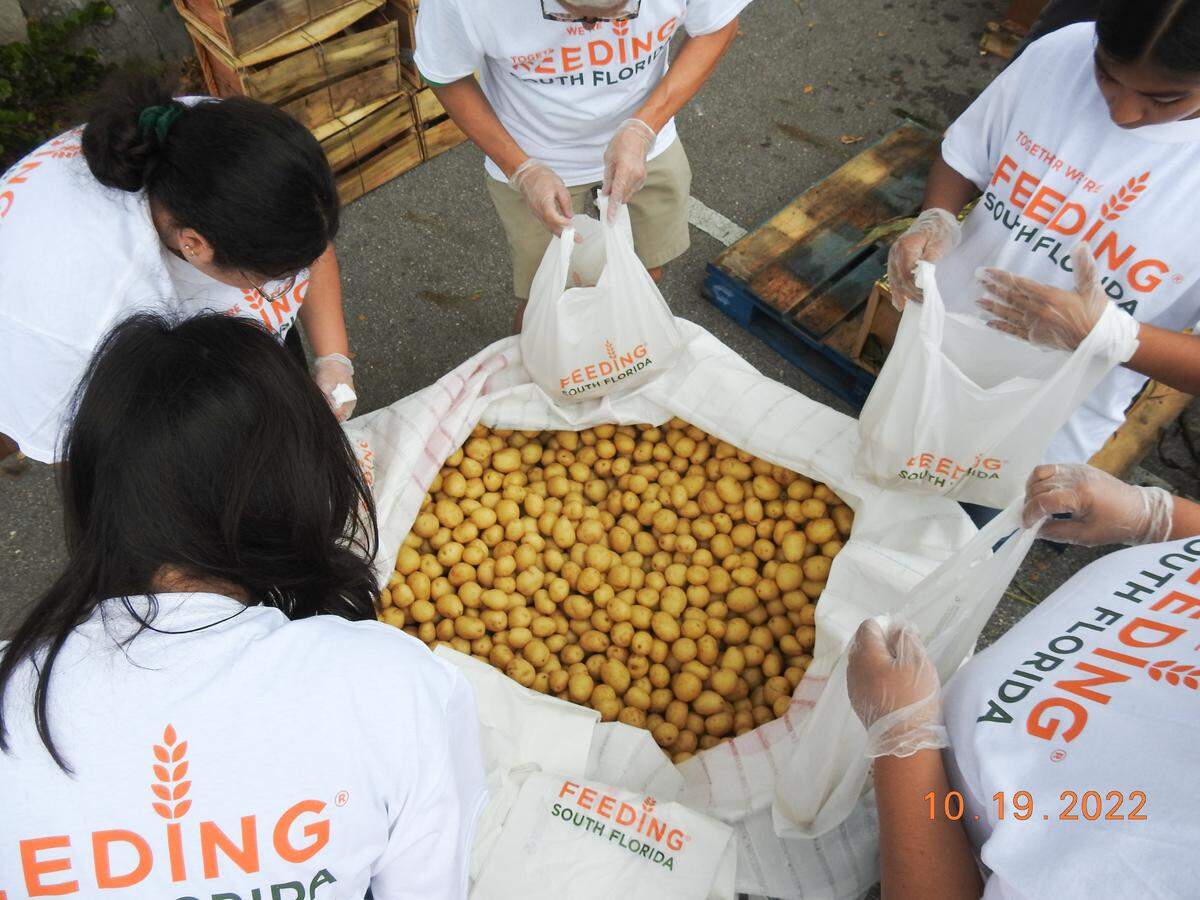
Another major provider feeding the food insecure is Feeding South Florida, a member of the Feeding America network and the leading hunger-relief organization serving Palm Beach, Broward, Miami-Dade and Monroe counties.
“As a food bank, we go out and rescue food from those who have it and help get it on the table to those who need it,” President and CEO of Feeding South Florida Paco Vélez said.
Feeding South Florida works with a diverse portfolio of food donors across its four-county area and beyond, tapping farmers, distribution centers, packing houses and retail outlets throughout Florida and across the United States. The organization operates the largest retail pickup program in the country, collecting food each week from 600 outlets.
“We work with 300 nonprofit organizations where we distribute the food for them,” Vélez said.
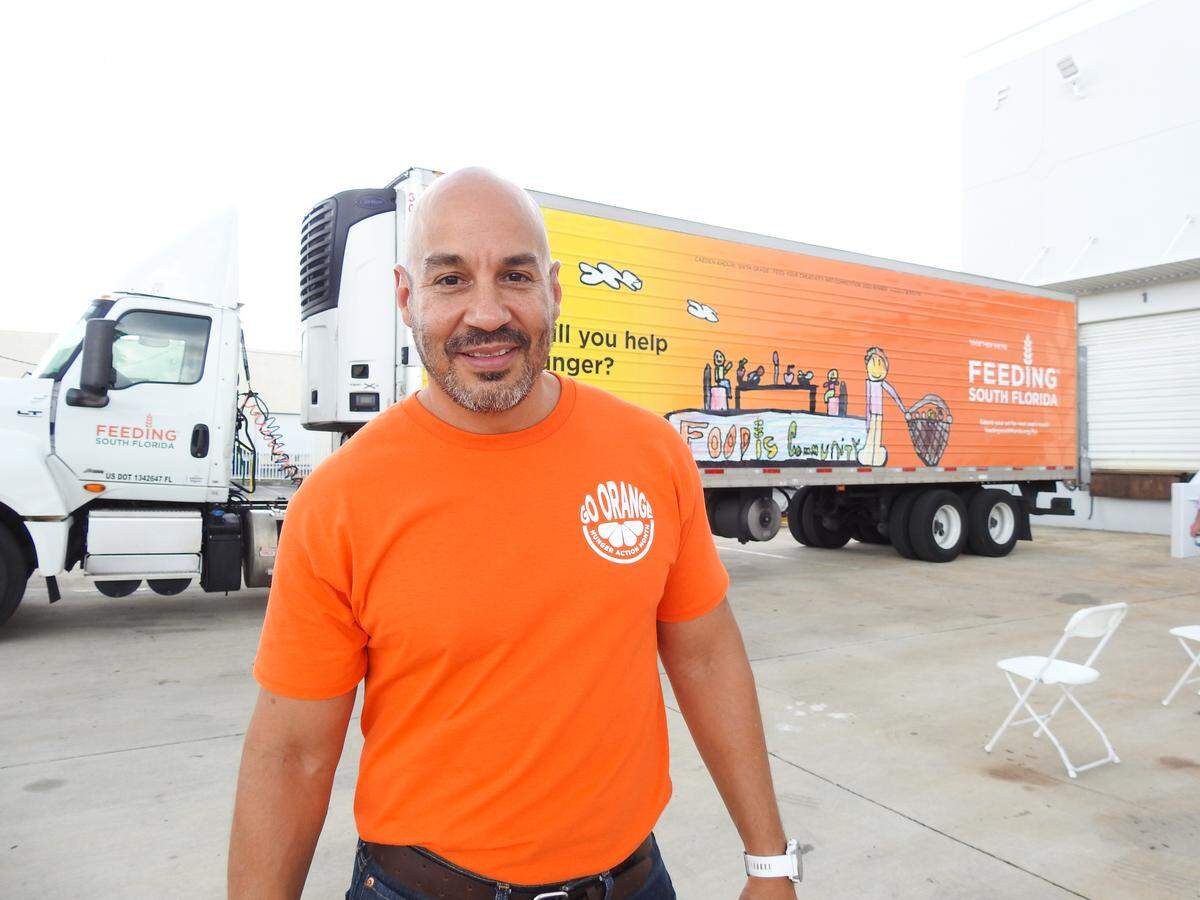
“Last year, which ended June 30, 2025, we distributed 84 million pounds of food, or just over 70 million meals across the four counties,” Vélez said. “This year we are looking to increase that by about 20 percent.”
The majority of those seeking meals are working families struggling to make ends meet. Feeding South Florida also serves large numbers of seniors on fixed incomes. For those who cannot prepare their own food, the organization provides prepared meals; for others, grocery boxes. Children are served through summer meal programs when school is out, as well as after-school meals during the school year.
Feeding South Florida has about 24 pantries embedded within public schools in Palm Beach, Broward and Miami-Dade counties, allowing students and their families to access food when needed. It also operates college pantries at Florida International University and Miami Dade College, as well as pantries in hospitals.
“What we hear from our partner agencies is that they do need more food because they are getting a lot more families coming to their pantries,” Vélez said. “What we see at our pantries is that the number of individuals has doubled.”
In response to demand, Feeding South Florida is expanding its pantry capacity to larger spaces and more frequent service.
“Our community of South Florida has always been extremely supportive of our mission, and more importantly they want to be part of the solution to help families put food on the table,” Vélez said.
South Florida is among the areas with the widest wealth disparity in the country. Yet, Vélez noted, the community always responds, whether it is a natural disaster, a government shutdown, a global pandemic, or the everyday crisis of food insecurity.
Funding comes from individuals, corporations and foundations. Volunteers also play a critical role.
Vélez says the mission is three-fold: to provide immediate access to nutritious food, to ensure families know where to go for help, and to lead advocacy efforts around poverty and hunger.
They avoid mass food distributions because, as Vélez explained, “it doesn’t let folks know exactly where to go for food.”
“We want to provide a voice for those who feel they don’t have a voice,” Vélez said. “Especially with a lot of the different policy changes that are happening at the local, state and federal levels.
“Sometimes we make headway, and sometimes we don’t,” Vélez said.
Beyond food, Feeding South Florida seeks to transform lives through innovative programming and education. Food is the entry point to broader services, including life skills training, nutrition education, financial literacy, resume writing, interview skills, workforce and culinary training.
For those who want to help, Vélez directs people to the Feeding South Florida website. He encourages donations of either funds or time, with the goal of neighbors serving neighbors.
“There is room at the table for everyone, no matter where you work, where you pray, where you live,” Vélez said.
Feeding South Florida, which supports 25 percent of the state’s food-insecure population, reports serving more than 1.2 million people, with record demand fueled by inflation, supply chain disruptions, rising fuel costs and soaring housing prices.
Feeding South Florida reported $161.6 million in revenue and $160.5 million in expenses in 2022, with nearly $153 million directed to programs, according to its IRS filing. The nonprofit, with 92 staff and thousands of volunteers, distributes millions of pounds of food across the region.
Readers who want to support Feeding South Florida can donate online at www.feedingsouthflorida.org.
How to help
Bridge to Hope W.O.C. Inc. 23880 SW 167th Ave., Miami 305-258-5556 bridgetohope.net
Feeding South Florida 2501 SW 32nd Ter., Pembroke Park 954-518-1818 feedingsouthflorida.org
This story was originally published October 8, 2025 at 10:43 AM.