
How these groups are helping South Florida parents whose children have disabilities
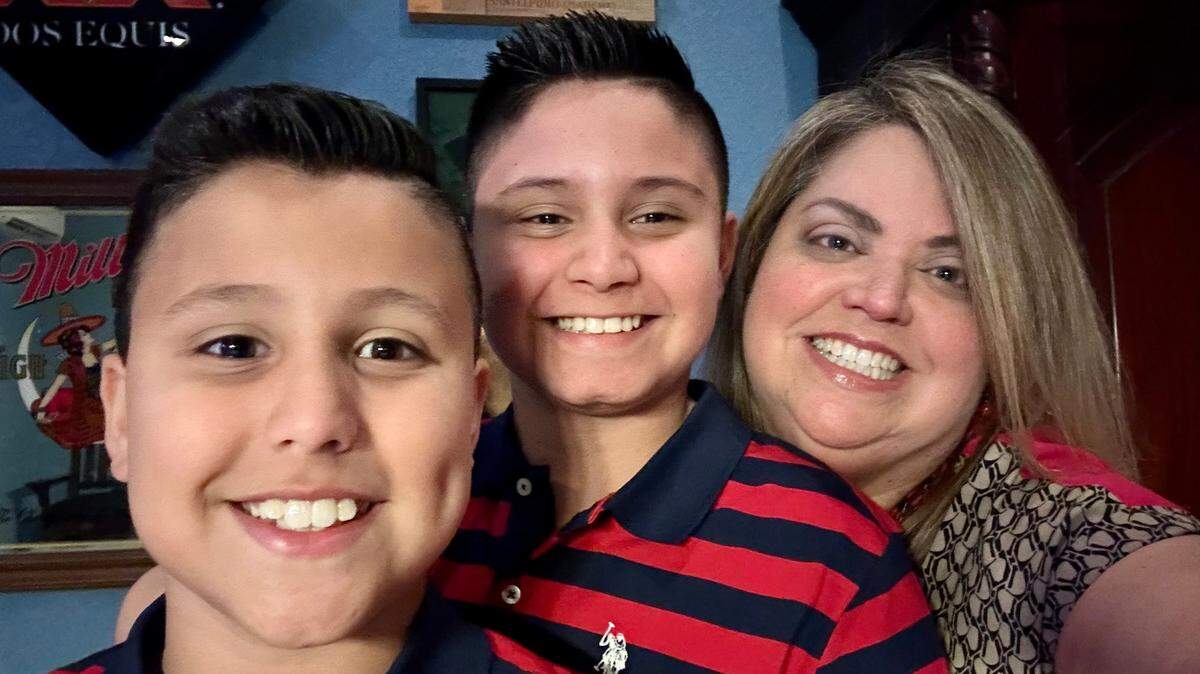
Mari Miranda, a West Kendall parent of two sons with special needs, said she couldn’t have gotten her sons the help they needed without Parent to Parent of Miami.
Her 11-year-old son, Alexander Blanco, has bilateral hearing loss and ADHD. Andres Blanco, 10, has been diagnosed with ADHD and oppositional defiant disorder (ODD).
A Parent to Parent advocate went with her to her sons’ Individualized Education Program (IEP) meetings and helped her understand what accommodations they were entitled to under federal laws. Some of the accommodations include small testing groups, extra time for homework, tests and projects and reduced homework.
“Alexander receives additional support in areas such as speech and language therapy, as well as classroom accommodations that help him stay focused and engaged,” Miranda said.
Andres has received counseling focusing on social emotional behavior twice a month, she said.
Parent to Parent informed her of a summer camp at FIU’s Center for Children and Families tailored to children with ADHD. Her sons are on the waiting list.
“Parent to Parent of Miami not only helped me advocate for my sons but also empowered me as a parent to navigate the complex world of special education and disability advocacy,” said Miranda. “Their impact goes beyond my children’s education. They’ve helped our family feel more supported and less isolated.”
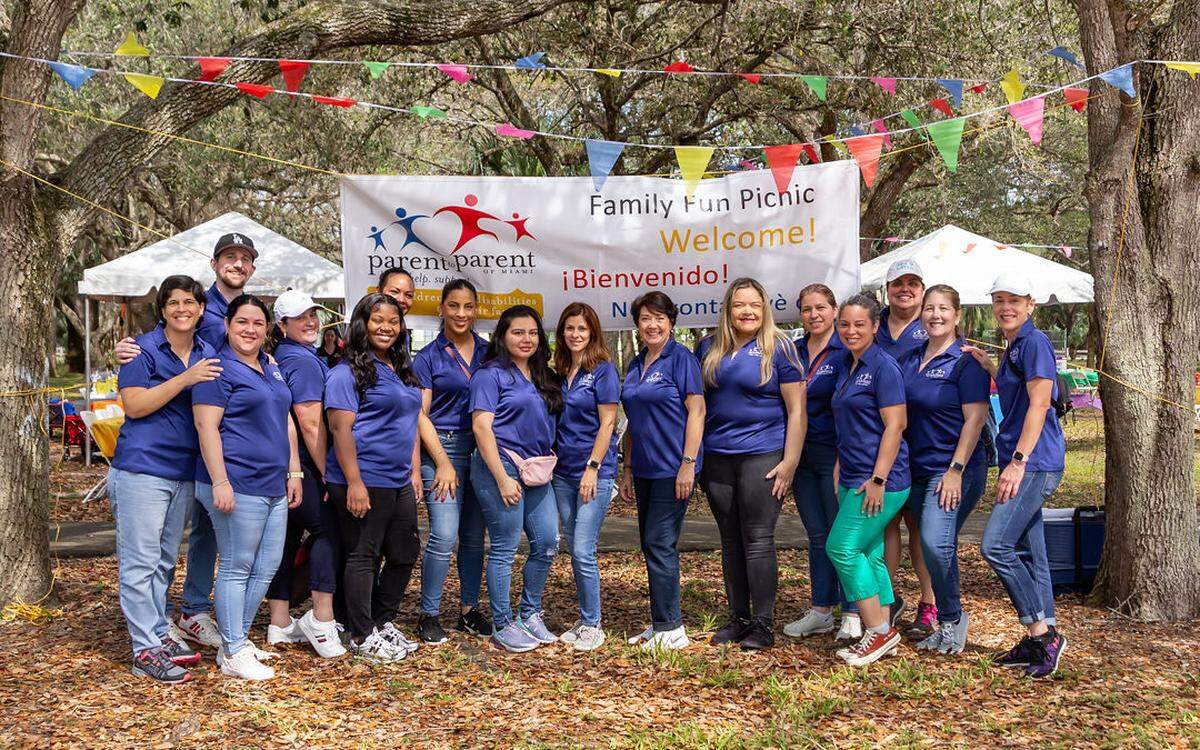
Miranda’s story is not unique. In Miami-Dade, there were 8,965 people diagnosed with developmental disabilities in 2023, according to Florida Health Charts. In Broward, that number was 5,510. Developmental disabilities include autism, cerebral palsy, Down syndrome and spina bifida, among other conditions.
Nationally, about 15 percent of public school students ages 3-21 — 7.5 million — received special education and/or related services in 2022-2023, according to the National Center for Education Statistics. Locally, Parent to Parent volunteers help more than 2,000 families of school-age children and young adults with special needs in Miami-Dade.
“We want to be a beacon of hope for parents just hearing about their child’s disability and want them to know they are not alone,” said Farides Garcia, the nonprofit’s president and CEO. “We, too, are parents on the same path and know our kids with disabilities can do great things with the right supports and services.”
Broward group advocating for decades
For those who need assistance in Broward County, the Ann Storck Center has been working with children and adults with disabilities for more than 70 years.
In 1951, pediatric nurse Ann Storck retired to South Florida to help children with developmental disabilities and opened the Pediatric Care Center four years later, serving 55 children.
The Pediatric Care Center has since evolved into the Ann Storck Center, which runs a preschool and elementary school for children with developmental disabilities, works with high schools to train students in vocational skills, teaches adults life skills and operates group homes for families who can no longer care for their loved one.
Pat Murphy, the center’s CEO, estimates more than 500 people benefit annually from Ann Storck’s programs.
“We help empower caregivers to advocate on behalf of their child, whether it’s in the school system or getting benefits,” she said.
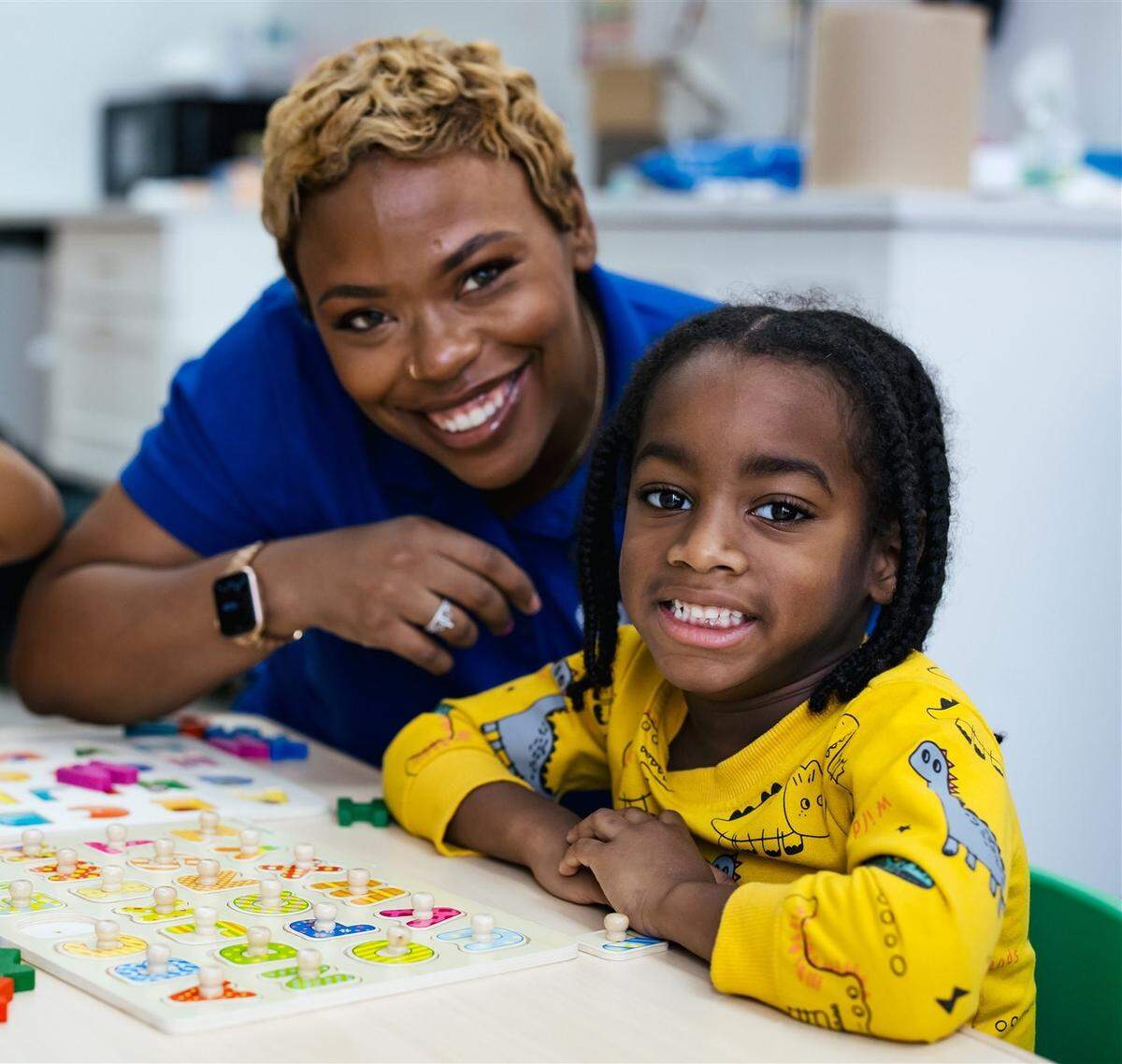
The center also has a respite program that enables parents or guardians to run errands or get a break for a few hours, leaving a child in the hands of a trained caregiver.
“We have kids in our respite program and early intervention that are weeks and months old,” she said.
For longer-term needs, the center runs 10 homes in Broward. Six of the homes house medically fragile adults, complete with nurses and therapists. The other four house people with developmental and physical disabilities and those with behavioral challenges.
“The oldest person in our home is close to 80,” Murphy said.
“Probably 80% of them don’t have family,” Murphy said of the residents in the homes. “We are their family. We are it.”
The nonprofit’s main campus is in Fort Lauderdale; its satellite campus is in Pembroke Pines.
The center runs a preschool for children needing early intervention and a K-5 private school for students of all abilities. For older students, the nonprofit works with four Broward high schools, teaching students employment skills and helping them secure summer internships.
Although the Agency for Persons with Disabilities and Medicaid fund the group homes, Murphy said, donors help support the music therapy teacher and the school. The center’s annual budget is $23 million.
“Our school is always running at a deficit, especially the early-intervention programs,” she said.
Making donations go further
The Community Foundation of Broward, founded 40 years ago, helps fund nonprofits like Ann Storck.
One of the groups it works with is Schott Communities in Cooper City, a nonprofit that helps those who are deaf or disabled live independently.
One of Schott’s programs is “Welcome to My World,” which offers people a glimpse of what life is like for a disabled person. Simulation exercises, like walking with a blindfold while using a cane, help people understand the life of someone who has lost their sight.
Schott also teaches adults with disabilities life skills and vocational training. Its Art from the Heart program, taught by professional artists, helps people express themselves, while learning about acrylic and oil painting.
The Exceptional Theater Company in Davie, where teens and adults with physical and developmental disabilities learn how to act, sing and dance to build their self-confidence, also receives funding through the foundation.
Incorporating arts and culture to benefit those living with disabilities is one of the key tenets of the Community Foundation of Broward, said Jennifer O’Flannery Anderson, the foundation’s CEO.
“It’s our commitment to people with special abilities and finding new and expansive ways to support them.”
This story was originally published January 7, 2025 at 5:00 AM.