
Salt has become exotic. But the average person uses way too much | Opinion
Recently someone working on my house, knowing I was dietitian, asked me a question about salt.
He told me he was drinking Himalayan salted water every morning. I asked why. He said he had seen online that it was good and that he didn’t add much salt to his food and thought he could have low sodium levels. I could see I had a few myths to bust here.
Salt is a source of sodium as well as chloride. Getting too little sodium through diet is rare. We need 500 mg of sodium a day, equivalent to a quarter teaspoon. The average American is eating 3300 mg of sodium a day.
The American Heart Association recommends no more than 2300 mg a day with an optimal goal of no more than 1500 mg a day for most adults.
Average Americans get most of their sodium through processed, prepackaged and restaurant foods. Home-cooked meals, even when salt is added to the recipe, only contributes about 11% of the average sodium intake.
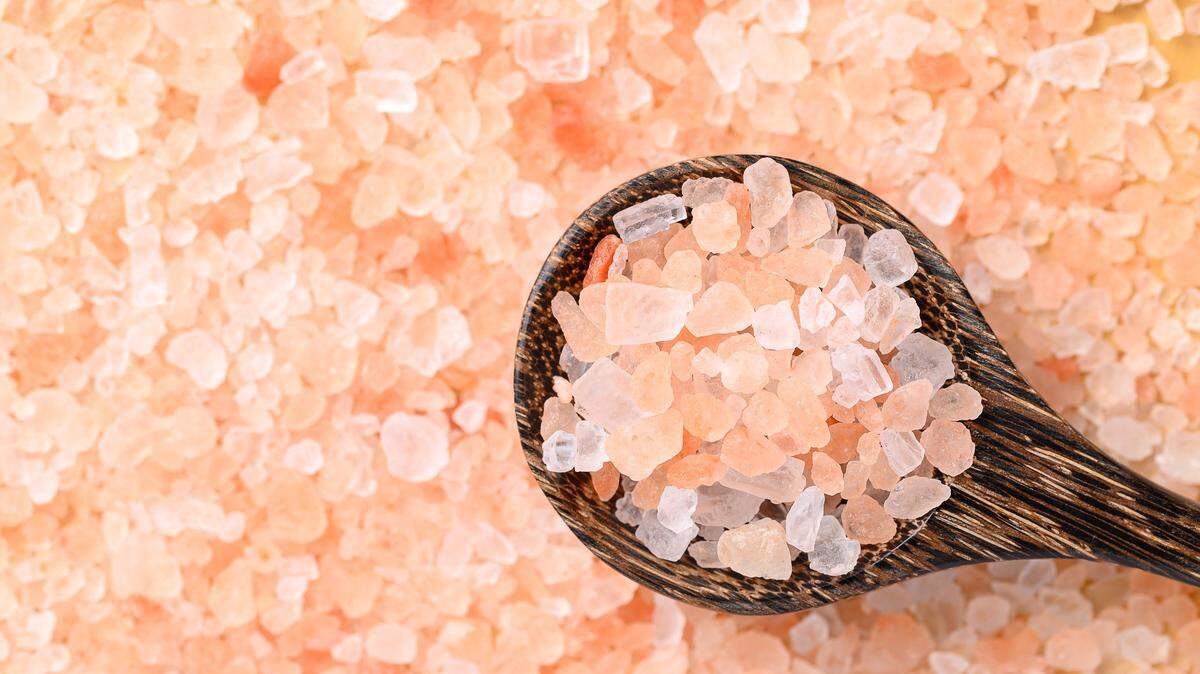
After I reassured my friend he was getting enough sodium in his daily intake we talked about pink Himalayan salt. This colorful salt has very small amounts of iron, magnesium, calcium, and potassium. The amounts are so small that adding or substituting Himalayan salt for regular salt will have no nutritional impact.
There are many types of salts with differing textures, flavors and uses in cooking. Smoked salt has a smoky flavor and works well in rubs and marinades.
Red salt from Hawaii is often used for seasoning salads, vegetables and barbecue. Maldon salt is a flaky pyramid-shaped crystal harvested off the coast of Maldon, England. It is often used as a finishing salt, meaning it’s sprinkled before serving over steaks, desserts, or even salads.
These exotic salts, with their robust and smoky flavors, can lead to using less salt while still producing a dish with impressive flavor. But to get to the healthiest sodium levels, you need more home cooking and less highly processed packaged foods.

Sheah Rarback MS, is a dietitian nutritionist in private practice in Miami, Florida; sheahr@gmail.com