So, RFK Jr. wants us to eat red meat, cheese and butter. Here are my issues | Opinion
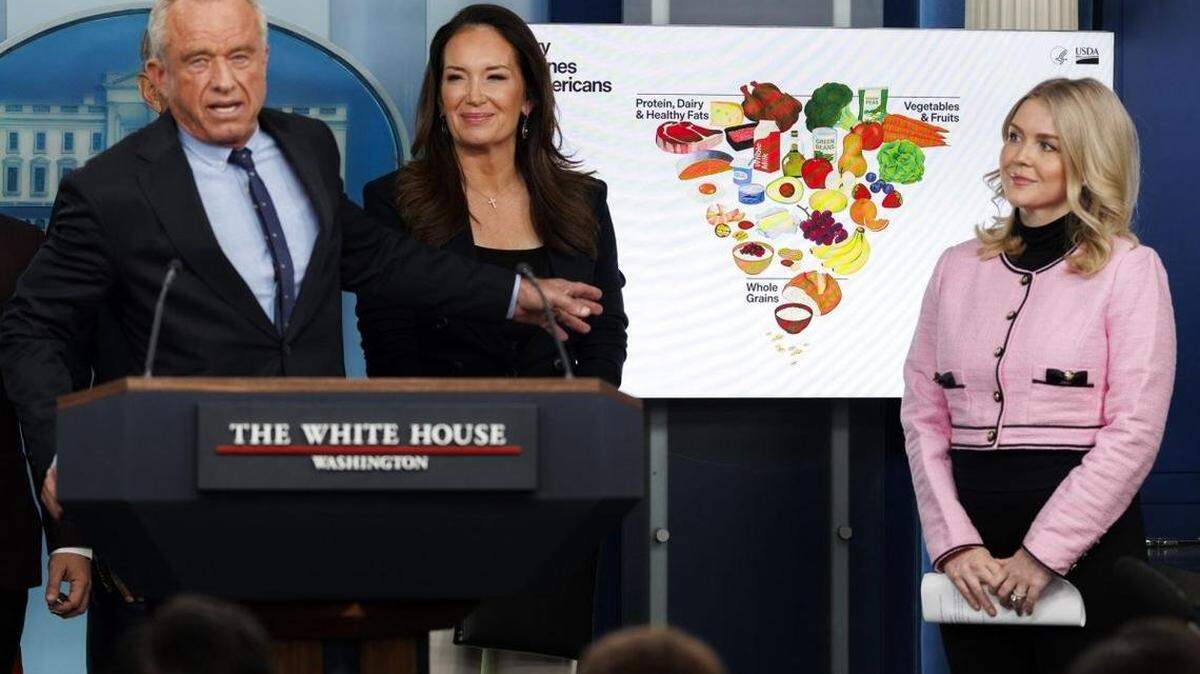
I’ve been trying to sort out my thoughts on the new dietary guidelines, unveiled last week by U.S. Department of Health and Human Services Secretary Robert F. Kennedy Jr. and Agriculture Secretary Brooke Rollins.
When I first looked at that upside-down triangle of juvenile-looking food cutouts, I thought what is the message? And if I, a trained registered dietitian can’t figure it out, what chance does an average consumer have?
Then I wondered why no one at Health and Human Services knew that the pyramid was buried in 2012 and replaced by the easy to understand My Plate. Then I saw that “South Park” had done an episode in 2014 on an upside-down pyramid. The show has intriguing satire, but I wouldn’t go to them for advice on diet.
Along with the upside-down triangle came some comments that I found personally annoying. The federal government said we’re now telling people to eat real food. Well, excuse me, but every health organization and dietitian has been telling people to eat real food for the past 40 years.
And they said we’re ending the war on protein. I keep up with relevant nutrition literature and not once did I ever read about a war on protein. That’s about as real as the war on Christmas.
They recommend 10% of calories from saturated fat and put a hunk of marbled meat and butter at the top of the triangle. If I ate a 4-ounce rib-eye steak and one glass of whole milk, I would have 70% of my daily saturated fat.
That means the rest of the day is fruits, vegetables, and some nuts. That isn’t the way people eat. And in this push for protein, I would like to see more emphasis on plant protein.
There were a few elements that I liked. But they weren’t news. They had been said in previous guidelines.
The new guidelines encourage fruit and vegetable intake. They say that frozen and canned versions are fine. In the text of the guidelines, they suggest limiting or, if possible, eliminating added sugar, limiting artificial dyes, and as much as possible eating less-processed foods. All solid recommendations.
I like Michael Pollen’s advice: Eat food, mostly plants and not too much.
Sheah Rarback MS is a dietitian nutritionist in private practice in Miami.