Why you may need hip replacement after a fall — even if you don’t think you do
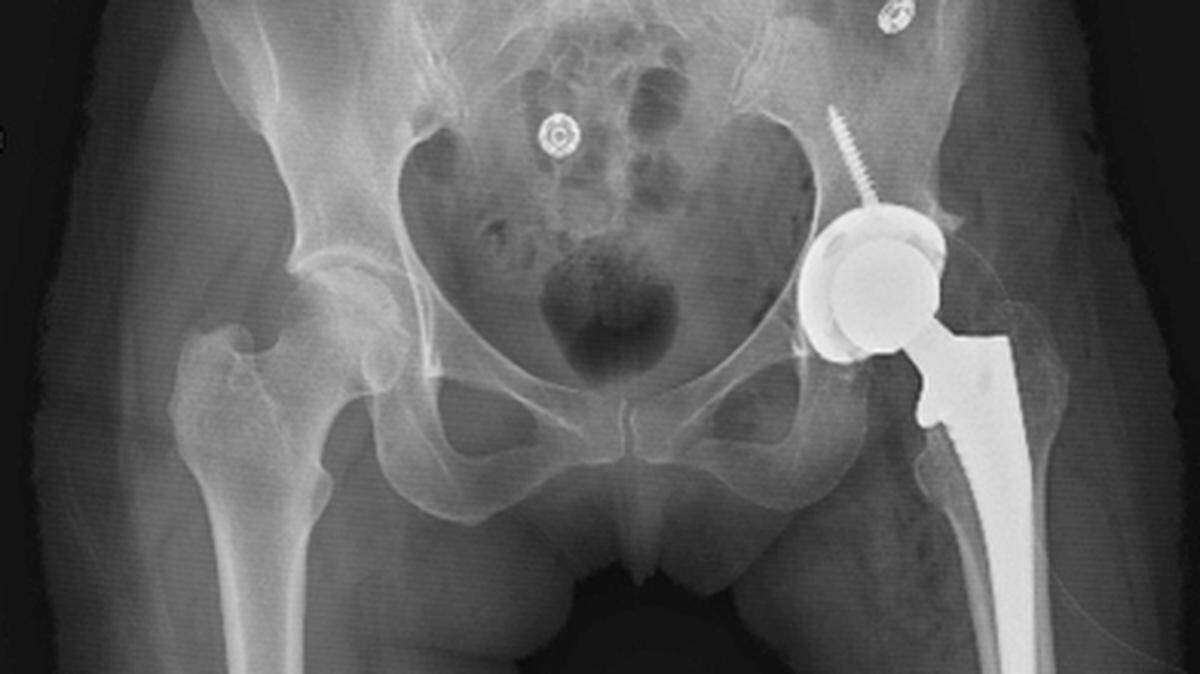
Q. Last week, my 81-year-old mother fell breaking her right hip. The orthopedic surgeon she saw at the emergency room recommended surgery. She had a hip replacement done for her fracture, although she had never had arthritis problems with her hip. So far, she is recovering well in a rehab hospital and beginning to walk with a walker. We were wondering why the fracture wasn’t fixed and why a hip replacement was necessary?
A: When treating patients with a fractured hip, there are several considerations that must be addressed in making the right decision as to definitive treatment of the injury. When treating older patients with displaced hip fractures, surgery is usually necessary as non-surgical treatments result in deformity, pain, difficulty walking and frequent bedsores.
When making the choice for the correct surgical procedure, the general medical condition of the patient, age of the patient, and the degree of arthritis already present in the hip joint must be considered.
Most important, the location and orientation of the fracture helps to direct the right surgical treatment choice. Trochanter fractures located at the base of the hip are usually fixed with a rod and screws. Fractures closer to the ball of the hip usually are best treated with a type of hip replacement.
The key to successful outcomes is early post-op rehab, which helps with ambulating, breathing and skin care.

Dr. Harlan Selesnick is team physician of the Miami Heat and Inter Miami. Send your questions to HarlanS@baptisthealth.net
This story was originally published January 8, 2026 at 5:30 AM.