
Eating salmon, tuna and other omega-3 rich foods can cut risk of this eye disease
I wasn’t born wearing glasses, but if there were any way to check an infant’s eyesight, I’m sure a pair would’ve been put on me.
I was that little girl in black patent leather shoes and coke bottle glasses. This is why I gravitate toward any research that reports on ways to reduce the risk of nearsightedness.
A recent article in the British Journal of Ophthalmology examined the role of omega-3 fatty acids on the development of myopia, more commonly referred to as nearsightedness. It is estimated that by the year 2050, half of the world population will have myopia. And the amount of screen time children are now getting is not helping.
People with severe myopia have a higher risk of sight-threatening complications that can lead to even poorer vision. I have severe myopia and developed a detached retina, which if not treated immediately, can cause blindness.
Risk factors for developing myopia include genetic and environmental factors. Diet is one of the environmental factors that is being studied and can be modified.
A total of 1,006 Chinese children, ages 6-8 and living in Hong Kong, were included in the study. Their diets were assessed using a validated food frequency measure; myopia was assessed by measurement of axial length in the eye. What the researchers found was that a lower intake of omega-3 fatty acids was associated with more myopia and a longer axial length. The longer the eye’s axial length, the greater increase of myopia.
So now we can add vision to the long list of benefits that come from including more omega-3 fatty acids in the diet. Improved heart health, protection against depression and anxiety, reduced inflammation and joint pain and enhanced skin and hair health are just a few of the ways omega-3 fatty acids improve lives.
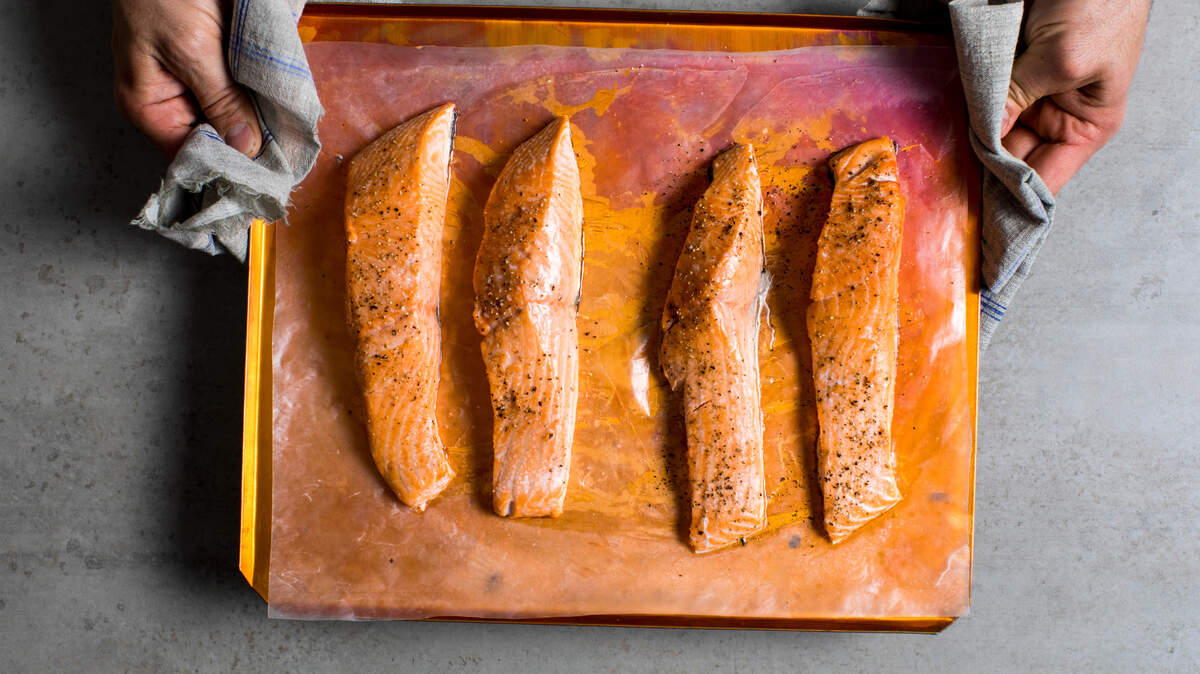
Sources of this precious fat include fatty fish, such as salmon, tuna and sardines. Vegetarian sources are flaxseed, Chia seeds, walnuts and algae oil. This is one study and more are needed, but I see no downside from adding more omega-3 fatty acids to everybody’s food intake.

Sheah Rarback MS is a Dietitian nutritionist in private practice in Miami.