In low-carb world, don’t forget whole grains. They can boost your heart health
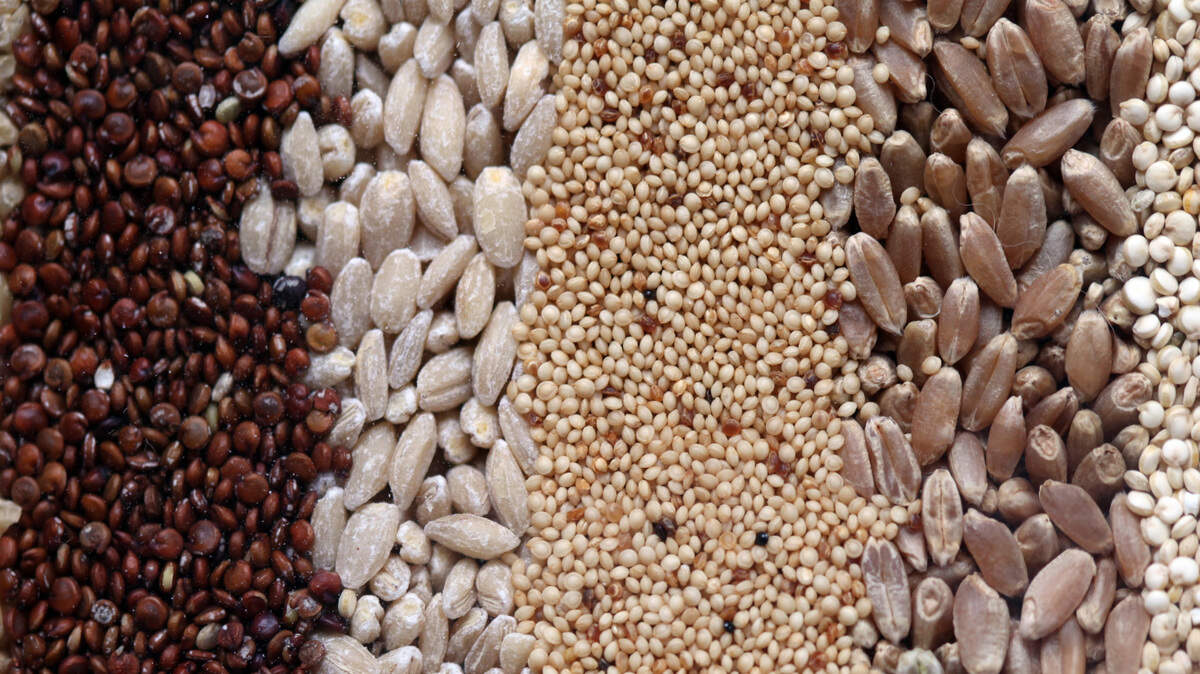
There are no national holidays during September but there is something to celebrate. September is National Whole Grains Month. Every food has a month, but in this low-carb world we live in it’s a good time to review the benefits of eating whole grains. A grain is the small hard edible seed of a grass-like plant such as wheat, rice, or corn. All grains have three parts. The outer shell is the bran that contains antioxidants, B vitamins and fiber. Inside the bran is the endosperm and the germ. A whole grain contains all three parts of the seed.
Refined grains, which you find in white bread and white rice, are missing the bran and some refined products are missing the endosperm. The more natural parts you strip from food, the more nutrients you lose. Thus, the emphasis on whole grains.
This definition of a grain explains why corn and also popcorn are whole grains. A 1-ounce serving of popped popcorn is the equivalent of a serving of whole grain. Sprouted grains are a whole grain that has begun to grow. The sprouting process makes the grain’s nutrients easier to digest. Not for people with celiac disease, but some folks with gluten sensitivity are able to enjoy sprouted whole wheat breads. Whole grains have a unique contribution to our overall nutrient intake. A few of the health benefits are:
- Healthier digestion due to a higher fiber intake
- Reduced inflammation
- A well-fed gut microbiome
- Lower LDL “bad”’ cholesterol
- Reduce risk of stroke and heart disease
There are countless tasty ways to add whole grains into your recipes. Add brown rice or cooked barley to soup, even low-sodium canned soups. Add 3/4 of a cup of uncooked oats for each pound of ground beef for turkey when you make meatballs, burgers or meatloaf.
For more tips and everything you could ever want to know about whole grains, including recipes, check out https://wholegrainscouncil.org
Sheah Rarback MS is a Dietitian nutritionist in private practice in Miami.