
Research shows microplastics are widespread. Here’s how to reduce your exposure
Have you noticed that once a thought or idea enters your consciousness you start seeing it everywhere.
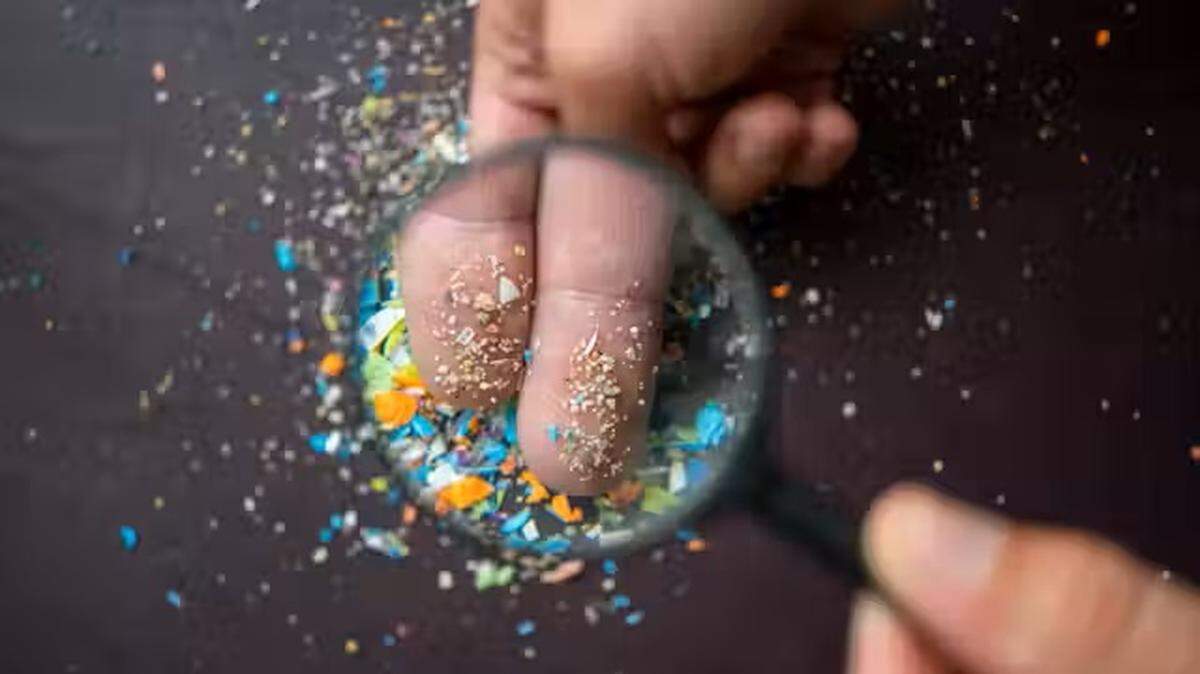
For me this past week it is microplastics and it is disturbing. Microplastics are plastic particles less than 5 millimeters. A pencil eraser is about 5 millimeters. Micro and nanoplastics are being investigated for their impact on our health and the health of our oceans and marine life and the findings are troubling. Microplastics can come from a variety of sources including larger plastic pieces that have broken apart, resin pellets used for plastic manufacturing, or in the form of microbeads, which are small, manufactured plastic beads used in health and beauty products.
Research has shown that microplastics can absorb and accumulate toxic chemicals, including persistent organic pollutants (POPs) and heavy metals, from the environment. When ingested or inhaled, these microplastics can release these chemicals into the body, potentially leading to adverse health effects.
A February 2025 research article from Nature Medicine did not make me feel any better on this topic. These researches obtained and analyzed tissue from cadavers from 2016 and 2024. Brain tissue contained more micro and nanoplastics than kidney and liver. Of most influence was time of death. There were increasing amounts of micro and nanoplastics in the tissue from 2024 when compared to 2016. Our exposure appears to be increasing. An even greater amount of microplastics was observed in brain tissue of decedents with documented dementia diagnosis. This results show an association not cause and effect. That said it still seems wise to try to reduce our individual exposure.
So what can we do to help ourselves and our planet? Reduce your use of plastics.
Here are a few tips.
- Minimize use of single use plastic containers. Use glass or metal drink containers, bring cloth bags to the market and don’t take the plastic cutlery with takeout.
- Store food at home in glass containers to minimize plastic leaching into food. Don’t heat food in plastic.
- Consider a good water filter to remove microplastics from tap water.
Sheah Rarback MS,RD is a registered dietitian nutritionist in private practice in Miami. sheahr@gmail.com