
These two skincare ingredients are getting lots of attention. But are they worth it?
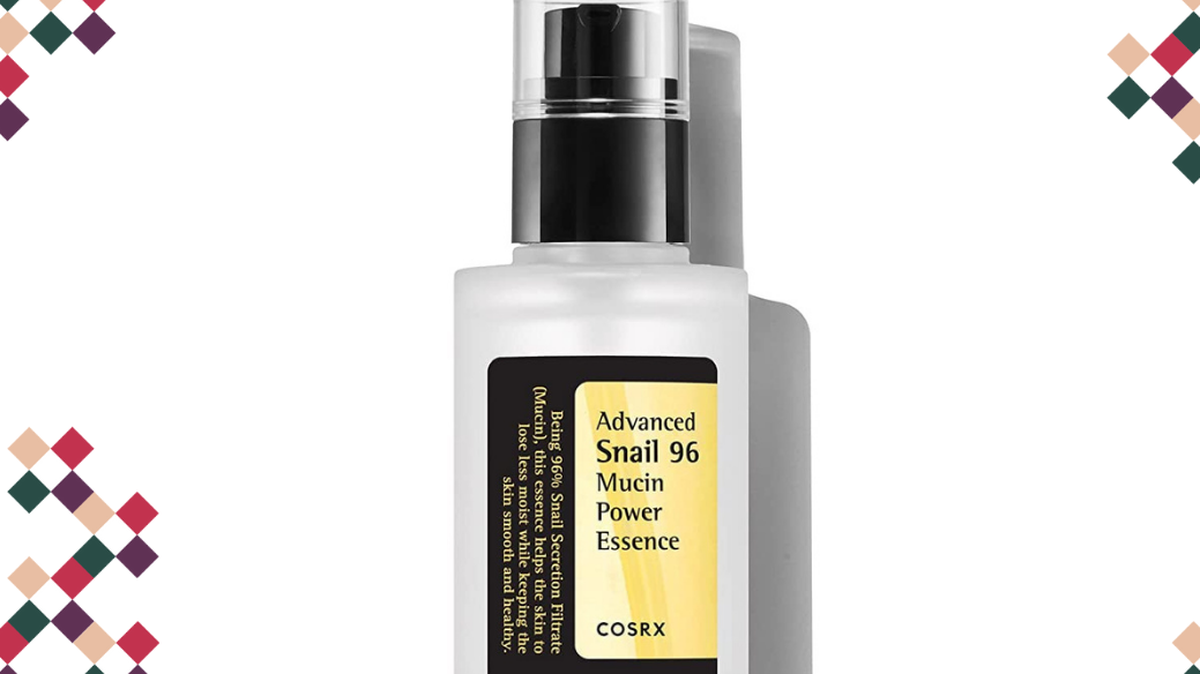
Could snail slime and salmon sperm be the next big things in skincare?
As trendy and nonsensical as they may sound, these two ingredients do have some science to back up the claim they’re effective ingredients in skincare products.
Snail mucin in skincare
Also known as snail slime or snail secretion filtrate, snail mucin has been a staple in South Korean beauty trends for years and has recently become popular in the US as a powerful anti-aging ingredient. This so-called slime that snails naturally secrete to hydrate and protect their own skin contains hyaluronic acid, antioxidants, glycoproteins and antimicrobial peptides that impart those same benefits onto human skin.
Just some of the biggest benefits include:
▪ Improved hydration and moisture retention
▪ Enhanced wound healing and skin regeneration processes
▪ Fewer lines and wrinkles
▪ Improved hyperpigmentation, stretch marks and scarring
▪ Reduced inflammation and redness
Snail mucin can be found in a variety of skin serums and creams and, if used in the proper concentration, can be a powerful humectant ingredient with anti-aging benefits. However, products containing snail mucin can be expensive, and there are much cheaper humectant options that can hydrate and protect your skin.
Salmon sperm DNA in skincare
Perhaps even more unusual than snail slime is salmon sperm. This ingredient contains an intriguing component called polydeoxyribonucleotide (PDRN), making it the subject of several recent skincare studies. PDRN is a type of peptide made up of DNA fragments and is believed to benefit the skin in two ways:
▪ Activating receptors involved in collagen production, blood vessel and capillary growth and the inhibition of inflammatory cytokines.
▪ Enhancing “salvage pathways,” which allow cells to recycle components of broken DNA and RNA, rather than turning them into waste products.
Some studies outside of the United States have examined the potential benefits of using salmon sperm extract in injectable fillers for anti-aging, though there is no research for this in the US.
However, salmon sperm DNA can be found in several topical creams and serums. Look for “dipeptide diaminobutyroyl benzylamide diacetate” on the label to find this ingredient in skincare products.
Bottom line: Are they worth it?
Both snail mucin and salmon sperm DNA have small bodies of scientific evidence behind their use in skincare. However, larger studies are needed to further evaluate them in topical and injectable products.
For more skincare news and advice, follow @SkinTypeSolutions on social media, or browse the Skin Type Solutions library.