
The mineral found in these foods can do a lot for your brain and body
I’m getting over my Ted Lasso withdrawal.
I enjoyed all the characters but particularly Rebecca. I agreed with everything she said except the scene where she followed Zaza into the bathroom to yell at him for not joining the team.
Her final words to him, as he stood at the urinal relieving himself, was to not eat so many asparagus. Obviously, she got a whiff of his urine. That unpleasant smell after eating asparagus is from a sulfur breakdown byproduct.
Sulfur is the third most abundant mineral in the body after calcium and phosphorus. Every mineral is important for health and sulfur is no exception. Sulfur can help with the synthesis of antioxidants, which help prevent disease and boost brain health; protect against cell damage; support your body’s immune system; reduce inflammation; and build and repair DNA.
When I was much younger, I used a sulfur-containing lotion on my face to reduce acne. I hope there is something better out there now. The smell was terrible and the bright yellow color looked even worse.
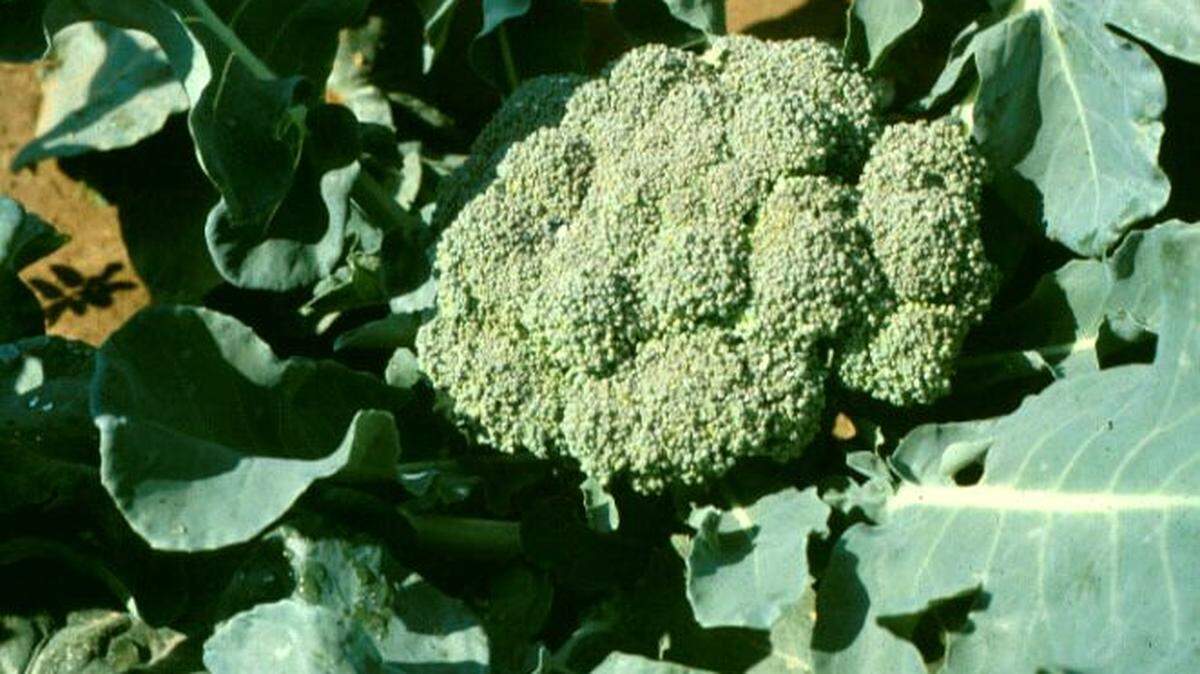
That said, there are many foods that contain sulfur. And most don’t cause a smell. The vegetables highest in sulfur are asparagus, broccoli, cauliflower, Brussels sprouts, red cabbage, leeks, onion, and garlic.
Eggs are high in sulfur, as are dairy products, chicken, crab and lobster. Almonds, Brazil nuts, sesame and sunflower seeds will augment your sulfur intake when added to salads, sandwiches and snacks. Rounding out this list of sulfur-rich foods are chickpeas, fava beans, kidney beans, lentils and peas.
One of the sulfur-rich compounds in the cruciferous vegetables (broccoli, cauliflower, cabbage, Brussels sprouts) mentioned above is sulforaphane. Emerging research is beginning to demonstrate that sulforaphane-rich foods may be protective against amyloid beta- induced damage that contributes to diseases like Alzheimer’s. For the most sulforaphane, reach for broccoli sprouts — they have 10 times what is found in broccoli.

Sheah Rarback MS, RDN is a registered dietitian nutritionist in private practice in Miami. srarback@hotmail.com