
Why too much added sugar in food and drinks can hurt your heart, diabetes, blood pressure
I’ll never forget a video I saw as a nutrition student. Infants were given a taste of tart, bitter and sweet water on their tongues. Their little faces puckered up in disgust with the tart and bitter. But when that sweet water touched their lips, they looked like they had entered Nirvana.
A preference for sweets is probably evolutionary. Sweet foods provided energy for our ancestors and it was a sign that the plant was not poisonous. The significant difference is our prehistoric ancestors were not hunting sweetened beverages and sugary cookies. They were gathering fruits and roots with naturally occurring sugar.
A recent article in The British Medical Journal reports findings from an umbrella review. An umbrella review is a high-level summary of research on a particular topic. The review looked at results from 8,601 research articles.
The overall conclusion is that high dietary intake of sugar is associated with a large number of negative health outcomes. These include, but are not limited to, cardiovascular disease, gout, obesity, high blood pressure and diabetes. These 8,601 studies do not have the strongest evidence but there are a lot of them to make this point.
The recommendation is to have no more than 25 grams of added sugar a day. A teaspoon of sugar is 4 grams. Foods without a label such as fruit, vegetables, poultry, fish and meat do not have added sugar.
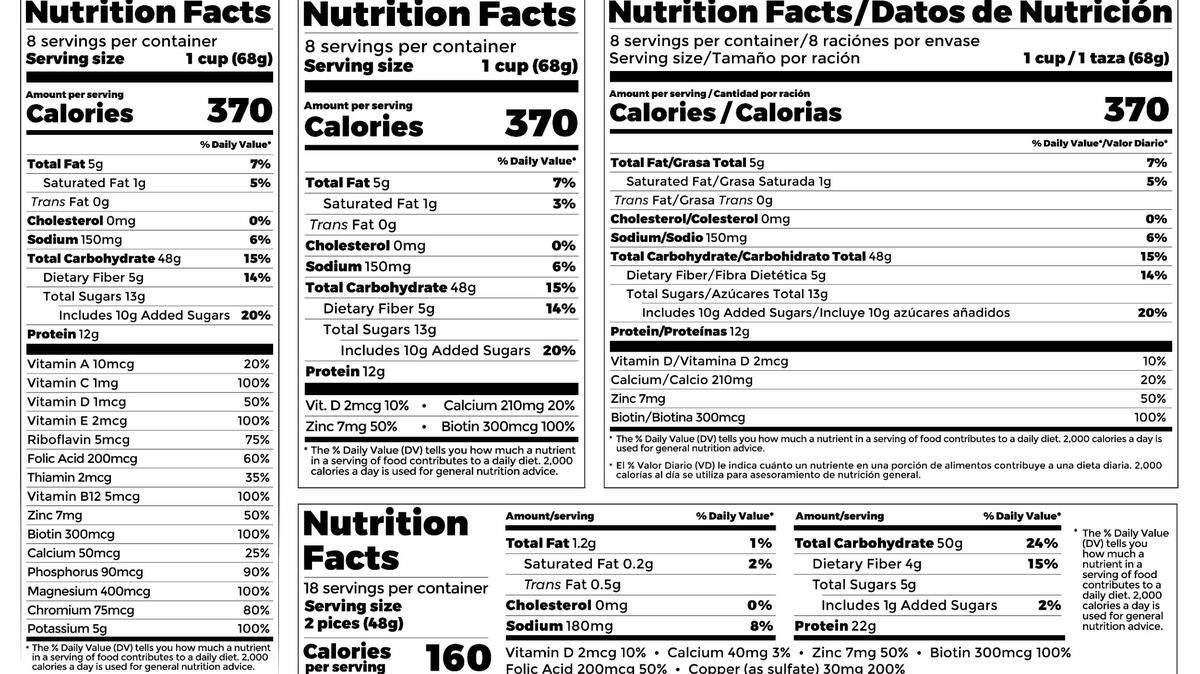
Food labels on jars, cans, boxes and other food packages state added sugar just below total sugar. A 7.5 ounce can of Coke, the mini-size can, contains 25 grams of added sugar, while a 12-ounce can has 39 grams, according to the Coca-Cola Co.
I suggest using this as a guide, not a hard rule. Some days will be less than 25, and some will go over.
Most importantly: Read the food labels to compare products.

Sheah Rarback MS, RDN is a registered dietitian nutritionist in private practice in Miami, FL. srarback@hotmail.com