
One can be cancerous, the other isn’t. Know the difference between these two skin issues
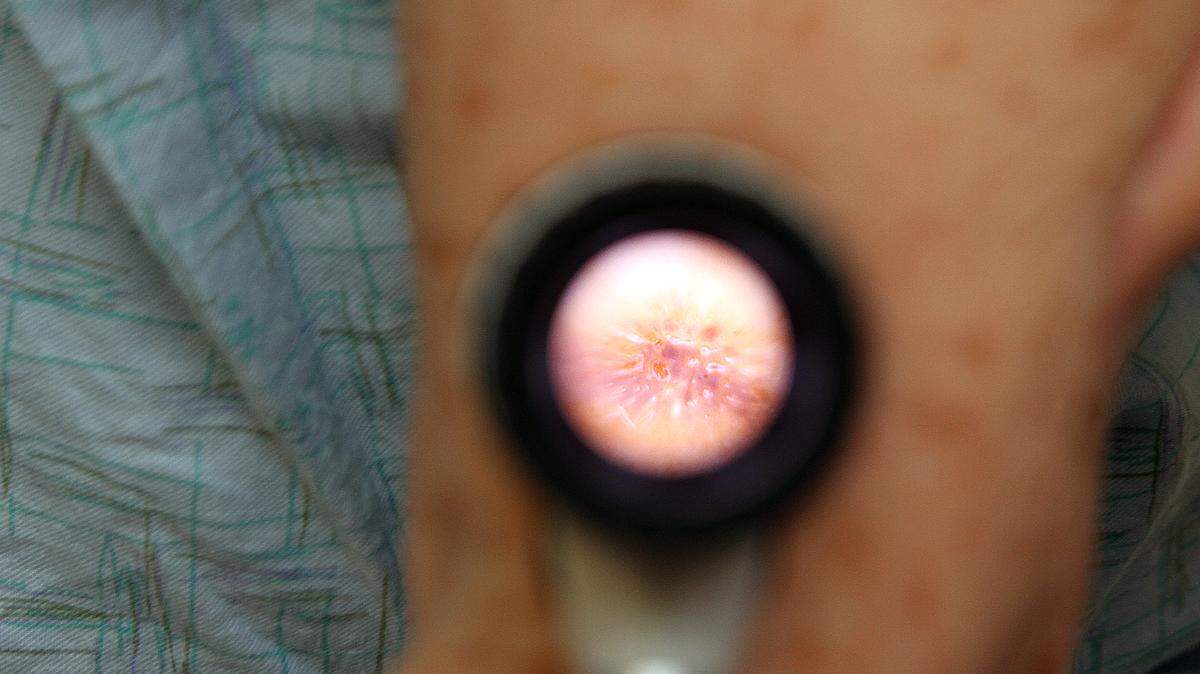
The terms “mole” and “freckle” are commonly used, often interchangeably, to describe dark or discolored spots on the skin. However, moles and freckles describe two distinct types of dyspigmentation — and only one can be potentially harmful.
Additionally, it is important to note that neither “mole” nor “freckle” is a medical term. Therefore, there is no single medical definition for either.
What are moles?
Though a non-medical term, “mole” “generally refers to growths on the skin that arise due to clustering of melanocytes, the cells in the skin that produce pigment, says board-certified dermatologist Dr. Chloe Goldman of Baumann Cosmetic & Research Institute in Miami. “They can be flat or palpable, and firm or fleshy in texture, and can be present at birth or at a young age or can be acquired over time.”
The most important distinction between moles and freckles is that moles can sometimes look like melanoma or other skin cancers. “Dermatologists assess features of moles to determine if they are benign or if they have features that are more consistent with a malignant lesion, which would then necessitate a biopsy of the lesion,” says Goldman.
What are freckles?
Unlike moles, freckles are purely a cosmetic concern and do not have any malignant potential.
“Freckles, or ephelides, are light brown, flat, non-palpable lesions on sun exposed skin,” explains Goldman. “They often darken with sun exposure and fade without sun exposure. Unlike moles, these lesions do not occur due to a clustering of melanocytes (the pigment-producing cells), but rather the melanocytes in these spots have more melanin content within them.”
Freckles are also associated with the same genetic variation that causes red hair, which is why redheads typically have freckles.
When to see a dermatologist?
Any time you notice a suspicious-looking spot on your skin, or notice that an existing mole has changed in size, color or appearance, get it checked by a dermatologist. A good rule of thumb is to check for the ABCDEs of melanoma:
▪ Asymmetry
▪ Irregular borders
▪ Non-uniform colors
▪ Diameter larger than a pencil eraser
▪ Evolution, or change in any of above characteristics
For more skincare news and advice, follow Baumann Cosmetic on YouTube or @BaumannCosmetic on Instagram or Facebook.