Updates on monkeypox: Where to get vaccines, how it spreads, ways to reduce risk
Miami-Dade and Broward counties have become the epicenter of the monkeypox outbreak in Florida, with more than 700 confirmed and probable cases.
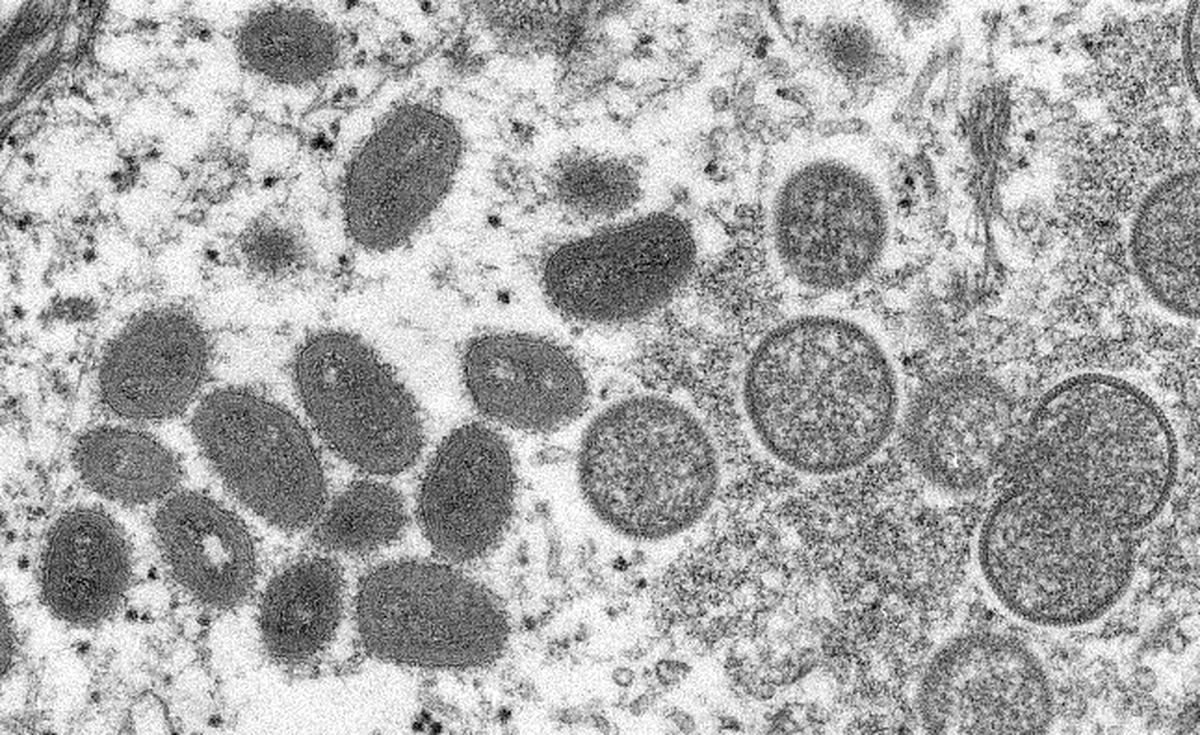
Monkeypox is similar to smallpox, though milder and less fatal. Many of the cases in this current outbreak involve men who have sex with men, but anyone can get the disease. And while two vaccines exist, supply is stretched.
But what exactly is monkeypox? How does it spread? Where can you get vaccines and tests in South Florida? And with so much information coming at us, how can you tell fact from fiction?
Here’s a Miami Herald guide to help:
Monkeypox cases in Florida and the United States
Florida has recorded more than 900 confirmed cases of monkeypox since the U.S. outbreak began in May, according to the U.S. Centers for Disease Control and Prevention. In the U.S., there are more than 9,000 confirmed cases.
Here’s a state-by-state breakdown. Keep in mind that the map, which uses CDC data, automatically updates and may have a lag.
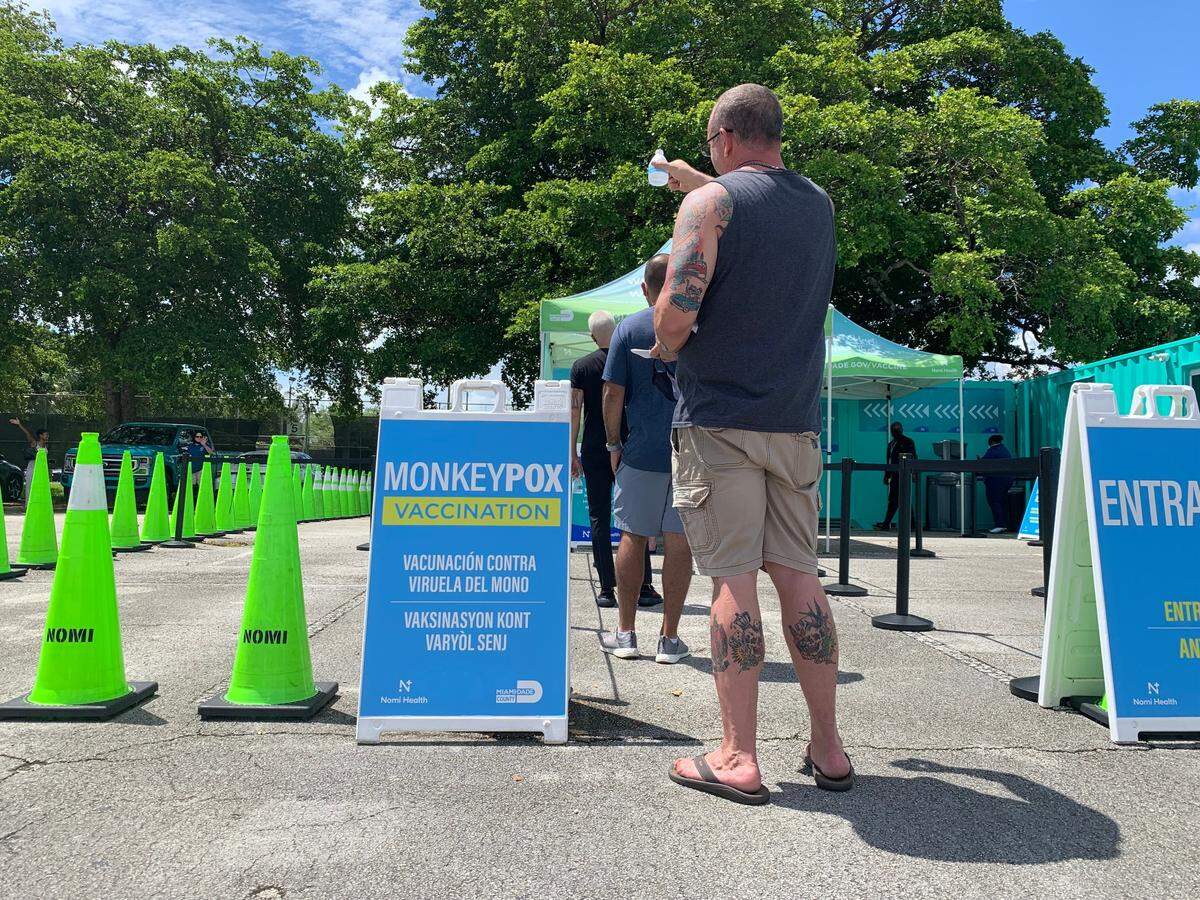
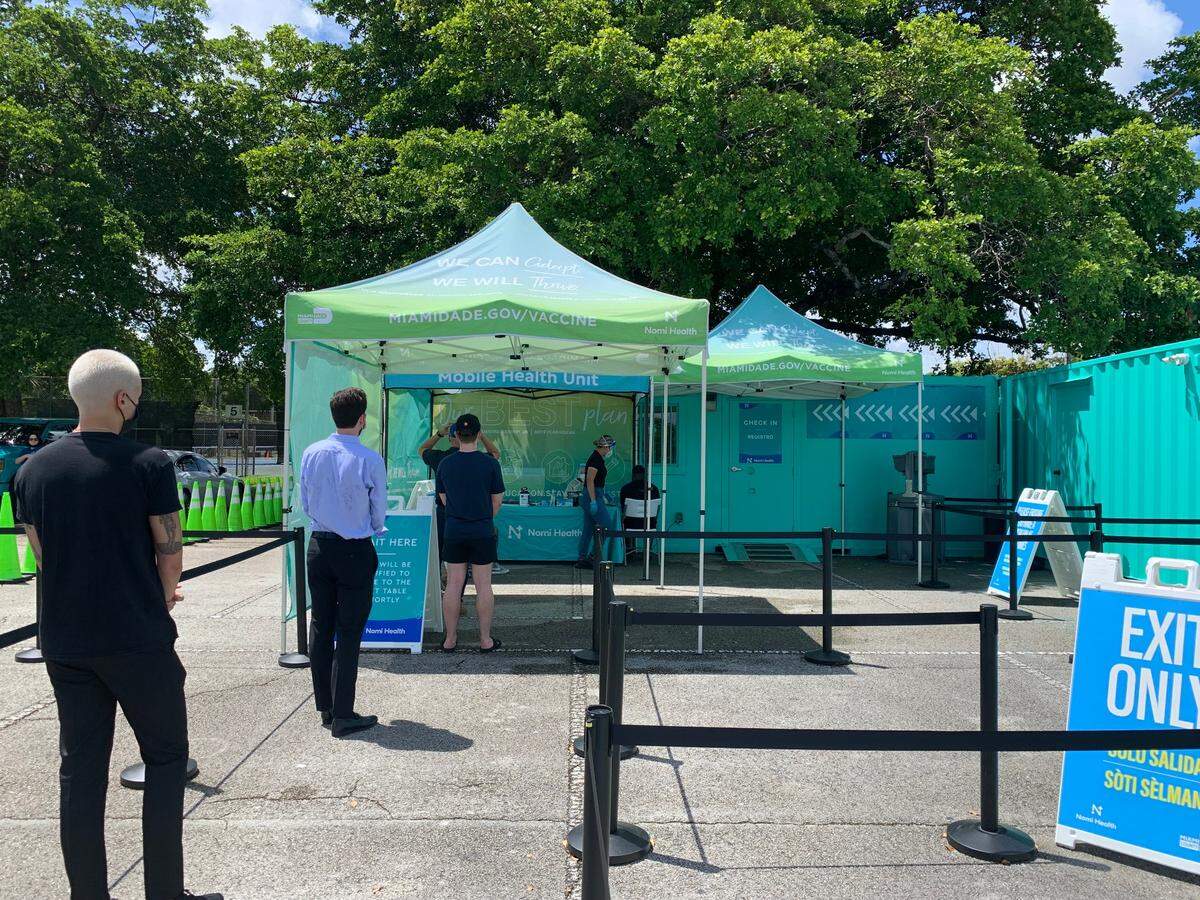
Who can get a monkeypox vaccine? Where can you get a dose in South Florida?
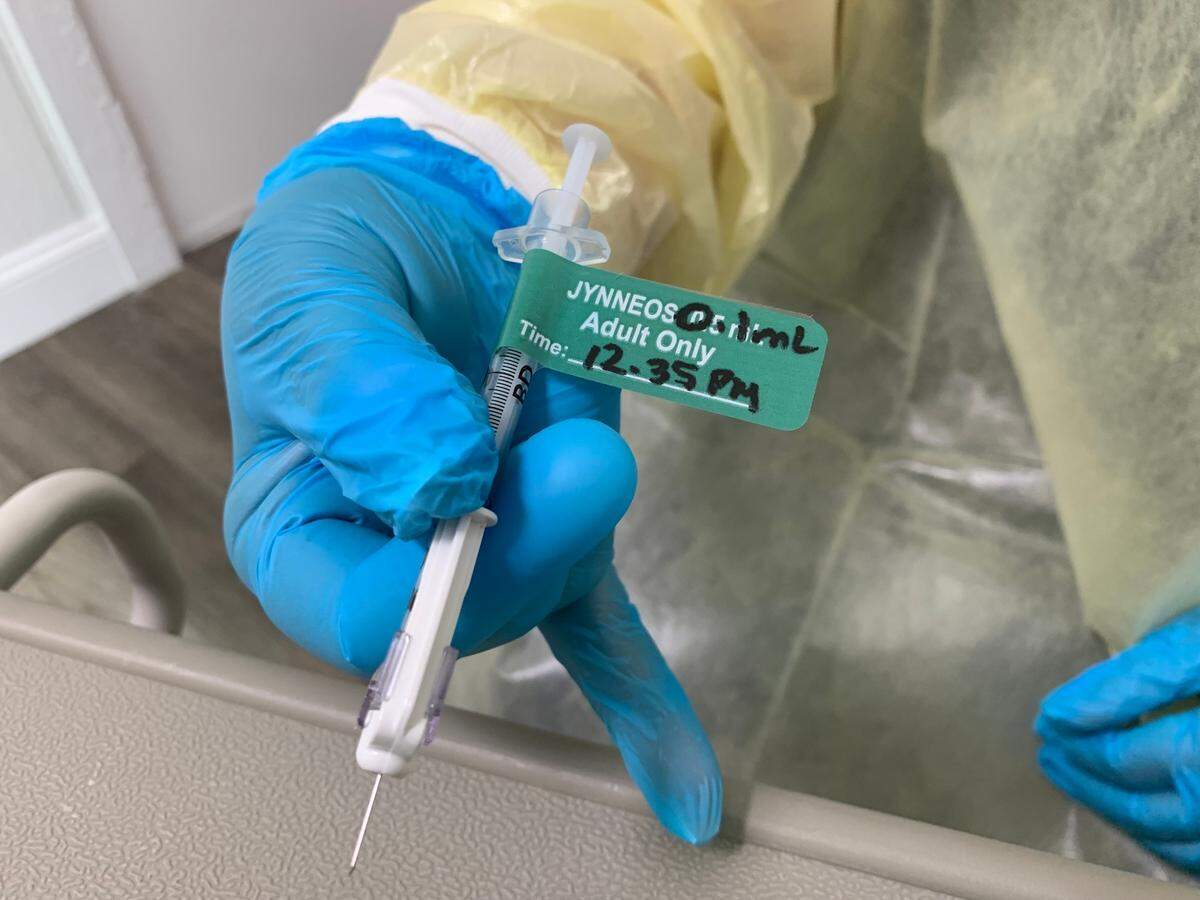
The U.S. is struggling to meet demand for Jynneos, a two-dose vaccine that was designed to prevent monkeypox. U.S. officials say smallpox vaccine ACAM2000 can also be used to help prevent monkeypox, but has more side effects and cannot be given to people who are immunocompromised or have certain health conditions.
To try and meet demand for the preferred Jynneos monkeypox vaccines, the U.S. Food & Drug Administration has granted an emergency use authorization for Jynneos to be injected just under the skin rather than into deeper tissue for people 18 and older who are considered to be high risk for the disease. This injection process requires less dosage, which in turn, will let providers vaccinate more people, while still providing protection, health officials said at a White House briefing.
Younger people can also get the vaccine if they are deemed high risk, though they should receive the traditional injection, which usually boosts the immune system better, according to The Associated Press.
READ NEXT: Monkeypox has been declared a global emergency. Should you get a vaccine? And which one?
In South Florida, limited Jynneos vaccination appointments are now available in Miami-Dade County for people who are considered to be high risk for the disease. To be fully vaccinated, you’ll need to get two doses, 28 days apart.
People considered to be high risk include:
▪ Laboratory personnel and selected healthcare personnel at high-risk for infection.
▪ People who have had a close contact with someone who has monkeypox.
▪ Immunocompromised men who have sex with other men with HIV.
▪ Other men, who also have sex with other men, and have a recent history of sexually transmissible diseases.
Appointments can be made at miamidade.gov/monkeypox or calling 833-875-0900. Vaccine sites are in Miami Beach, 224 23rd St., and at Tropical Park, 7900 SW 40th St., and at Zoo Miami, 12400 SW 152nd St. in Kendall.
Broward’s health department has been partnering with organizations such as The Pride Center at Equality Park and Latinos Salud to help distribute its limited vaccine supply. Check for an appointment online.
READ MORE: Here’s where you can get a vaccine or test for meningitis or monkeypox
How does monkeypox spread? What are the symptoms
Monkeypox can spread through intimate contact, such as kissing and sex, by contact with the rash, body fluids, respiratory secretions or by touching contaminated objects, such as clothing and bedding.
Symptoms include fever, painful pimple-like rashes and swollen lymph nodes. People diagnosed with monkeypox should isolate at home until all symptoms are gone. This includes waiting for the rashes turned scabs to fall and for new skin to form. The CDC says all of this can take between two to four weeks.
People diagnosed with the disease can get a lesion on or near their genitals or butt, as well as other areas of their body like hands, feet, chest, face or mouth. If you think you might have monkeypox, contact your doctor. Some providers may also be offering testing.
READ MORE: As monkeypox spreads in South Florida, experts have advice on prevention, risk, vaccines
Monkeypox myths: Fact vs. Fiction
Monkeypox has been around for six decades but never has been considered a sexually transmitted disease, according to Dr. John Esin, medical director for the department of emergency medicine at Jackson Memorial Hospital in Miami.
READ MORE: If monkeypox spread through sexual contact, is it an STD?
Are only gay men affected? While 99% percent of cases so far outside of the endemic area are in men, Esin previously told the Miami Herald, and all but 1% of cases are in men who have sex with men, the virus can impact anyone, including children, who have become the focus of monkeypox misinformation. And they can contract the virus by using basic items like towels or bed sheets that have had contact with positive patients.
Tips to reduce your risk of getting monkeypox
The CDC offers the following tips on how to avoid catching monkeypox.
▪ Avoid close, skin-to-skin contact with people who have a rash that looks like monkeypox.
▪ Don’t touch the rash or scabs of a person with monkeypox.
▪ Don’t kiss, hug, cuddle or have sex with someone with monkeypox.
▪ Don’t share eating utensils or cups with a person with monkeypox.
▪ Don’t handle or touch the bedding, towels or clothing of a person with monkeypox. If you have to handle these items in your field of work, such as people in the healthcare or hotel industry, minimize skin exposure by wearing gloves and try to avoid pressing bedding linens up against bare skin.
▪ Wash your hands often with soap and water or use an alcohol-based hand sanitizer. (This advice applies to COVID-19 prevention, too.)
▪ If traveling to Central and West Africa, avoid contact with animals that can spread monkeypox virus, usually rodents and primates. Also, avoid sick or dead animals, as well as bedding or other materials they have touched, the CDC suggests.
Miami Herald staff writer Grethel Aguila contributed to this report.
This story was originally published August 10, 2022 at 1:29 PM.