
COVID can impact the heart, but unhealthy habits picked up amid pandemic are bigger issue
Questions about how COVID-19 affects the heart have swirled around since the beginning of the pandemic.
Over the past two years, as studies have been completed, doctors and researchers have learned much more about heart health and COVID, including the risk of developing myocarditis and what impact isolation has on heart health.
Here are some key takeaways:
Heart health after COVID
Early in the pandemic, there was a lot of concern about heart issues after recovering from COVID. The good news is that recent studies have shown a very small risk.
“We were very concerned early on in the pandemic about myocarditis, which is an inflammation of the heart muscle,” said Dr. Juan Carlos Brenes, a Memorial Healthcare System cardiologist. “One of the most commonly cited studies early in the pandemic talked about the possibility of myocarditis in up to around 70 percent of people recovered from COVID, up to even two and a half months after recovering from COVID-19.”

Fast-forward two years later, after increased study, Brenes said, and now doctors have learned that it’s not that common. “In fact, studies of professional athletes who have recovered from COVID-19 show that only about .6 or .7 percent had clinically significant myocarditis,” he said.
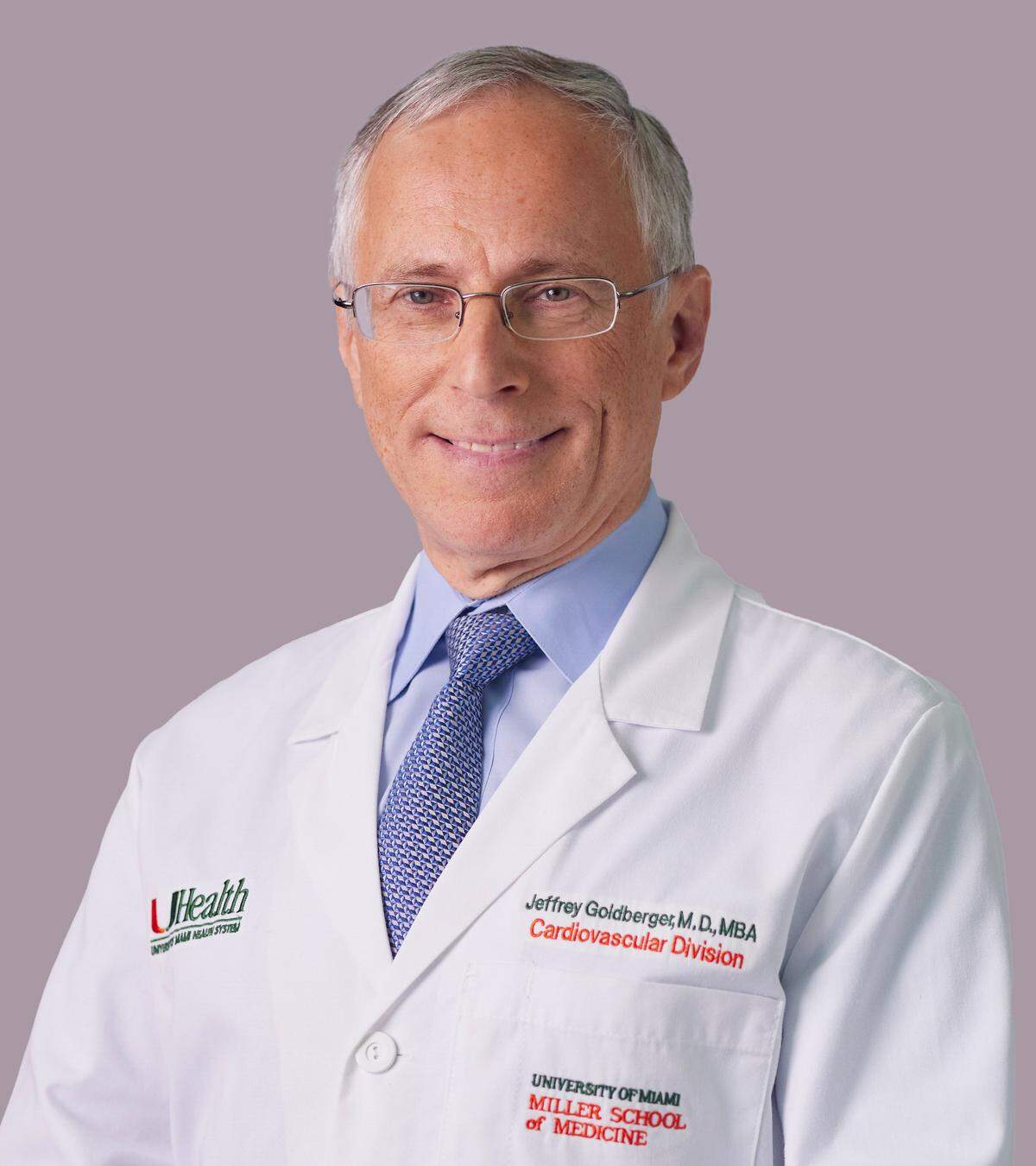
Dr. Jeffrey Goldberger, chief of UHealth’s cardiovascular division, said recent reports of COVID patients show only 1 to 3 percent have demonstrable cardiac involvement (such as myocarditis), not at the time of infection, but in the recovery phase. He said the numbers have decreased further with the omicron variant, which is highly contagious but not as deadly as the delta variant.
“So, it’s relatively, relatively small, but it’s still obviously significant enough to be screening for,” Goldberger said. “Overall, there’s a fairly low incidence of cardiac involvement, but it’s not zero, and when you have a pandemic with as many people getting infected as we have, a small incidence in a very large population can be potentially a big burden.”
Arrhythmias, heart rhythm disturbances
Goldberger said in COVID patients with an increase in arrhythmias and heart rhythm disturbances, it’s hard to distinguish whether COVID is a trigger for some underlying propensity for those arrhythmias or if COVID is the primary cause. It could be either case, he said.
Brenes said even though myocarditis is a rare long-term effect of COVID, anyone, regardless of age, who has recovered completely from COVID and starts or continues having symptoms such as chest pain, chest tightness, shortness of breath or palpitations should have a cardiology evaluation.
Goldberger recommends that high endurance athletes who have had COVID also get screened for heart issues. “Just because there’s a potential risk,” he said. “Even if it’s 1 percent, or even half a percent.”
Another thing to keep in mind is that other viruses, even the common cold, can cause myocarditis, Goldberger said.
But because COVID cases are being monitored so closely, “we have a lot more information about the natural history of the viral infection, its effect on the heart and the long-term outcomes than we have ever had with any other kind of virus that affects the heart.”
COVID, unhealthy habits and the heart
In a November 2021 Cleveland Clinic survey of 1,000 people that mimics the American population, 41 percent said they had experienced cardiovascular symptoms such as increased blood pressure, dizziness and shortness of breath since the beginning of the COVID-19 pandemic in early 2020.
“Although we can’t establish causality with a survey, cardiovascular risk factors such as increased stress, physical inactivity and unhealthy diets are likely contributors and are unfortunately on the rise,” said Dr. J. Emanuel Finet, a Cleveland Clinic cardiologist in Ohio, by email.

For example, 77 percent of respondents said they are walking less and sitting more throughout the day. More than 60 percent of the survey respondents reported having higher stress levels, particularly women, who said that concern over family and loved ones getting sick contributes to their stress the most.
COVID, isolation and the heart
Early in the pandemic, many patients avoided doctors’ offices and hospitals, even if they were experiencing a problem, because of COVID fears, said Dr. Andre Landau, a Broward Health cardiologist.
“We had patients who missed their appointments, rescheduled or canceled appointments because they were too scared to come to the office, thinking they might catch COVID along the way,” Landau said.

In his own practice, two of Landau’s patients suffered heart attacks at home because they delayed going to the hospital because of COVID fears. One, an 85-year-old woman, died. The other survived.
“There are definitely people who sit at home and have (heart) events at home without getting any health care, just because they’re too scared to get out of the house,” Landau said. “Though I think it has gotten better because people are a bit more accustomed to living with COVID and have finally discovered that if they don’t venture out the house, then they are just going to sit and die at home.”
Isolation itself also can be a risk factor for heart problems. A December 2021 study published in European Heart Journal indicates that poor social interactions in older people can be a risk factor for cardiovascular disease. The study does “suggest that there is a link between isolation and heart disease, sort of a worsening of heart failure symptoms,” Landau said. “I think it does to some degree, though it’s hard to pinpoint exactly how much it does.”
Seven steps to better heart health
The American Heart Association’s “Life’s Simple 7” are good habits to follow for better heart health and disease prevention, Brenes of Memorial said.
Manage blood pressure, control cholesterol, reduce blood sugar, get active, eat better, lose weight, and stop smoking, he said.
“If you do follow those seven things, you’re going to be much better prepared not just to tackle viruses like COVID, but any cardiovascular disease,” Brenes said. “Eighty percent of cardiovascular disease can be prevented through these seven items.”
This story was originally published February 21, 2022 at 6:00 AM.