
It was only after a test showed high calcium levels she knew there was thyroid problem
.jpeg "Kathy Ross, who learned she had a parathyroid tumor after a blood test revealed high calcium levels.")
Even with decades of experience in the healthcare field, Kathy Ross was taken aback when she learned she had a parathyroid tumor.
“It was very scary,” said Ross, who is the chief information officer at Broward Health. “I am in the healthcare profession and I didn’t know anything about (parathyroid tumors) until I was the patient.”
Both the thyroid and parathyroid glands are located in the neck. The parathyroid glands are located behind the thyroid, where they regulate blood calcium levels.
Parathyroid cancer is considered one of the rarest types of cancer, according to the National Institutes of Health, and tumors found on the organ are typically benign. Meanwhile, thyroid tumors and cancer are more common.
The American Cancer Society predicts about 44,280 new cases of thyroid cancer will be diagnosed in 2021, and an estimated 31,130 of those cases will be detected in women. More sensitive diagnostic tests, such as CT and MRI scans, have contributed to a recent spike in cases because they can pick up extremely small thyroid nodules.
“There is no question about it, there is an increase in cases,” said Dr. Robert Udelsman, chief of endocrine surgery at the Miami Cancer Institute at Baptist Health South Florida. “But the mortality rate is relatively flat, even though incidents are increasing.”
Patients are encouraged to speak to their doctor if they notice any symptoms of thyroid cancer such as a lump in the neck, pain in the front of the neck, hoarseness or other persistent vocal changes and trouble swallowing.
“The most common presentations for not just thyroid cancer or parathyroid disease, but for almost all head and neck cancers, is that if there is a neck mass or a lump that is present for at least two weeks,” said Dr. Ryan Sobel, medical director of head and neck cancer at Broward Health. “It’s extremely important to have that evaluated by a head and neck surgeon.”
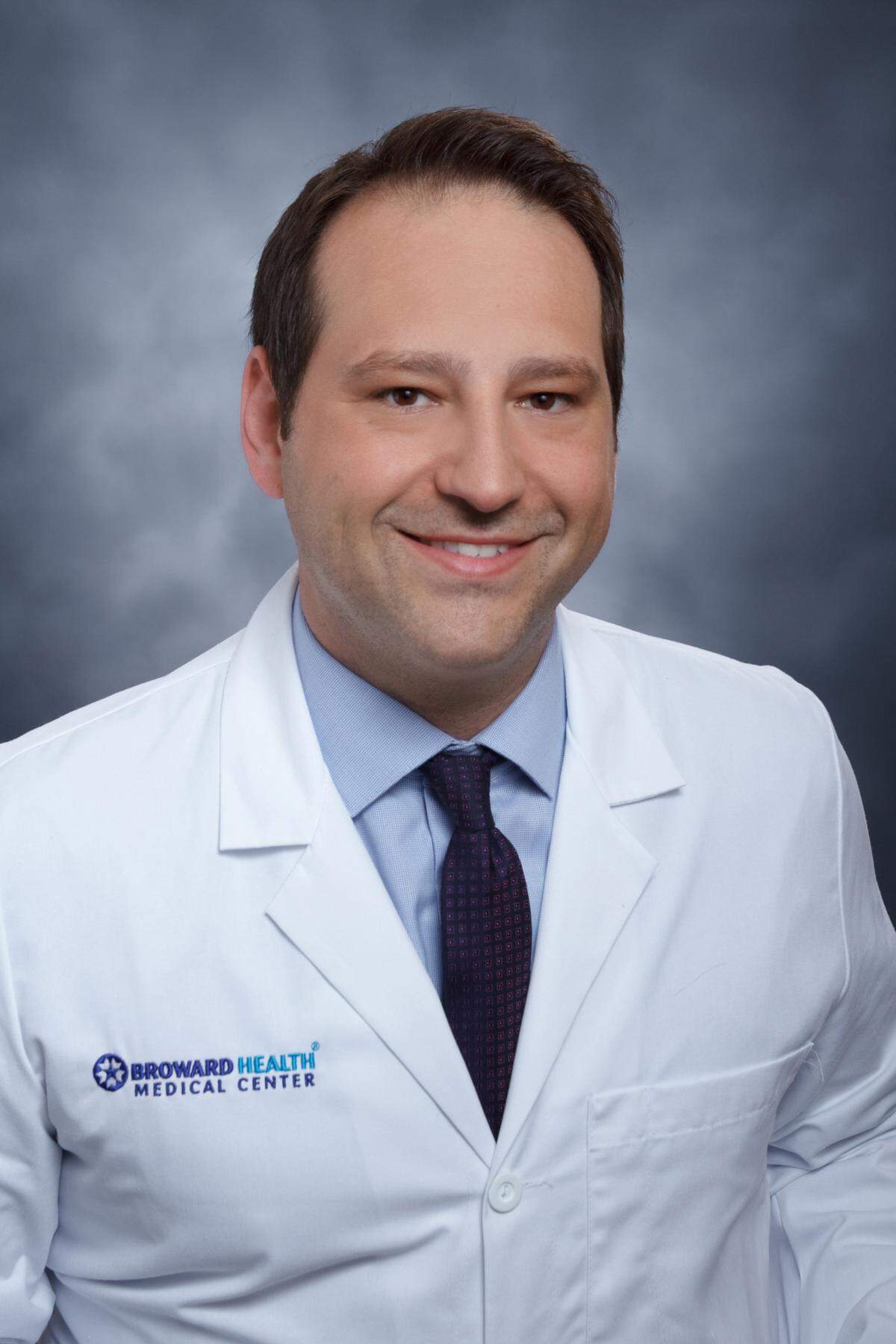
Once a thyroid cancer tumor is detected, surgery is a common course of action. But in some cases, such as when a tumor is extremely small, surgery may not be appropriate, Udelsman says.
“Some of these tiny cancers aren’t clinically significant,” Udelsman said, adding that some physicians are concerned about “over-treatment.”
High calcium levels in blood
Since the parathyroid glands help regulate calcium and phosphorus levels in the blood, unusual calcium levels can be a clue that something may be wrong.
In Ross’ case, blood work she did in 2018 revealed elevated calcium levels. She pressed her doctors on the results and was told it wasn’t anything that needed immediate action.
More than a year later, Ross switched doctors and health systems, and when her blood work showed high calcium levels it was addressed with more urgency.
Ross underwent a series of tests, which revealed a parathyroid tumor that required surgical removal. Sobel performed the surgery and ended up removing two parathyroid glands.
“He was supposed to remove my right lower parathyroid, but when he actually went in, my left lower parathyroid was bigger than my right,” Ross said, adding that the larger gland wasn’t visible in any tests due to the way it was situated. “So he ended up removing both my right and left lower parathyroid.”
Ross says she now feels great.
“Honestly, I didn’t have any symptoms other than my blood work,” she said. “If it hadn’t been handled, it could have had devastating effects.”
Ross says she encourages patients to get involved with their healthcare process and to ask questions.
“Know your numbers, check your blood work and question your doctors as well,” she said. “You have to be an active participant in your healthcare.”
Sobel agrees.
“I think the most important thing for patients to understand is that when you’re referred to a head and neck surgeon, fear can sometimes overtake your rational thought,” Sobel said. “And it’s extremely important to try to relax, allow the process to take shape, trust your physician and be sure to ask any questions.”
Sobel says surgeons recognize the uncertainty and concerns that come when a patient learns they need surgery.
“We see that patients become extremely anxious and normally that’s a result of the unknown,” Sobel said. “Thyroid and parathyroid surgeons are very used to being asked a ton of questions, and we’re happy to give the answers to them. In many cases, we will tell you more about things before you even ask the question.”