
While skin cancer rates among Blacks are low, deaths are higher than whites for melanoma
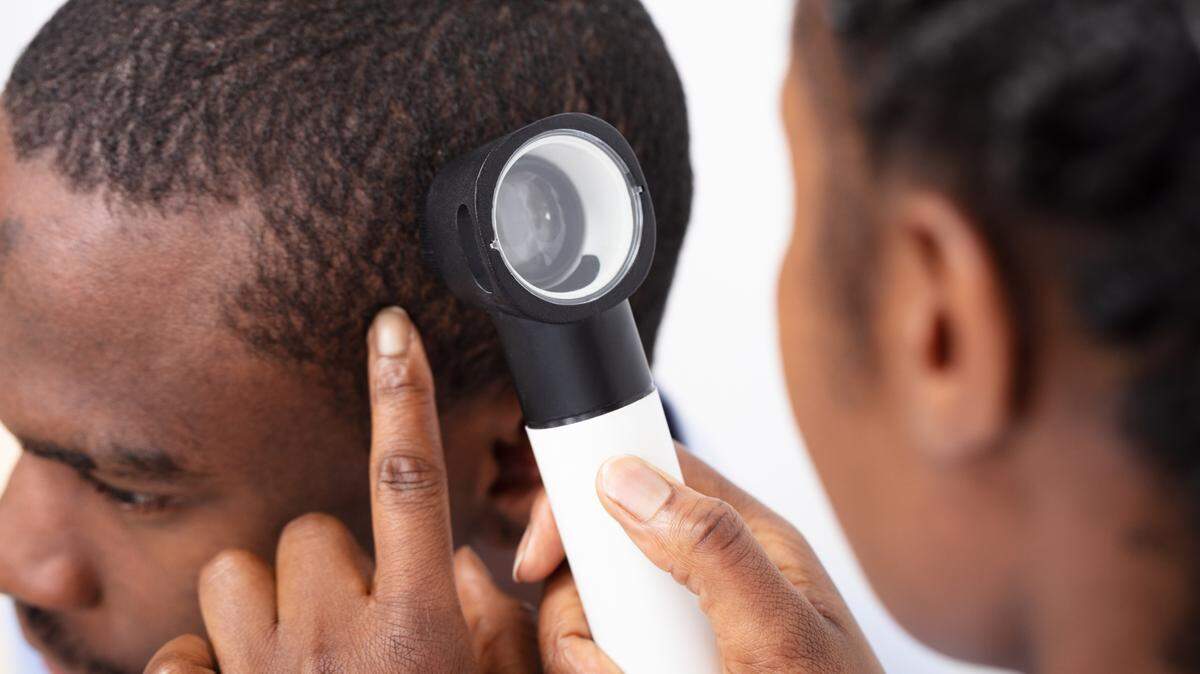
One of the most common health misconceptions is that Black people don’t get skin cancer. That myth is dangerous.
“Skin cancers can happen to anyone,” says dermatologist Dr. Naira Braghiroli, chief of dermatology at Miami Cancer Institute of Baptist Health South Florida. “Dark skin tone doesn’t mean you’re protected.”
Skin cancer is the most common malignancy in the U.S., but prevalence rates vary among groups. For example, skin cancers make up a minuscule 1 to 2 percent of all cancer cases among the U.S. Black population. By comparison, it accounts for 2 to 4 percent of cancers in Asians, 4 to 5 percent in Hispanics and a startling 25 to 45 percent in Caucasians.
In spite of the low numbers, some skin cancers prove deadlier in Black patients. The average five-year melanoma survival rate for Blacks is only 67 percent. It’s 92 percent in white people.
“In this population, we find that they present at an advance stage,” Braghiroli explains. “That always makes it harder to treat.”

According to the American Academy of Dermatology, 24 percent of African-American melanoma cases are diagnosed when the cancer has already spread to nearby lymph nodes. Another 16 percent are diagnosed when the cancer has spread to distant parts of the body. Part of the lateness in seeking treatment may be due to a lack of access to care or simply not getting checked as often.
Another complication is the location of skin cancers in Blacks. While Caucasians’ skin tumors typically develop in areas exposed to the damaging UV rays, an estimated 75 percent of skin cancers diagnosed in people of color are not.
The most cancer prone areas include palms of the hands, nail beds, soles of the feet, inside the mouth and/or the genitalia area. In fact, the most common place for a tumor is on the plantar, which is the lighter skin tissue that runs along the bottom of the foot. This accounts for 30 to 40 percent of all skin cancer cases in Blacks.
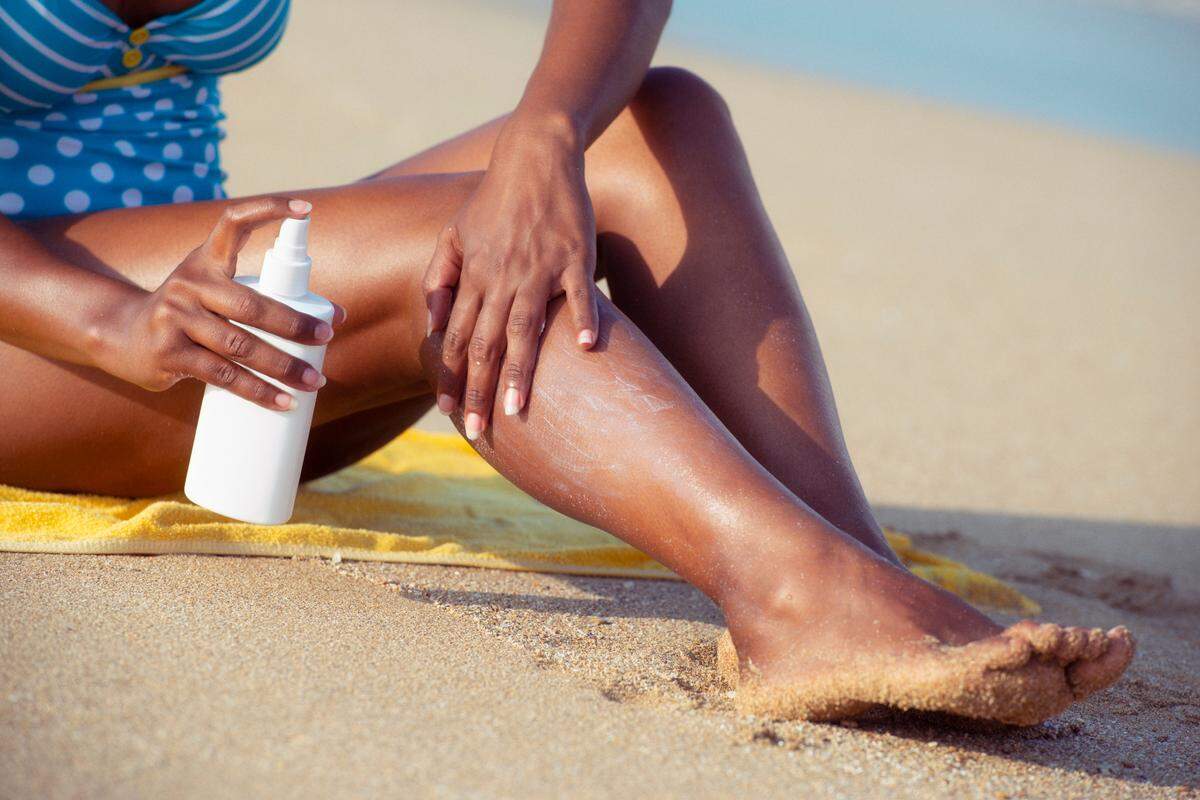
There’s a solid scientific explanation for these differences. Black skin has more melanin, a pigment that gives skin a darker tone and also offers some protection from the sun. It’s not a free pass, however.
“In my practice, the number one factor [for late diagnosis] is that they don’t go to preventive screening until they already have something” that is noticeable, Braghiroli says. “They don’t think it can happen to them.”
Three skin cancer types are considered of particular concern for people with dark skin. Basal cell carcinoma, named because it develops within the basal cell layer of the skin, accounts for more than 80 percent of the more than 3 million cases of skin cancer diagnosed every year. It grows slowly and rarely spreads if treated in time. It occurs most frequently in sun-exposed body areas.
Squamous cell carcinoma is the second most common form of skin cancer in the general population but the number one among Blacks. It develops in the outermost layer of the skin and can also be found in scars, skin ulcers or genital regions. It grows slowly but is more likely than basal cell carcinoma to metastasize.
Melanoma develops in the melanocytes, the skin cells that produce melanin. Unlike the squamous cell and basal cell carcinomas, melanoma can occur in the areas that don’t get any sunlight. Though melanoma is 20 times more common in whites than in African Americans, Blacks suffer more melanoma deaths than any other ethnic group.
Braghiroli says this is partly due to the way melanoma expresses itself. Among Blacks, melanoma grows vertically and is more aggressive. Among Caucasians, the tumor grows horizontally and can be easier to treat.
However, much can be done to combat skin cancer, regardless of race. “Prevention is important,” she says, “and it’s something we can all do.”
How to help prevent skin cancer
▪ Wear sunscreen at all times. Apply about 15 minutes before going out and then reapply every two hours.
▪ Avoid the sun between 10 a.m. and 2 p.m. Don’t sunbathe.
▪ Don’t smoke.
▪ Perform monthly self-examinations to check for unusual marks or changes in the skin — a sore that won’t heal, a spot that changes shape/size, or a growth that bleeds.
▪ Check areas where skin cancer may hide, such as palms, soles, nailbeds, inside the mouth and the genitalia area.
▪ Speak to your healthcare provider as soon as possible if you find anything unusual.
▪ Get a full body screen by a dermatologist once a year.
“Skin cancer is very treatable,” Braghiroli says. “The key is to catch it on time.”