
Congress passes law for national suicide prevention hotline in lieu of calling 911
The National Suicide Hotline Designation Act of 2020, passed by Congress and signed into law on Oct. 17, will establish a 988 crisis hotline for mental health emergencies.
The bipartisan-sponsored bill would designate 988 as the three-number national suicide prevention and mental health crisis hotline number in lieu of calling 911.
“The need for 988 is urgent. Without appropriate care, people with mental illness end up on our streets, in jails and in emergency departments — and dying in tragic encounters with law enforcement,” said Daniel H. Gillison Jr., CEO of the National Alliance on Mental Illness.
A report by Well Being Trust in May cites an increase in “deaths of despair” during the COVID-19 pandemic and projected that upwards of 75,000 more people will die from drug abuse or suicide, based on the report’s projected unemployment from 2020 to 2029.
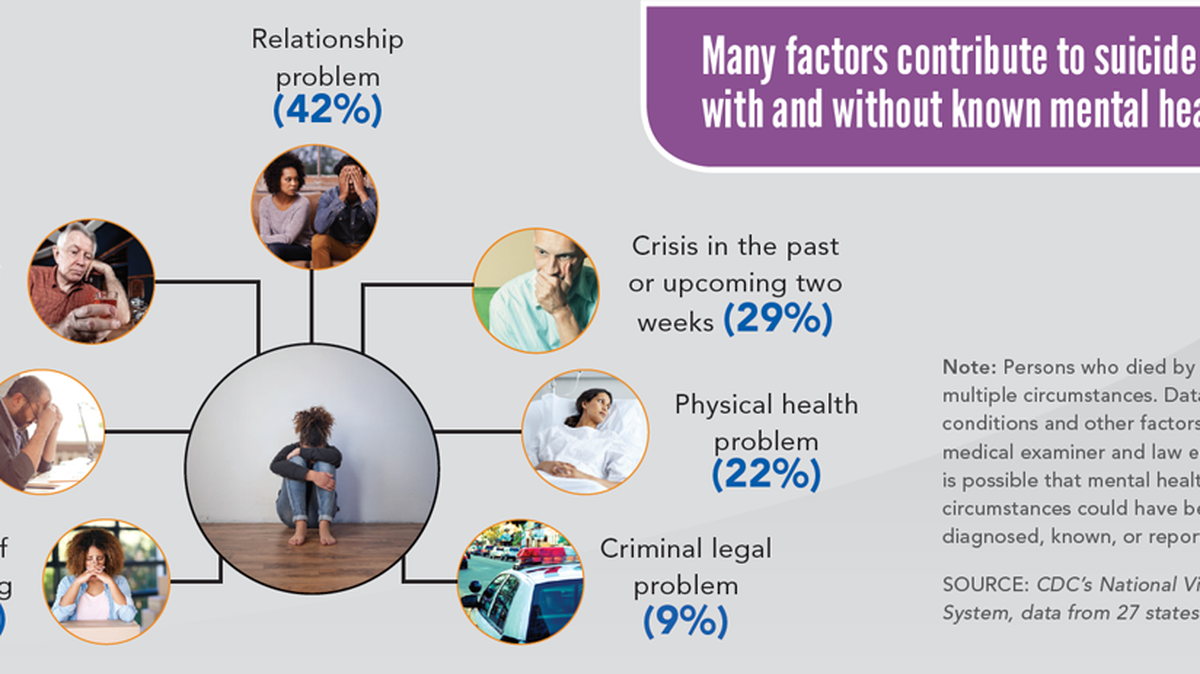
Suicide is among the top 10 leading causes of death in the U.S., resulting in about one death every 11 minutes, according to the Centers for Disease Control and Prevention. In 2018, 48,344 Americans died by suicide, the CDC has reported.
In 2019, 3,427 people died by suicide in Florida, and 268 were from Miami-Dade County, according to the Florida Department of Health.
“Warning signs aren’t always obvious, and they may vary from person to person,” says the Mayo Clinic’s website. “Some people make their intentions clear, while others keep suicidal thoughts and feelings secret.”
The 9-8-8 hotline will be active across the country by July 2022, officials said. Until then, those in crisis should contact the Suicide Prevention Lifeline at 1-800-273-TALK (8255), or visit https://suicidepreventionlifeline.org
Suicide warning signs
▪ Talking about wanting to die or to kill oneself;
▪ Talking about feeling hopeless or having no purpose;
▪ Talking about being a burden to others;
▪ Increasing alcohol or drug use;
▪ Acting anxious, agitated, or reckless;
▪ Sleeping too little or too much;
▪ Withdrawing or feeling isolated;
▪ Displaying extreme mood swings.
Source: Suicide Awareness Voices of Education
This story was originally published November 19, 2020 at 4:59 PM.