
Social Security checks will barely rise in 2021 due to pandemic’s economic effects
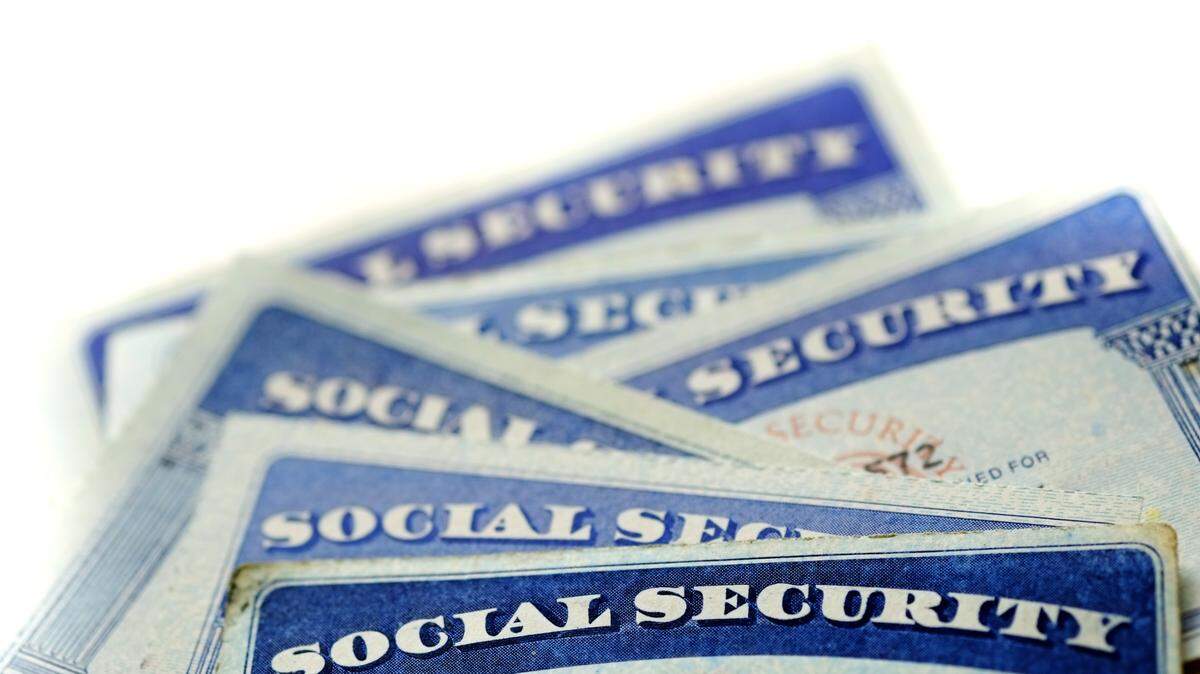
Social Security recipients will get a modest 1.3% cost-of living increase in 2021, but that might be small comfort amid worries about the coronavirus and its consequences for older people.
The increase amounts to $20 a month for the average retired worker, according to recent estimates by the Social Security Administration. That’s a little less than this year’s 1.6% cost-of-living adjustment, or COLA.
The COLA affects the personal finances of about 1 in 5 Americans, including Social Security recipients, disabled veterans and federal retirees, about 70 million people in all.
Pandemic impacts Social Security, Medicare
The economic fallout from the virus has reduced tax collections for Social Security and Medicare, likely worsening their long-term financial condition.
In fact, the latest projections from the Congressional Budget Office project that the Medicare Hospital Insurance Trust Fund, which funds hospitalizations, will be insolvent by 2024, two years earlier than a CBO projection made in May before the effects of the pandemic were factored in.
The tax cuts passed by Congress, and signed into law by President Donald Trump, have also contributed to Medicare’s financial woes, Medicare experts say.
“We are looking at a period where there are growing inadequacies in Social Security benefits, particularly for people with lower-to-middle benefits,” said Mary Johnson, an analyst with the nonpartisan Senior Citizens League.
With the just-announced COLA, the estimated average Social Security payment for a retired worker will be $1,543 a month next year. A typical couple’s benefits would increase $33 to $2,596 per month.
“The guaranteed benefits provided by Social Security and the COLA increase are more crucial than ever as millions of Americans continue to face the one-two punch of the coronavirus’ health and economic consequences,” said AARP CEO Jo Ann Jenkins.
Diana LaCroix, of Omaha, Nebraska, says her COLA doesn’t cushion rising healthcare costs most years. And she has new responsibilities. Her youngest daughter and two grandsons moved in with her this summer after the daughter’s landlord decided to sell the house they were renting.
LaCroix, retired from customer service jobs, is now buying diapers some days as she scrounges for good deals on hand sanitizer. “Something’s got to give,” she said. “Something’s got to change.”
Trump has kept his promise not to cut Social Security benefits, but this summer he sent confusing signals with a plan to temporarily suspend collection of certain taxes that fund the program.
While the White House staff said it was a limited measure that would have no lasting impact, Trump kept hinting to reporters that he had much bigger tax cuts in mind.
Early in the year, he told an interviewer he wanted to tackle “entitlements,” or benefit programs, if he were elected to a second term. Former vice president Joe Biden defeated Trump in the November election.
President-elect Biden has a Social Security plan that would revamp the COLA and peg it to an inflation index that more closely reflects changes in costs for older people, particularly healthcare.
That’s been a priority for advocates. He would also increase minimum benefits for lower-income retirees, addressing financial hardship among the elderly.
Biden has said he would raise Social Security taxes by applying the payroll tax to earnings above $400,000 a year. The 12.4% tax, equally distributed among employees and employers, currently only applies to the first $137,700 of a person’s earnings.
The tax increase would pay for Biden’s proposed benefit expansions and also extend the life of program’s trust fund by five years, to 2040, according to the nonpartisan Urban Institute.
This story was originally published November 18, 2020 at 5:10 PM.