
She couldn’t eat without getting seriously sick. Now, she can have everything.
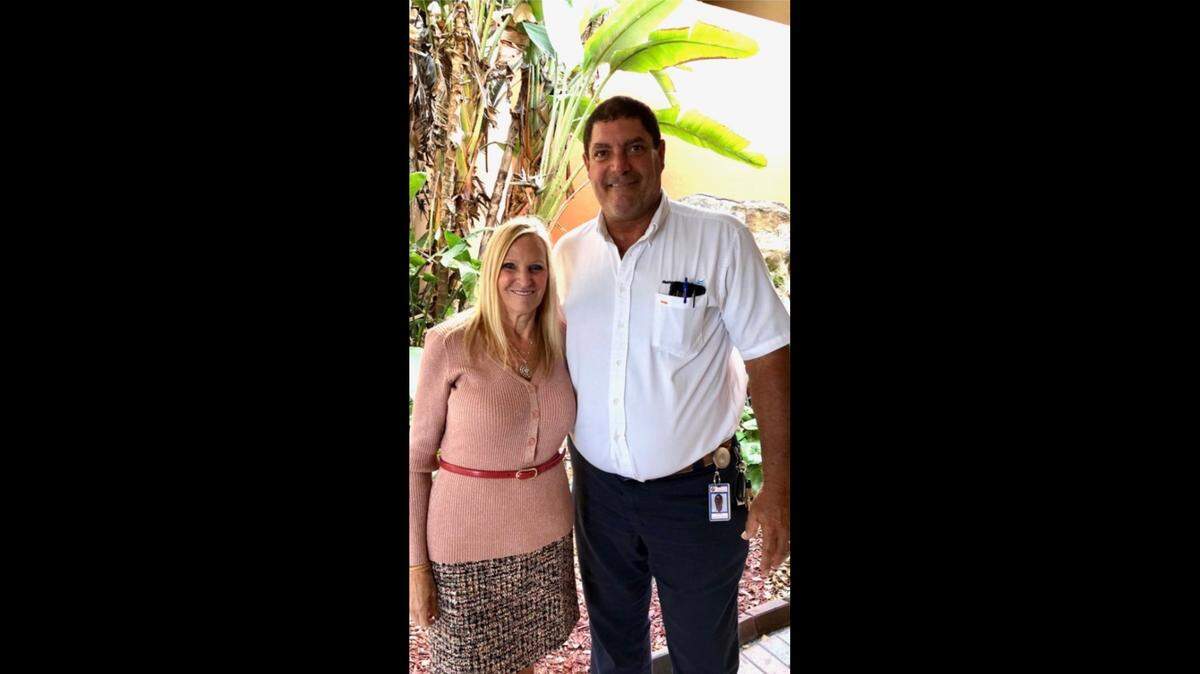
Nancy Valdes had a slew of stomach problems, conditions and surgeries over 14 years, but her worst symptoms were her inability to keep down any food.
Everything she ate caused abdominal pain, nausea, vomiting and diarrhea.
The Davie resident didn’t know what was wrong and the only way she could control her symptoms was by not eating. As a result, doctors told her she would have to have her stomach removed or be placed on feeding tubes.
She didn’t like either option, so she suffered — until a new outpatient surgery changed her life.
“Before, I was just so sick all of the time. I had to carry around extra clothes with me in my purse,” said Valdes, 67.
In January 2019, doctors at the Cleveland Clinic in Weston diagnosed her condition: gastroparesis (GP), a motility disorder that slows down stomach emptying, often making patients feel miserable because the food they eat just sits in their stomachs and ferments, causing nausea and other digestive symptoms.
More than 80% of people with GP are women and unlike Valdes, they are usually diagnosed in their 30s and 40s.
By the time of Valdes’ diagnosis, a new endoscopic surgery that relieves the symptoms of GP in about 75% of cases was being offered just minutes from her home.
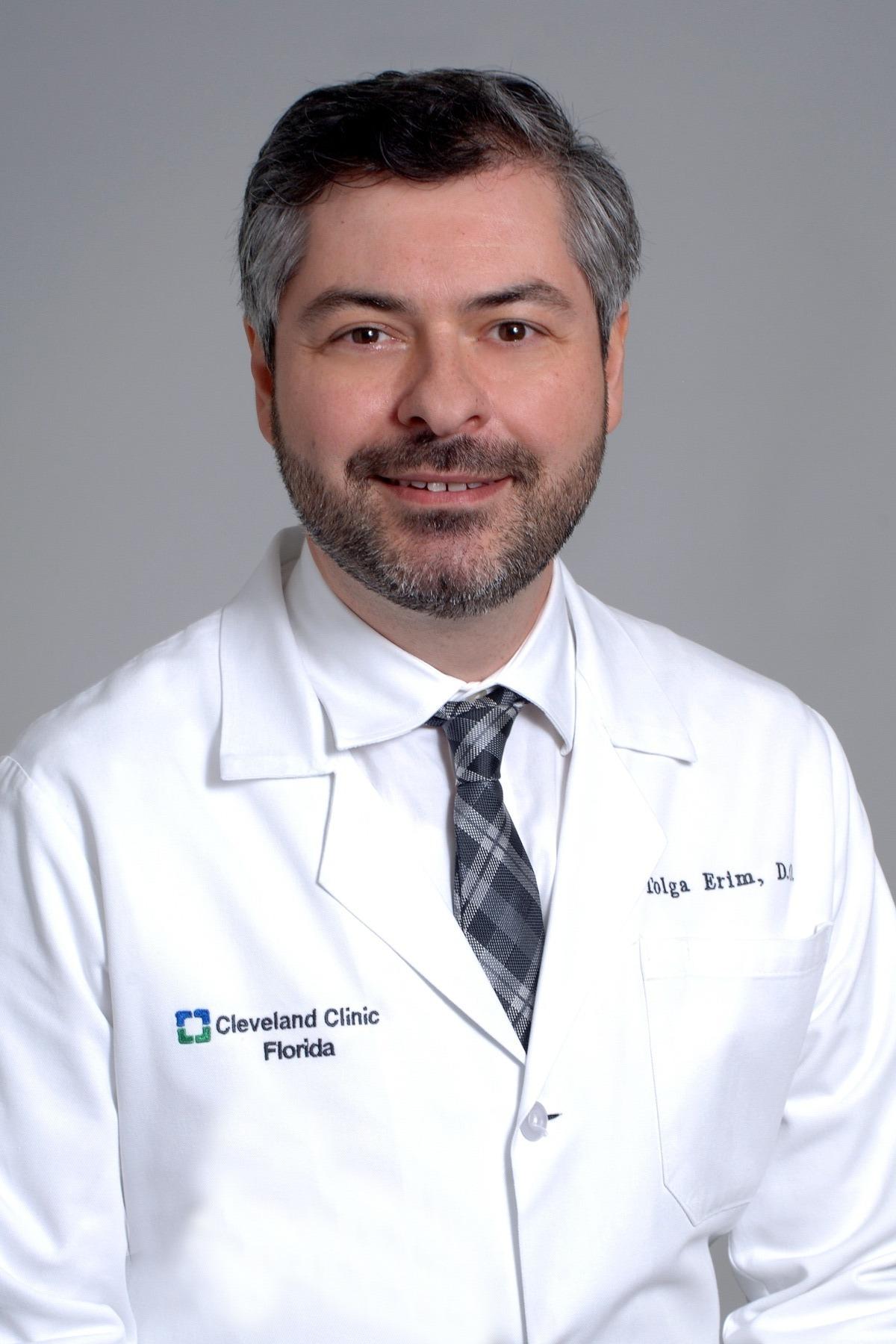
Dr. Tolga Erim, a Cleveland Clinic gastroenterologist who specializes in endoscopic procedures, performs the surgery known as POP (Per-oral pyloromyotomy). The procedure entails cutting the muscle of the pyloric sphincter (the valve that connects the stomach to the small intestine), which has been shown to improve stomach emptying.
The University of Miami Miller School of Medicine/UHealth System is in the process of getting approved for the POP.
In July 2019, Valdes had the POP and now feels remarkably better.
“Dr. Erim gave me back the ability to eat again. He gave me my life back,” she said.
Gastroparesis cases in the U.S.
Gastroparesis comes from ancient Greek and means partial stomach paralysis. According to the NIH, gastroparesis affects up to 5 million Americans — more than Crohn’s disease and colitis combined — with an additional 200,000 diagnosed each year.
However, it’s a diagnosis that is often missed as it’s not widely known and the symptoms can be confused for other problems. Prior to diagnosis, many GP patients are told that it’s all in their heads, or their stress is causing the symptoms.
It can take patients, on average, 2.5 years to get a correct diagnosis.
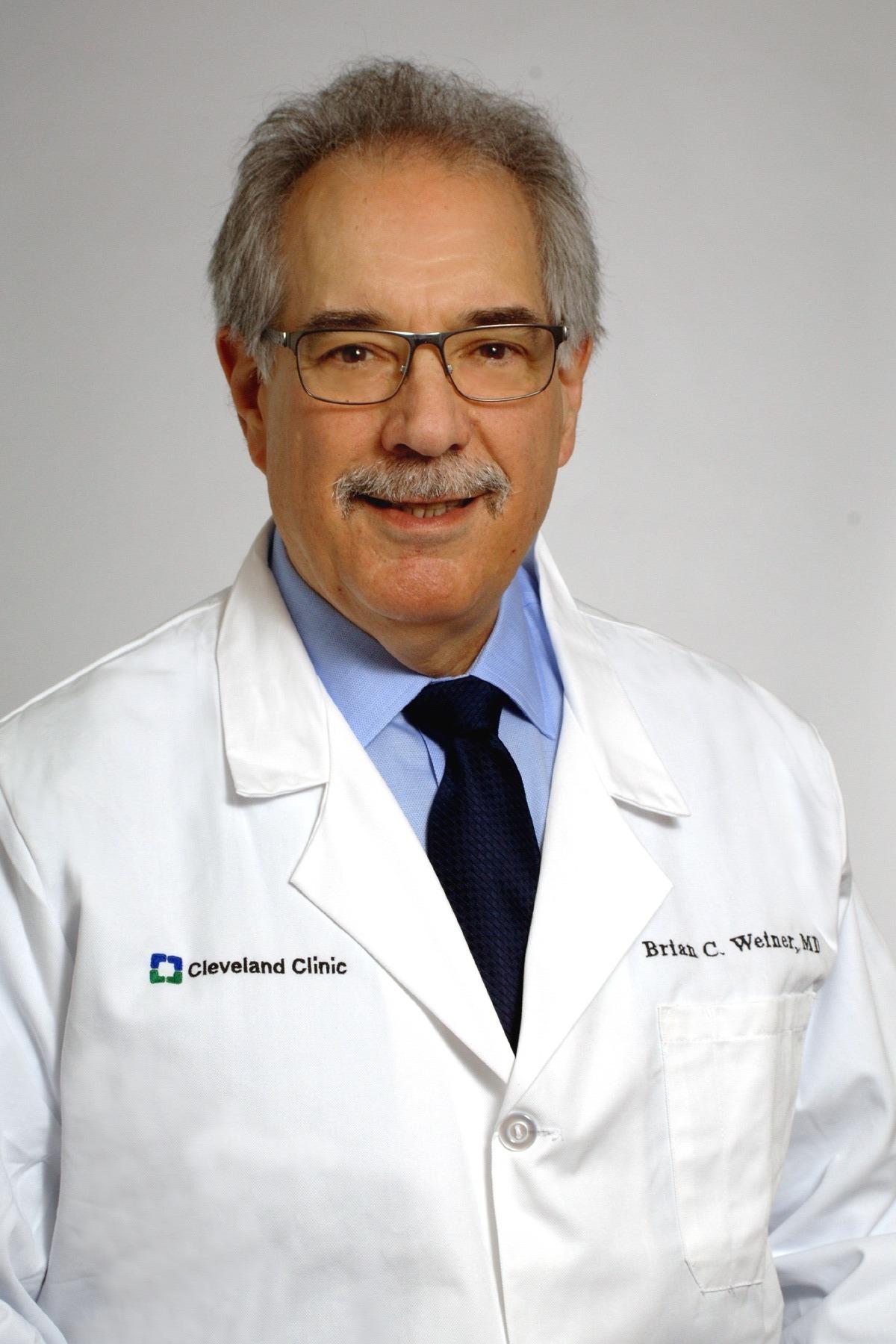
“By the time I see them, I am usually the third or fourth gastro they’ve seen,” said Dr. Brian Weiner, a gastroenterologist and GP specialist at Cleveland Clinic, who has been treating GP patients for about 20 years.
Eating an egg sandwich for diagnosis
The main test for GP diagnosis is the Gastric Emptying Scan (GES), in which the patient eats an egg sandwich laced with radioactive materials and has an abdominal X-ray at intervals to see how quickly the food is passing through the stomach.
The test often takes about four hours to complete. People with normal stomach emptying will have digested at least 90% of the food upon completion, but those with GP have higher percentages of food left over in the stomach, which can vary depending on the severity of the disease.
One challenge some GP patients face is that if they can’t keep food down, they can’t complete the test.
“When they did the testing, I had zero digestion left,” said Valdez, who was still able to complete the exam. “I can eat everything now,” she added, still sighing in disbelief.
A test that is becoming more popular is the Smart Pill, where the patient swallows a mechanical pill that records transit time throughout the entire intestine. The pill is excreted with a bowel movement and allows doctors to see if there are issues in other parts of the digestive system.
Anxiety, depression in patients
GP causes a lot of patients to become rail-thin, upholding the disease’s slogan of “starving for a cure,” for which there are none. For some patients whose bodies go into starvation mode, they actually gain weight and are known in the GP community as “gainers.”
If it is unable to be controlled, the disease can have a profound impact on a person’s life.
“A lot of happy moments in life revolve around food. Think of any celebration, what do we do, we get together and we eat,” said Weiner. “But many people with gastroparesis spend more time in the bathroom than at the table,” he added.
An NIH study found that 24% of GP patients experience anxiety and depression, while 50% are somatic, meaning that their psyche exacerbates their symptoms.
Treatments can have side effects
GP treatment often revolves around medication and diet management, as some foods are harder to digest than others. But doctors can’t always get the medications in the United States, and there are serious side effects with some of them.
Domperidone, a gastric prokinetic agent (a medicine that speeds up the stomach’s emptying) is not FDA approved and can only be obtained legally through the FDA’s Expanded Access Use, which not all doctors participate in.
Canada has approved the treatment, and many GP patients obtain the medicine by getting a prescription from a local doctor and ordering through an online Canadian pharmacy.
Some patients can’t tolerate Domperidone because it can cause heart problems; patients should be checked every three months while on the medication.
Reglan, while legal in the United States, has been black-boxed by the FDA because of the drug’s permanent potential side effects, including tremors that mimic those of Parkinson’s disease.
Motegrity, which focuses more on the colon than the stomach, is not always covered by insurance. (A 30-day supply can cost over $400.)
If doctors can’t get the food to move more quickly through the stomach, they have to control the nausea.
“When I give lectures, I ask the doctors how many medicines they use to treat nausea and they say two or three. Then I show them my next slide with the 45 medications I use,” said Weiner, whose arsenal includes solutions from nausea patches to herbal elixirs from Germany.
POP changes everything
Prior to the POP (and still used today), patients were sometimes advised to get a gastric pacemaker, which stimulates the stomach muscles to propel the food down.
However, with the advent of the POP, doctors at Cleveland Clinic are revisiting their GP treatment protocol and other medical facilities are following suit.

“The POP has become the first line of therapy,” said Dr. Jeffrey Ponsky, the surgeon who developed the procedure in 2015 at the Cleveland Clinic in Ohio.
Born and raised in Cleveland, Ponsky was introduced to medicine through an uncle who got him a part-time job at a hospital when he was 16. While later suffering through the grueling hours of a surgery residency, he thought a gastroenterology rotation could be just the slower pace he needed.
He showed promise but the hospital where he was working only had one scope. His mother-in-law bought him his own, which he kept in his car and drove around town, day and night, fulfilling every doctors’ endoscopy request he could. (Today, he acknowledges, regulations would prevent this.)
In the last five years, the Ohio team has performed more than 600 POP procedures, and Erim in Weston has performed more than 50.
POP is mainly outpatient
The POP is an endoscopic procedure that is largely outpatient.
The small incision that’s made inside the stomach under general anesthesia is closed with metal clips instead of sutures, and the clips are excreted through bowel movements.
The surgery requires that patients adhere to a liquid diet for one to two weeks post-surgery followed by a soft foods diet. Thereafter, they are told to start experimenting with other foods.
Some patients feel better right away, while others need more time. After three months, the patient is brought back in for the egg sandwich test to so see if motility has improved.
“We use the test to gauge the results of the surgery, but the real test is how patients feel,” Erim said.
Possible causes of gastroparesis
GP usually develops when there is damage to the vagus nerve, which, in its normal state, contracts the stomach muscles to help move food through the digestive tract. Damage can occur from diabetes, surgeries, a virus, narcotics or something that doctors can’t determine.
While Valdes and her doctors can’t be sure, they believe her GP could be due to several surgeries she had to treat her other ailments.
Prior to surgery, Valdes had mostly bad days, and now she said she has about three bad days a month. “My husband is really happy I can eat again,” she added.
This story was originally published October 16, 2020 at 11:31 AM.