
There’s a surprising reason for the spike in peanut allergies in children
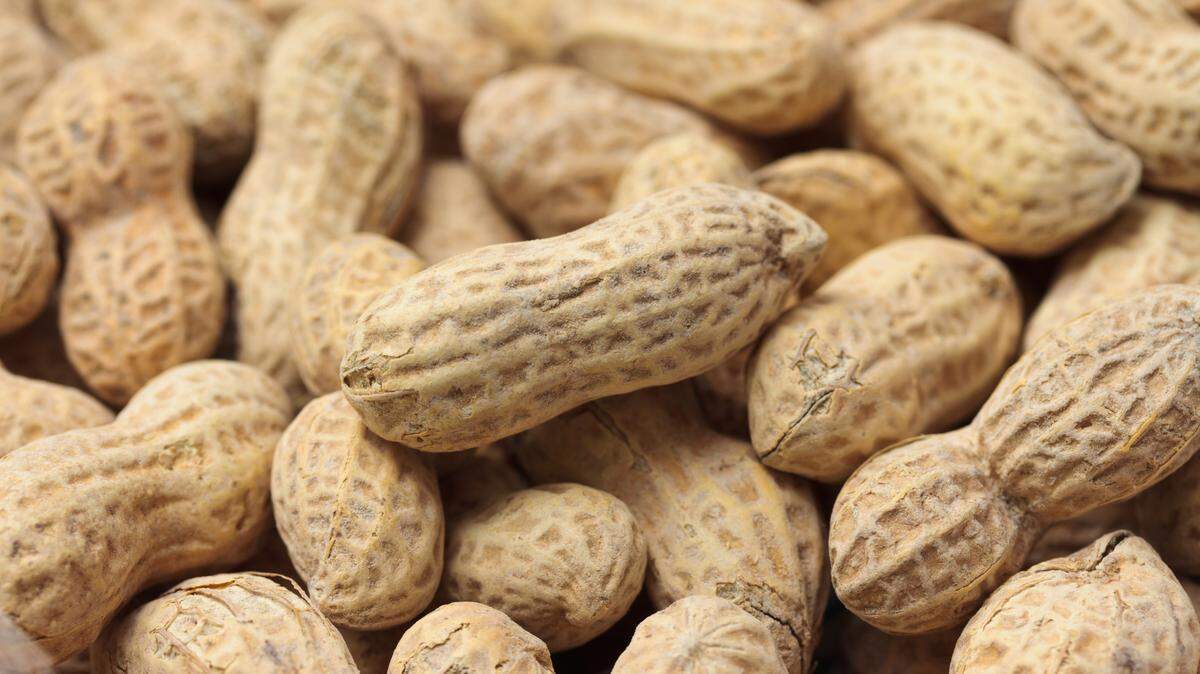
In the 16 years that Dr. Vivian Hernandez-Trujillo has been in practice, she’s noticed that more and more of her patients are suffering from peanut allergies.
“We’ve seen a definite increase. Every week we see several cases,” said Hernandez-Trujillo, a pediatric immunologist and allergist at Nicklaus Children’s Hospital.
A Centers for Disease Control & Prevention report shows that between 1997-1999 and 2009-2011, food allergies among children increased by 50 percent.
But an academic report indicates between 1997 and 2008, the prevalence of childhood peanut or tree nut allergy in the United States appears to have more than tripled. Another study indicates that since 2010, peanut allergies have continued to climb.
The question is why. The trend toward increased peanut allergies is not universal. In some countries, such as Israel, the prevalence of peanut allergies is quite low.
A groundbreaking 2015 study called Learning Early about Peanut Allergy (LEAP) appears to provide some clues about what’s going on. It found that the age at which children first eat peanuts and the frequency of the legume in their diets can influence whether a child develops peanut allergy.
“We’re hoping if we introduce peanuts earlier into the diet that we can get those numbers down and help avoid and prevent peanut allergies,” said Hernandez-Trujillo.
Conventional wisdom used to be that the best way to avoid a peanut allergy, especially among high-risk children who have a genetic predisposition to peanut allergy, or who have other food allergies or eczema, was to avoid introducing peanuts before the age of 3. The American Academy of Pediatrics issued such a recommendation in 2000.
In 2008, the pediatrics academy dropped that recommendation and now says if an infant is not experiencing allergic reactions, foods — including potential allergens — to complement breastfeeding aren’t restricted after 4 to 6 months of age. If a baby has severe eczema or another food allergy, doctors say it might be wise to give the child the first taste of a peanut product in a doctor’s office.
“We have learned that it’s not good to delay introduction of highly allergenic foods,” said Dr. Hanadys Ale, a specialist in pediatric immunology and allergy at Joe DiMaggio Children’s Hospital in Broward. In laymen’s terms, she said, that means “showing the immune system early on who the potential bad guy is so there is no time to develop sensitivities.”
The early introduction of high-risk foods is telling the cells don’t create antibodies, she said.
Because of the potential choking hazard, whole peanuts or chunks of peanuts shouldn’t be given to babies. Doctors recommend a smooth peanut puree or a snack that has peanut butter as an ingredient for children at medium and low risk for peanut allergies.
As for the lower incidence of peanut allergies in Israeli children, the answer may be Bamba, a peanut butter-flavored snack made from puffed corn that is manufactured in Israel. “Bamba is given to Israeli children very early to eat as a snack,” said Ale.
Mimi Whitefield can be reached at mimiwhitefield@gmail.com or on Twitter @heraldmimi
Food Allergy Help
For more information on the oral immunotherapy program at Joe DiMaggio Children’s Hospital, call the Pediatric Immunology and Allergy Department: 954-265-3030.
Top 9 food allergens
Estimates on those in the U.S. population with allergies to specific foods, 2018 and 2019 studies
Shellfish: 8.2 million
Milk: 6.1 million
Peanuts: 6.1 million
Tree nuts: 3.9 million
Eggs: 2.6 million
Fin fish: 2.6 million
Wheat: 2.4 million
Soy: 1.9 million
Sesame: .7 million
Source: Food Allergy Research & Education (FARE)