
Cervical cancer is totally preventable but thousands of U.S. women will die from it
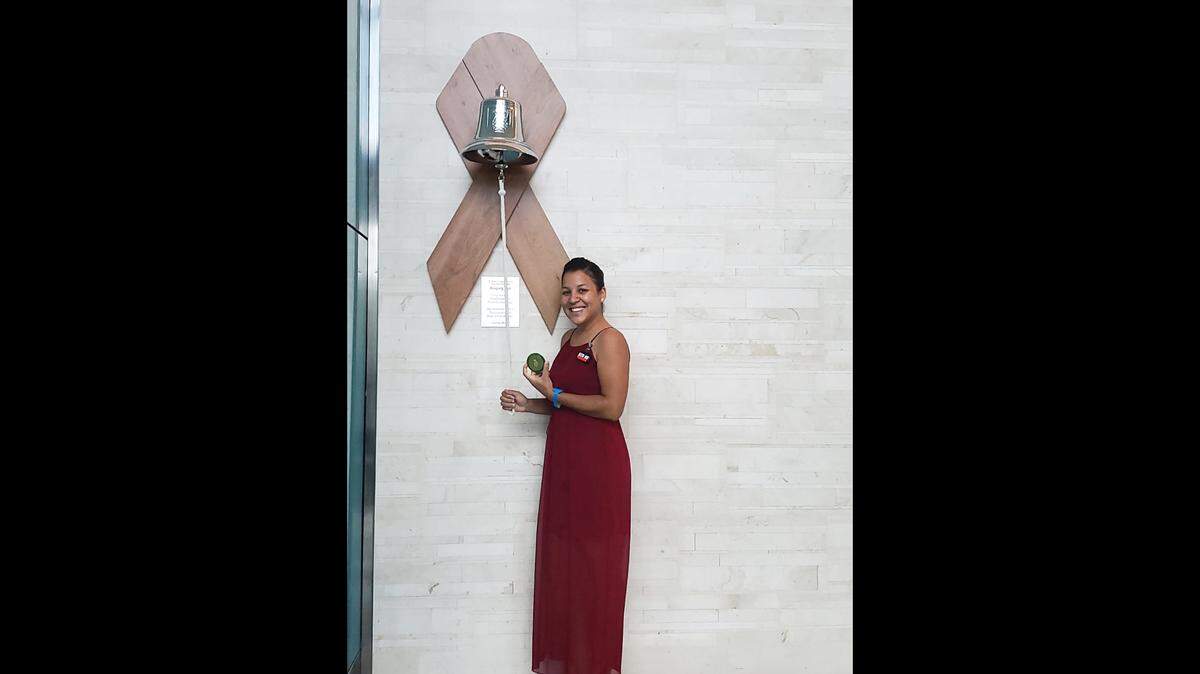
Last year, Stephany Goyla, 33, felt a sharp pain on the left side of her abdomen. The pain was so strong that she went to the ER, where she was told she had an ovarian cyst and to see a gynecologist.
She did and received her first Pap smear, which tests for precancerous and cancerous cells in the cervix, at age 32. Pap tests are normally recommended for women starting at 21.
The results of Goyla’s Pap test: She had contracted HPV (Human Papillomavirus) and had stage 2B cervical cancer, “an intermediate stage,” said the lead physician in her treatment, Dr. Noah Kalman, a radiation oncologist at Miami Cancer Institute, part of Baptist Health South Florida.
HPV, the most common sexually transmitted infection, is the main cause of cervical cancer. But not all people with HPV get cancer; in fact, according to Johns Hopkins University, 80% of sexually active women will have the virus at some point and their body will clear it on its own.
When Goyla got the news, she was in shock. Besides the pain in her abdomen that one time, she hadn’t felt any other symptoms.
Most women with early-stage cervical cancer don’t experience many — if any — symptoms. As the cancer progresses, patients may experience the following symptoms:
▪ Vaginal bleeding after intercourse, between periods or after menopause
▪ Watery, bloody vaginal discharge that may be heavy and have a foul odor
▪ Pelvic pain or pain during intercourse
Goyla’s cancer was caught early enough that it hadn’t spread throughout her body. She received seven weeks of chemotherapy and radiation and was recently declared in remission.
“I’m a CPA and I used to be a workaholic and nothing had priority besides my work, but ringing that bell taught me years of experience and that I need to take care of myself,” she said, adding she’s taken on a less stressful job as a finance manager.
Awareness and Prevention
“It takes HPV anywhere from five to seven years to develop into cancer,” said Kalman.
And even if you vaccinated against HPV, it doesn’t mean you’re in the clear: You could have contracted HPV years ago, but it may not have turned into cancer just yet, he said.
The Mayo Clinic recommends the HPV vaccine be given to both boys and girls starting at age 9.
While cervical cancer is one of the few cancers that is totally preventable, the American Cancer Society predicts that in 2020, about 4,300 women will die from cervical cancer in the U.S. alone.
“It’s frustrating because we’re losing young women daily to a disease that is preventable,” said Dr. Marilyn Huang, a gynecological oncologist at the University of Miami Health System and an advocate for early vaccination and regular screening.
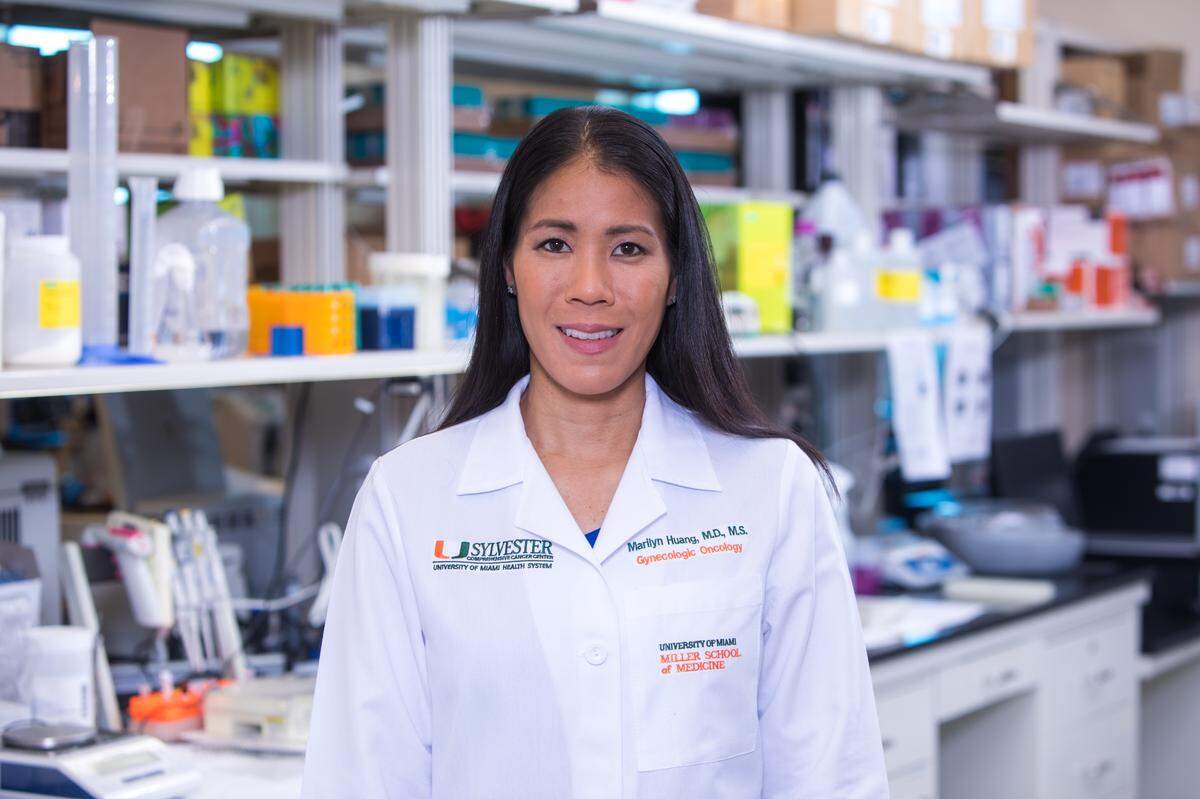
And while HPV vaccination rates are on the rise in the U.S., according to a survey published in January by the National Center for Health Statistics — part of the CDC, doctors say the number of people getting vaccinated in the U.S. is still too low.
“Miami and U.S. vaccination rates are no more than 50%,” said Huang, who said both men and women should be vaccinated to prevent spreading the virus.
There are several reasons why vaccine rates in the U.S. aren’t higher. The first is the lack of awareness of the vaccine.
“The other vaccines — measles, polio — you learned about them in school, but the HPV vaccine only came out in 2006,” Huang said.
Secondly, because women didn’t learn about it in school, educating them takes time. And a gynecological exam, Huang said, isn’t the right time to educate, as patients are often distracted by the exam itself.
“When they are headed out the door is when we have the chance to say, ‘Oh, have you gotten the HPV vaccine yet?’ ”
Thirdly, some parents feel that if they give their kids a vaccine for a sexually transmitted infection (STI), they are sending a signal to the child that it’s OK to have sex.
It’s important to note that condoms won’t protect people from spreading or contracting the virus.
“Did you know that Australia is on target to eradicate cervical cancer by 2028? I mean, that’s just around the corner — it’s amazing,” said Huang.
This story was originally published May 22, 2020 at 6:30 AM.