
This disease increases heart failure risks for blacks, Caribbean communities
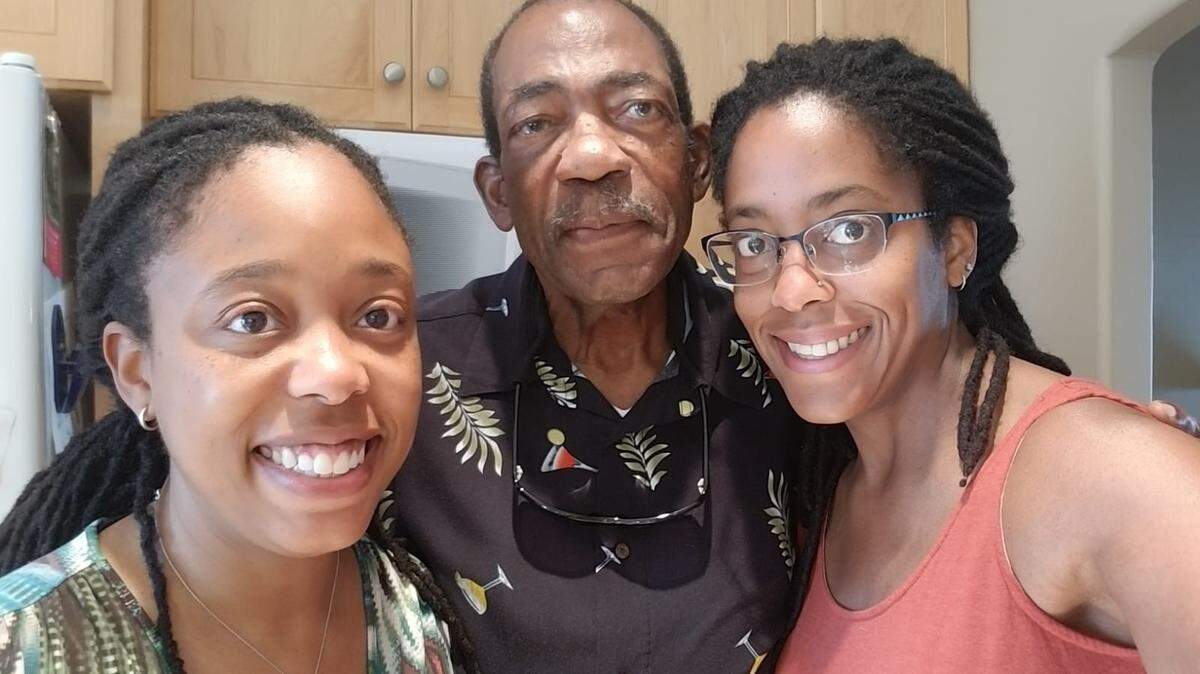
In 2017, Dennis Ennis was experiencing shortness of breath and feeling weak.
An EKG for a planned cataract surgery showed irregularities in his heart, and doctors thought the 72-year-old was having a heart attack.
But after a two-week stay in the hospital and several more stays that followed, the Boynton Beach resident was diagnosed with amyloid disease in early 2018. Cardiac amyloidosis disease causes deposits of an abnormal protein (amyloid) in the heart tissue or other organs. Ennis also learned he had pulmonary embolism and congestive heart failure, caused by the amyloid disease.
“The heart thickens and can’t pump enough blood,” said Dr. David Wolinsky, section head of Nuclear Cardiology at Cleveland Clinic, where Ennis receives treatment. “Fluid buildup in the lungs and arrythmia occur. Often people have cardiac amyloidosis for three to five years before being diagnosed or misdiagnosed with heart failure.”
_A%20(1_fitted.jpeg "Wolinsky, David (2015)_A (1_fitted.jpeg")
Severe amyloidosis can lead to life-threatening organ failure, which occurred with Ennis. His heart was enlarged three times the normal size and he was in stage 3 kidney failure, Ennis said. The Jamaican native underwent separate heart and kidney transplant surgeries in early 2019.
“I’m still in the recovery stage but I’ve feeling pretty good,” Ennis said.
Cardiac amyloidosis is the fourth-leading cause of heart failure in the Caribbean and African-American communities, Wolinsky said, with 3 to 4 percent of the cases stemming from people who carry the gene.
Heart disease is the leading cause of death for people of most racial and ethnic groups in the United States, including African Americans, according to the Centers for Disease Control and Prevention. Nearly 44 percent of African American men and 48 percent of African American women have some form of cardiovascular disease that includes heart disease and stroke.
And African Americans have higher mortality rates from heart disease — African Americans ages 18-49 are two times as likely to die from heart disease than whites, according to the CDC. And African Americans ages 35-64 years are 50 percent more likely to have high blood pressure than whites, the agency notes.
Given these statistics, cardio specialists are examining ways to reduce heart disease in higher-risk communities.
Dr. Jeffrey J. Goldberger, chief of the cardiovascular division at the University of Miami Miller School of Medicine, along with Dr. Leonardo Tamariz, professor of medicine at the medical school, are developing an algorithm to identify high-risk adults for sudden cardiac death (SCD).
They are also looking at social determinants such as race, ethnicity, income and neighborhood to determine if there are patterns that show higher risk.
“We don’t have the answers,” Goldberger said. “We have a lot of potential ways to address the issues and we need community support and research to get the answers.”
Some of the other factors they’re examining include access to healthy life choices, improved preventive medicine access and health literacy.
These are all attributes that play a key role in reducing the risk of heart disease in the Afro American and Afro Caribbean communities, said Dr. Arnoux Blanchard, program director of Broward Health’s cardiovascular fellowship program.
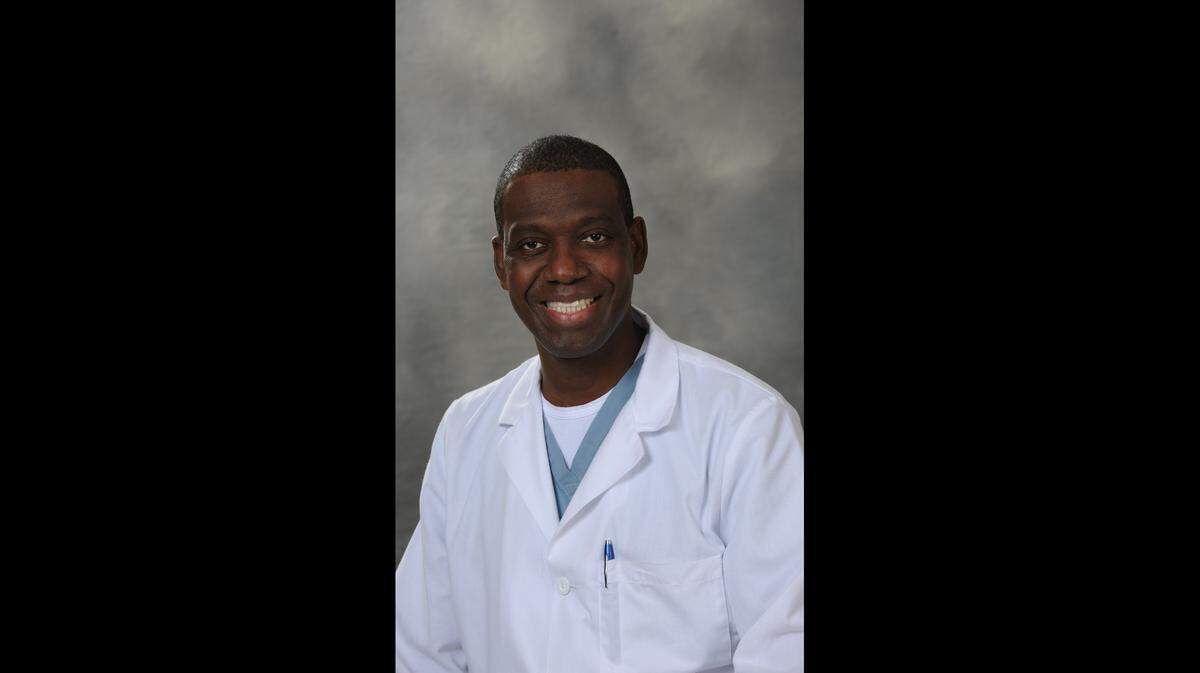
Communities that are in food deserts and don’t have access to healthy food choices found in grocery stores often have a high concentration of fast-food restaurants and convenience stores, Blanchard said.
“They have access to high caloric, affordable fast food,” Blanchard said. “We know now that plant-based diets with vegetables and legumes are more beneficial. Communities without grocery stores don’t have access to vegetables, so what they eat can be detrimental to their health.”
Lack of health insurance also means people don’t seek the treatment they need.
“If you have high blood pressure and diabetes but don’t health insurance, you have to pay out of pocket,” Blanchard said. “If a person has other financial obligations, they will focus on that because they feel fine and have no symptoms.
“By the time they have symptoms, they have to go to the emergency room,” Blanchard said. “In the black community, they tend to have more advanced disease in kidneys and heart, as well as damage in organs and have strokes early. All because they can’t see doctor on a regular basis to get recommendations for their health.”
Educating the community to empower themselves and increase health literacy can lower the risk of heart disease. Blanchard noted a 2018 study in the New England Journal of Medicine that showed that pharmacist-led programs in Los Angeles County barbershops in the black community significantly lowered high blood pressure.
“In the barbershops, you can meet young men and have workshops to let them know about prevention,” Blanchard said. “Also, speaking to elected officials about access to care, good water, and cleaning up the community to address inequalities.”
Increased representation of women and minority doctors in the community would also help people in the African American community to be more comfortable in the healthcare environment, Blanchard said.
“There is distrust in the black community,” Blanchard said. “They are suspicious of doctors and may be less compliant with following their recommendations.”
The distrust can be traced back to the 1932 Tuskegee experiments, a U.S. government study where nearly 400 black men were told they were receiving treatment for syphilis. In actuality, they never received treatment so researchers could study the effects of the disease. The study continued for 40 years.
But overall there is one social determinant that impacts health risks in the African American and Afro Caribbean community, Blanchard said.
“Poverty is the reason people get sick,” Blanchard said.
Ennis continues to regain his strength after undergoing his transplant surgeries. He said he no longer has pulmonary embolism, congestive heart failure, or amyloid disease but still carries the gene.
Doctors are monitoring his condition regularly for any return of amyloid disease. One of his two daughters was tested and found not to have the disease, which can be genetic.
Ennis had four siblings who all died four years in a row from congestive heart failure, with the last sibling dying in January 2019. They were never tested for amyloid disease.
Today, he walks two to three miles daily and his doctors cleared him early to take his first trip since having transplant surgery. Last December, Ennis took a three-week trip back home to Jamaica where he was even able to drive for two hours straight.
“The medical team thought I was well enough that I could go,” Ennis said. “Usually, it’s a year before you can travel. My recovery is going well.”
Jamaica has one of the highest incidences of amyloid disease, Ennis said. While in Jamaica, Ennis said he helped introduce a U.S. cardiologist and Jamaican cardiologist that were attending a conference.
Dr. Edward Miller of the Yale University School of Medicine said that he is working with Dr. Ernest Madu from the Heart Institute of the Caribbean in Kingston, Jamaica. The pair are in the process of creating a program to screen for hereditary cardiac amyloidosis in Kingston, as well as other sites in the United States, Africa and the United Kingdom.
“I want to spread the word as much as possible that amyloid disease exists,” Ennis said. “I give thanks to God for the medical team and for my recovery.”