
Want to be a weekend warrior? Start off slowly, doctors say
Carlos Salvador is more than a weekend warrior when it comes to exercise. He’s an athlete.
The 40-year-old from North Miami bikes, swims, lifts weights and runs.
But in 2015, while exercising, he started feeling irregular heartbeats, and it scared him. He was just 35 years old.
“You know your body. You know when something’s wrong,” he said.
While he knew “something” was wrong, he didn’t know quite what it was. He started living in a state of fear and eventually reduced his exercise to zero for two years. In the meantime, he went from doctor to doctor — a total of eight doctors — to figure out what was happening and if he could ever go back to exercising.
All of them told him his heart was enlarged and that he had an arrhythmia. He became afraid of exercising.
“I was constantly paying attention to my heartbeat and it gave me major anxiety,” Salvador said. “I did everything I could — I even changed my diet and became a vegan to see if that helped.”
Over the two-year period when he didn’t exercise, Salvador developed clinical anxiety and often felt depressed.
When he went to his ninth doctor, he got lucky. He saw Dr. Eli Friedman, medical director, sports cardiology, Memorial Sports Medicine Program. Sports cardiologists specialize in working with athletes who have heart conditions.

Because the heart is a muscle, it changes size when you exercise, also known as “exercise-induced cardiac remodeling (EICR).” And it’s important that doctors consider EICR when assessing an active person’s heart.
To Salvador’s surprise, Friedman said he had a normal athlete’s heart and he could go back to exercising. His heart was enlarged and thicker because it had changed shape and function as a result of exercising.
“I’ve been seeing Dr. Friedman for the last year and a half and it’s been night and day,” Salvador said. “I can exert myself without fear now.”
While Salvador still feels symptoms once in a while, Friedman has given him the confidence that the symptoms aren’t something to worry about.
“I know how Carlos feels about exercise because I’m the same way,” said Friedman, who considers exercising a huge part of his life.
Friedman grew up as an athlete and his father was a cardiologist.
“Both my parents were marathon runners,” he said. So in addition to having studied sports cardiology, he’s also lived it.
Do I need to get checked before starting exercise?
With New Year’s resolutions still feeling fresh, you may wonder, “Can I get up and go for a run, or should I see a doctor first?”
The truth is, according to the Mayo Clinic and doctors interviewed for this article, most people without health conditions are safe to start exercising without seeing a doctor — but start off slowly and increase intensity and duration over time, doctors say.
“Understand that the first two weeks are going to feel awful,” Friedman said.
But there are some people who should see a doctor first, medical experts say:
▪ You have an existing heart or lung condition
▪ You have type 1 or 2 diabetes
▪ There’s a history of heart disease in your family (Even though you’re feeling fine, you may have an undiagnosed condition based on your family history.)
▪ You have cancer or have recently been treated for cancer
▪ You have high blood pressure
▪ You have arthritis
You should also check with your doctor if you have symptoms that may be related to heart, lung or other serious diseases such as:
▪ Pain or discomfort in your chest, neck, jaw or arms at rest or during physical activity
▪ Dizziness, lightheadedness, or fainting with exercise or exertion
▪ Shortness of breath with mild exertion, at rest, or when lying down or going to bed
▪ Ankle swelling, especially at night
▪ A rapid or pronounced heartbeat
▪ A heart murmur that your doctor has previously diagnosed
▪ Lower leg pain when you walk, which goes away with rest
Now, let’s say you’ve read through this list and you’re all clear to go. But if you start feeling symptoms while exercising, doctors say to call it quits and follow up with a doctor.
Dr. Robert Myerburg, a cardiac electrophysiologist at the University of Miami Health System, warns, though, about getting checked out before engaging in vigorous exercise.

As a specialist in sudden cardiac arrest, he thinks that “a pre-participation EKG is important for everyone,” he said.
An electrocardiogram (EKG) is a test that measures the electrical activity of the heartbeat. It checks for signs of heart disease, and is used to detect heart attacks, arrhythmias (irregular heartbeats) and heart failure — conditions that can lead to sudden cardiac arrest.
According to the AHA, there are more than 356,000 out-of-hospital cardiac arrests annually in the U.S., nearly 90% of them fatal. Hence Myerburg’s suggestion for an EKG before exercising.
And while EKGs have been a part of the pre-participation exams for professional and collegiate athletes, that’s not the case with high school athletes. While Myerburg advocates for this testing at the high school level, other sports cardiologists argue the tests are costly and can produce false diagnoses, leading to fears for students and their families.
In addition to the issue of EKGs, Myerburg said more attention needs to be paid to recreational athletes since they heavily outnumber professional athletes. The American Heart Association recommends 150 minutes of vigorous exercise per week, which breaks down to just 30 minutes a day.
But, doctors say, starting small — say, five to 10 minutes a day — is better than nothing.
“Then work your way up from that,” Friedman said.
Dr. Tarak Rambhatla, a cardiologist with Miami Cardiac & Vascular Institute, part of Baptist Health South Florida, says an easy way to assess your current situation, is to “know your numbers,” a campaign by the AHA. Knowing your numbers is something everyone should do, independent of age or health status.
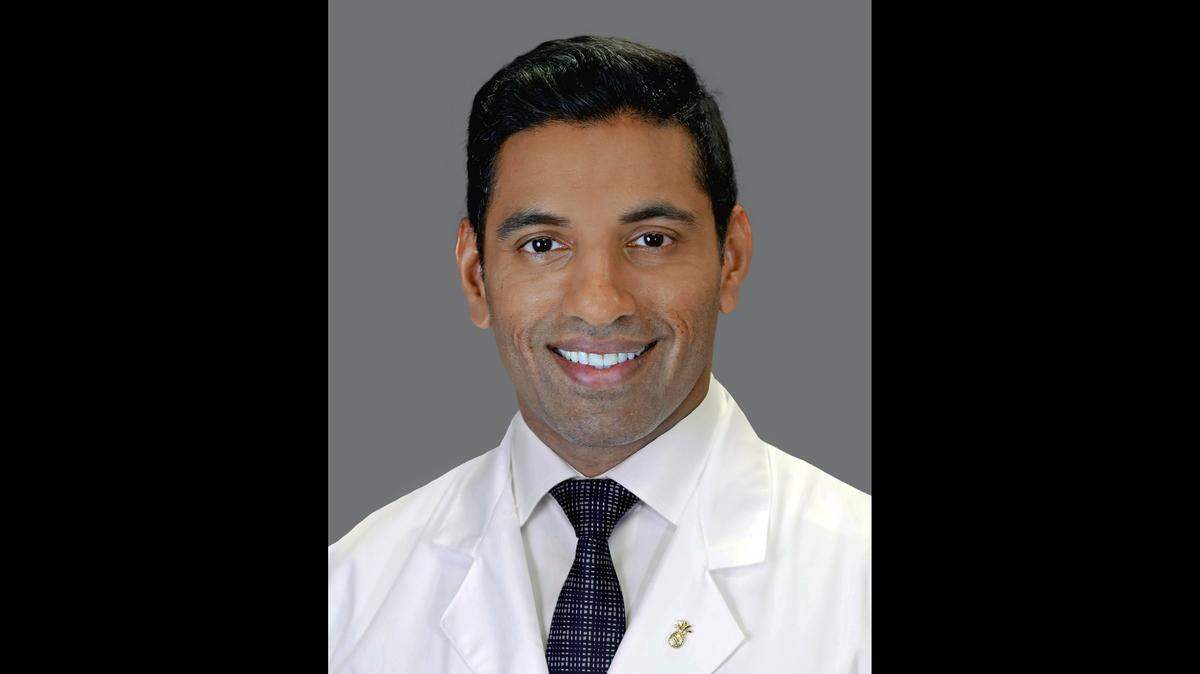
The key numbers to keep an eye on are:
▪ Blood pressure
▪ Cholesterol
▪ Body Mass Index (BMI), which is a measure of your body fat to weight
But what’s most important to acknowledge, is that even with most of these health conditions, a person can and should still exercise. Depending on your health status, it may just be good to get the doctor’s approval first.
Says Friedman: “Exercise is the best thing you can do for your heart. Exercise is a medicine. It’s a medicine everyone should be taking.”
This story was originally published February 23, 2020 at 8:30 AM.