Flu season off to a faster, ‘unusual’ start in Florida. Here’s what you need to do now
This year’s flu season has had its fastest start in Florida, and among other southern states and Puerto Rico, in 15 years, according to the Centers for Disease Control and Prevention.
“Seasonal influenza activity in the United States has been elevated for four weeks and continues to increase,” the CDC reported on Nov. 30 at the end of week 48 of the year.
Florida is one of the leading flu season states where “activity increased and remained above levels observed at this time in previous seasons,” according to the Florida Department of Health.
Last week, 16 flu outbreaks were reported in Florida, up from nine outbreaks reported during the previous week.
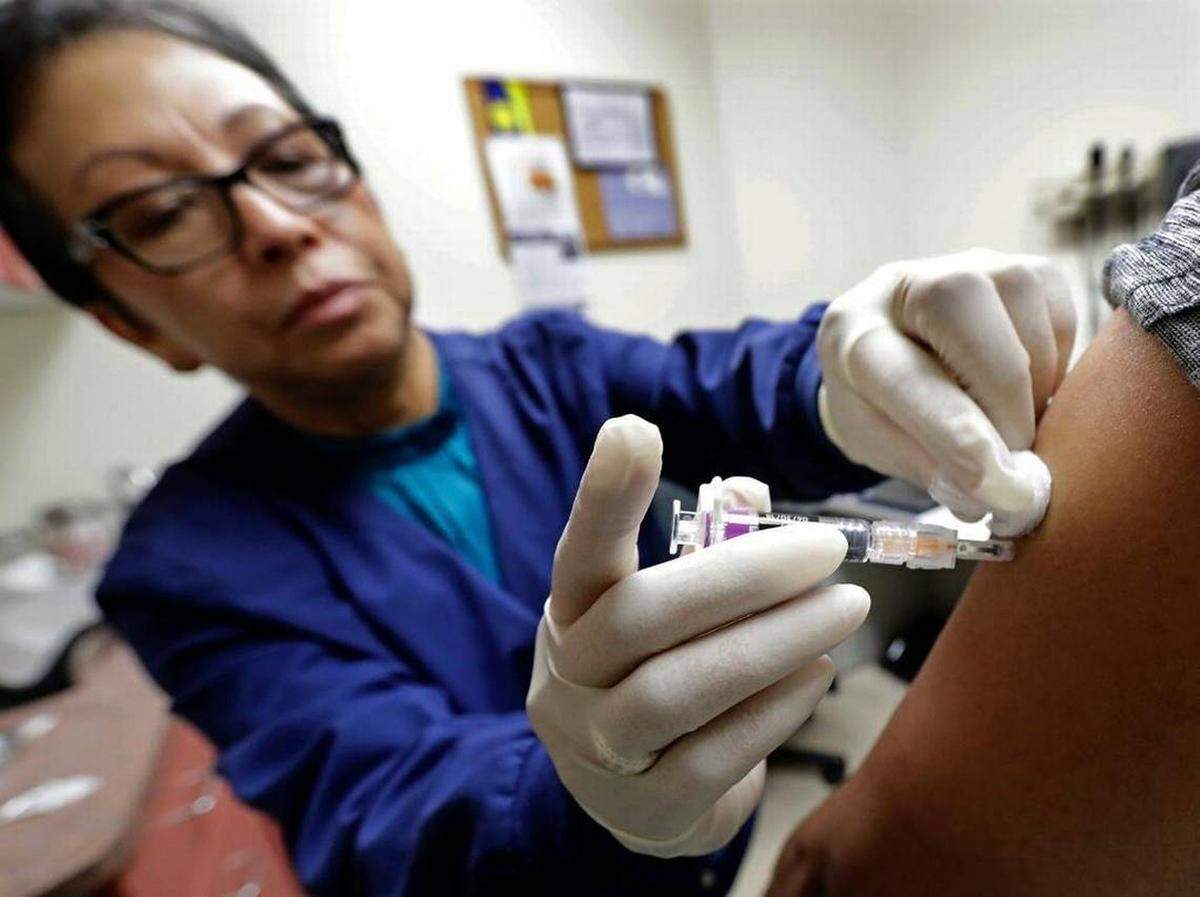
“Influenza and influenza-like illness activity remained particularly elevated in children for this time in the season,” the Florida Department of Health reported during Thanksgiving week. About one in 10 visits among children at participating emergency department and urgent care centers was for influenza-like illnesses, and the majority of influenza and influenza-like outbreaks were reported by facilities serving children.”
Flu’s fast clip is particularly felt in southern states like Louisiana, which saw its first jump in October, along with Georgia, Alabama, South Carolina. Tennessee, Texas, Minnesota, Maryland, Nebraska, Nevada, New Mexico and Washington also are above normal for this time of the holiday season.
Influenza B/Victoria viruses are the leading illnesses, “which is unusual for this time of year,” the CDC agreed. That variety usually doesn’t ramp up until the spring months of March and April, health experts say.
“H1N1 viruses are the next most common, followed by H3N2 viruses, which are decreasing in proportion. The flu season is just getting started; elevated flu activity is expected to continue for weeks. It’s not too late to get vaccinated. Flu vaccination is the best way to reduce the risk from flu and its potentially serious complications.”
Six children died of influenza-related illnesses in Florida last season, according to the Florida Department of Health. There have been no reported pediatric deaths in this current post-Thanksgiving bump, though, the department said.
“The last flu season to rev up this early was in 2003-2004 — a bad one. Some experts think the early start may mean a lot of suffering is in store, but others say it’s too early to tell,” the Associated Press reported.
“It really depends on what viruses are circulating. There’s not a predictable trend as far as if it’s early it’s going to be more severe, or later, less severe,” Scott Epperson, who tracks flu-like illnesses for the CDC, told AP.
What you can do to prevent the flu
So what should you do?
Get the flu shot. Now. Before you head out to Art Basel in Miami Beach this weekend. Before you continue holiday shopping next week. Before you start binge watching “Watchmen” on HBO. All of that can wait.
“Flu vaccination is the best way to reduce the risk from flu and its potentially serious complications,” said the CDC.
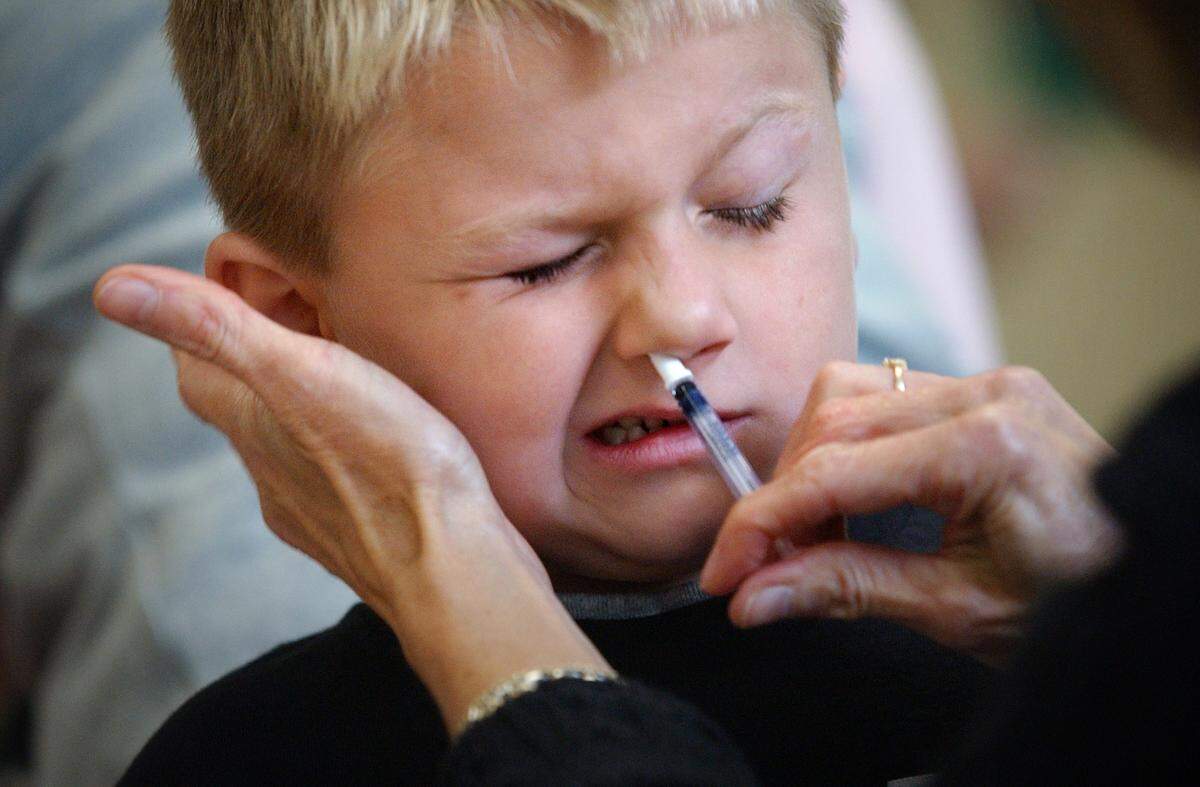
Those most at risk and who should particularly heed the advice to begin antiviral treatment are those individuals with confirmed or suspected influenza or those who are at higher risk for complications. According to the Florida Department of Health website, this includes:
▪ Children 2 and younger
▪ Adults 65 and older
▪ Pregnant women
▪ People with underlying medical conditions
“Please run, do not walk,” Dr. William Schaffner of Vanderbilt University Medical Center, said in the CBS4 report. “Get your vaccine as quickly as possible. You know it takes 10 days to 2 weeks for your body to make your full protection. We all know that the influenza vaccine is not a perfect vaccine. But remember this, even if you get vaccinated and get the flu, you’re much less likely to have the severe complications, pneumonia, hospitalization, and dying.”
Other things you can do:
Avoid people who are ill and practice good hygiene, the Centers for Disease Control and Prevention suggests.
Also, avoid touching your eyes, nose and mouth, and disinfect surfaces that may be contaminated by germs, the CDC suggests.
If you do fall ill, stay home and limit contact with other people to avoid spreading the flu.
Where to get a flu shot
Contact your primary care doctor.
The Florida Department of Health website links to a flu shot locator that lists numerous pharmacies at places like Publix, Walgreens, CVS, Winn Dixie, Walmart and others who are ready to administer shots. Most insurance companies will pay for the shot., and some sites will do it for free