
Drowning is the leading cause of death in young children. Water safety steps you can take
Yearlong warm weather in Miami means lots of time spent cooling off at the beach or pool. While spending time near the water can be fun for families, water safety needs to be a priority.
Drowning is the leading cause of death for children between 1 and 4 years old. It can happen quickly, quietly and during non-swim times. Fortunately, there are many ways to keep your children safe.
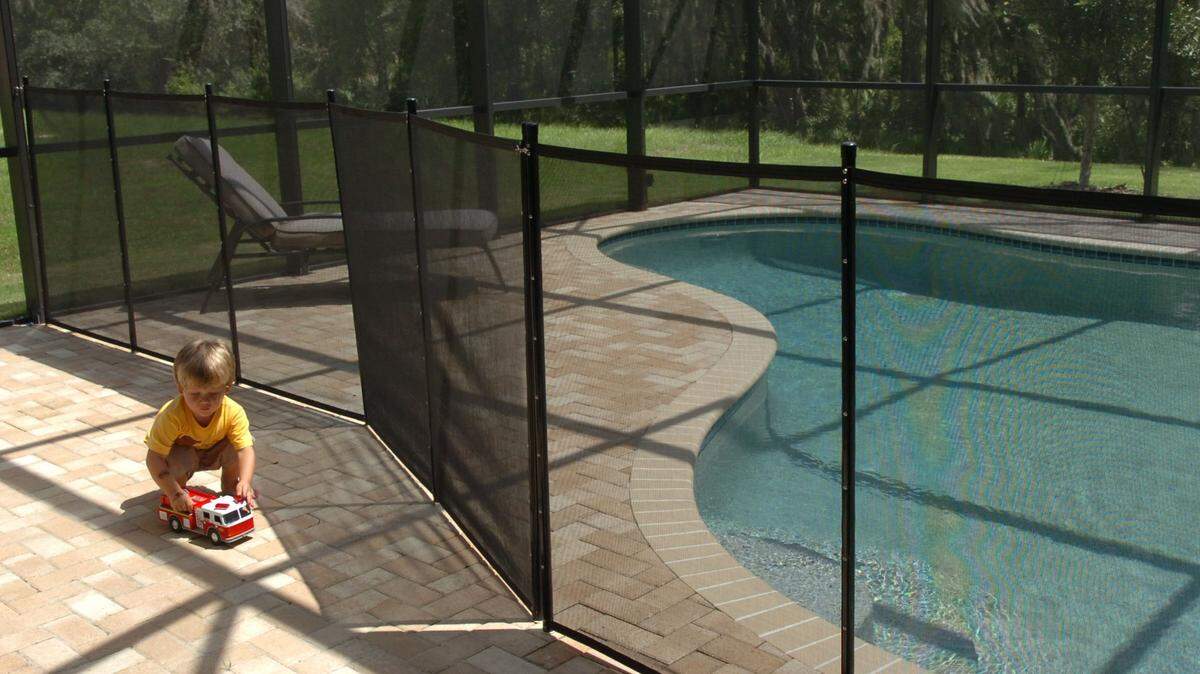
Fences around pools remain the most effective and proven way to prevent drowning of young children. Remember the rule of “fours.” The fence should be 4 feet high and encompass the pool on all four sides. Slats in the fence should be less than 4 inches so that children are unable to squeeze through.
Move all lawn furniture, toys or any other footholds away from the pool fence so that no child can climb on top of them to get over. Typical chain-link fencing is not recommended due to the large openings that can be climbed.
A self-closing and self-latching gate that opens out, away from the pool is recommended by the American Academy of Pediatrics. The latch should be out of children’s reach, ideally at least 54 inches above ground.
Gate alarms that sound when the gate opens or pool alarms that sound when water movement occurs can provide an additional layer of protection for your loved ones. Alarms on household doors that open to the yard with the pool are also advised, in case a child slips out unseen.
When having a fun day at the beach, assign an adult to be a “water watcher” who will pay constant attention to children in the water. This person should not be on a cellphone, reading a book or otherwise distracted. Even if there is a lifeguard present, the designated person should still supervise.
It’s important to switch off this duty with another adult in order to get breaks. Particularly for young children, an adult who is a good swimmer should also be in the water, within arm’s length of a child.
Other components of water safety include wearing life jackets while at the beach, pool or on a boat, having parents or caregivers trained in CPR and providing swim lessons to your child(ren).
The American Academy of Pediatrics’ Healthychildren.org has resources to help empower you to choose the best swim lessons for your family as well as more tips to keep your little ones safe. Keep in mind that all the safety precautions are still necessary even if your child can swim.
Gabrielle Fisher, M.D., is a pediatric physician in her third post-graduate year with the University of Miami Department of Pediatrics.