
Giving birth? Think about donating your baby’s cord blood to possibly save a life
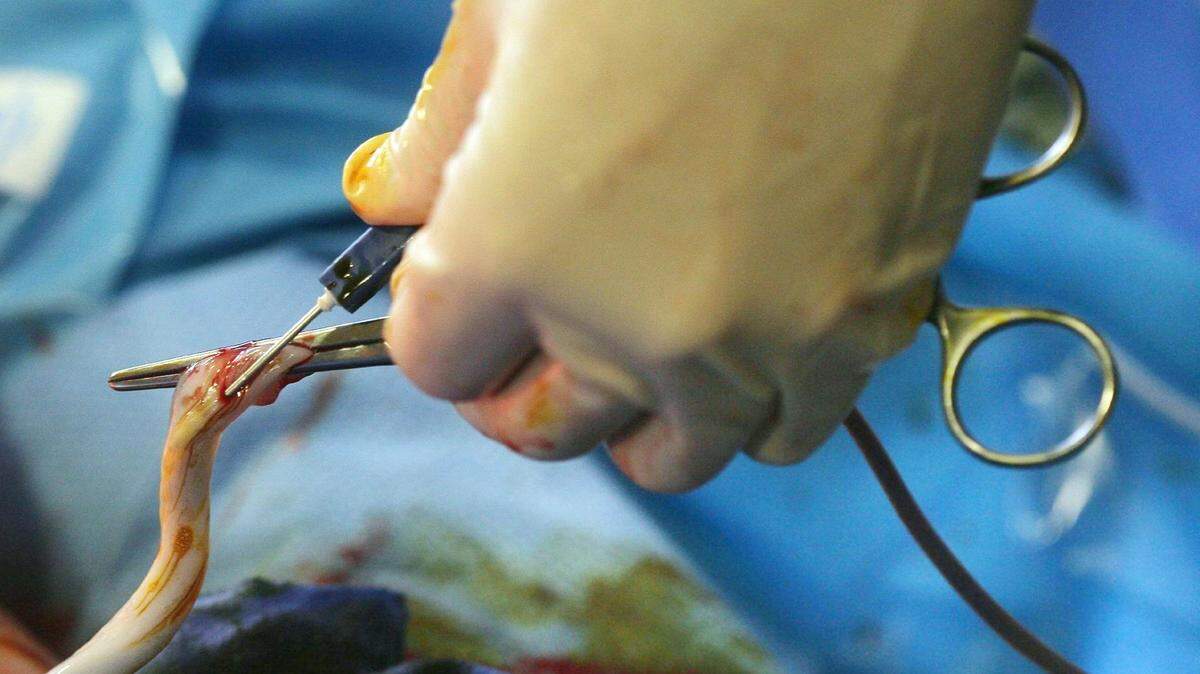
Having a baby can completely change your life.
Did you know, however, it could change someone else’s life if you consider donating your baby’s cord blood after he or she is born?
Cord blood is a rich source of hematopoietic stem cells, a unique group of cells similar to those used in bone marrow transplantation. The cells can be stored and used later in treating certain blood cancers, blood disorders, some immune deficiencies, and selected metabolic disorders in patients who are determined to be a match to the cord blood.
Despite the growing list of diseases that are treatable by umbilical cord transplants, misconceptions still abound. The lack of awareness among providers, expectant mothers and families is a major barrier that limits participation in donor registries.
Your doctor, nurse or midwife can easily do cord blood collection at delivery. Interested families need to discuss it ahead of time so the collection kit can be procured prior to delivery.
The procedure is painless and safe, and involves collecting the blood from the umbilical cord after the baby is delivered with a special kit. Therefore, it has no adverse effect on the baby.
There are private and public cord blood banks across the United States. Public cord blood banks do not charge a fee for storage. They are regulated by accrediting institutions and are used about 30 times more than private cord blood banks.
But not all hospitals accept cord blood donations. Thus, parents who plan to donate their baby’s cord blood to a public bank must make sure their child is born in a hospital that is set up for donations.
Private cord blood banks can store the cord blood for the donor family’s potential self-use, although keep in mind that your child’s cord blood may not save your child from a future life-threatening disease, as it may not be suitable.
Most private banks charge a one-time placement fee and an annual maintenance fee.
All mothers 18 and older can donate their child’s cord blood. There are some screening tests done to ensure the safest sample.
Hispanic and African-American families, in particular, may want to consider donating cord blood as they are underrepresented in the donor pool. This way, patients with similar backgrounds would have a better chance of obtaining a matched cord product.
For information on donating cord blood
▪ Parent’s Guide to Cord Blood Foundation (https://parentsguidecordblood.org/en/public-banking) and Be-The-Match Organization (https://bethematch.org/About-us/).
▪ You can donate cord blood at South Miami or Baptist hospitals in South Florida and Florida and Winnie Palmer hospitals in Orlando. For information on donating at these hospitals please contact Cryo-Cell International www.cryo-cell.com or call 800-786-7235. If interested in donation, the process should start before 34 weeks of pregnancy.
Dr. Claudia Landaeta is a PGY-3 Pediatric Resident with the University of Miami. Dr. Edward D. Ziga, MPH is an Assistant Professor of Clinical Pediatrics — Blood, Marrow Transplant & Cellular Therapy with the University of Miami Miller School of Medicine and also contributed to this article.
This story was originally published July 24, 2019 at 6:00 AM.