
What to do — and not do — if your child lies to you
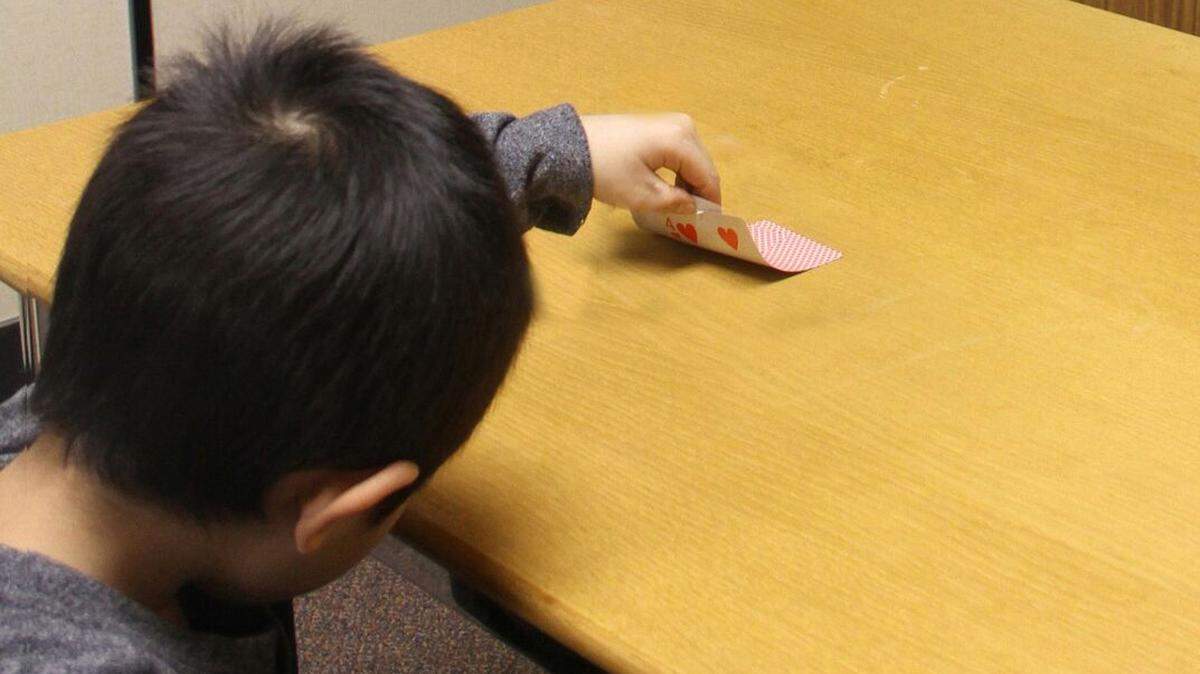
It’s a truth every parent faces: Kids lie.
And those fibs begin as young as 2, when toddlers vehemently deny they’ve done something you know they did. It can be as simple as a cookie they ate before dinner, a vase they broke — they blame on the cat — or a toy they took from a sibling. As kids grow and test boundaries, they also test new behaviors.
Children will lie to get something they want, avoid a consequence or get out of something they don’t want to do. They also lie to make themselves seem more impressive and to inflate their self-esteem. An occasional lie about homework, chores or toothbrushing, while aggravating, is not unusual as children mature, especially in the tween years when kids gain more independence.

The best response is to express your displeasure and stress the importance of honesty.
The following tips can help you navigate this tricky parenting challenge:
Consider the lie
Think about the circumstances behind the fib and the severity of the lie. Different levels should mean different repercussions. Toddlers, for example, shouldn’t get punished for truth bending, since they don’t fully understand that what they’re doing is wrong.
Tweens and school-age children, however, are another matter. Either way, make sure you discuss with your child clear rules and consequences about what’s acceptable behavior in your family.
Acknowledge and appreciate honesty
Praise your child’s truthfulness by acknowledging how difficult it must have been for them to tell you what really happened and how much you admire their courage. Similarly, let them know how disappointed you feel when they don’t tell the truth, and reinforce the notion of how lying can damage one’s credibility and relationships.
Avoid punishment
It’s hard for kids to be honest when they know a good tongue-lashing awaits them. Instead, create a safe environment by staying calm and focusing on solutions that will solve the problem instead of assigning blame.
Don’t call them out on the lie. Try to understand what made them feel they couldn’t be honest with you, saying “You must have been afraid to tell me the truth. Let’s talk about that.”
Not only will you get honesty, but you’ll most likely get information that may help you foster the truth in the future.
Reinforce unconditional love
The last thing kids want to do is disappoint their parents — they’d rather lie than have you think less of them. That’s why you need to let them know that while you might not like their behavior sometimes, there’s nothing that would change your love for them.
Watch your own white lies
Remember, young ears are always tuned in. So, whether you tell a story about why you can’t volunteer or fudge someone’s age so you can pay less at the movies, remember that your actions set the example for acceptable behavior.
Never call your child a liar
This makes kids feel bad about themselves and may set up a pattern of lying.