Want to manage your blood pressure and cholesterol? Then, exercise
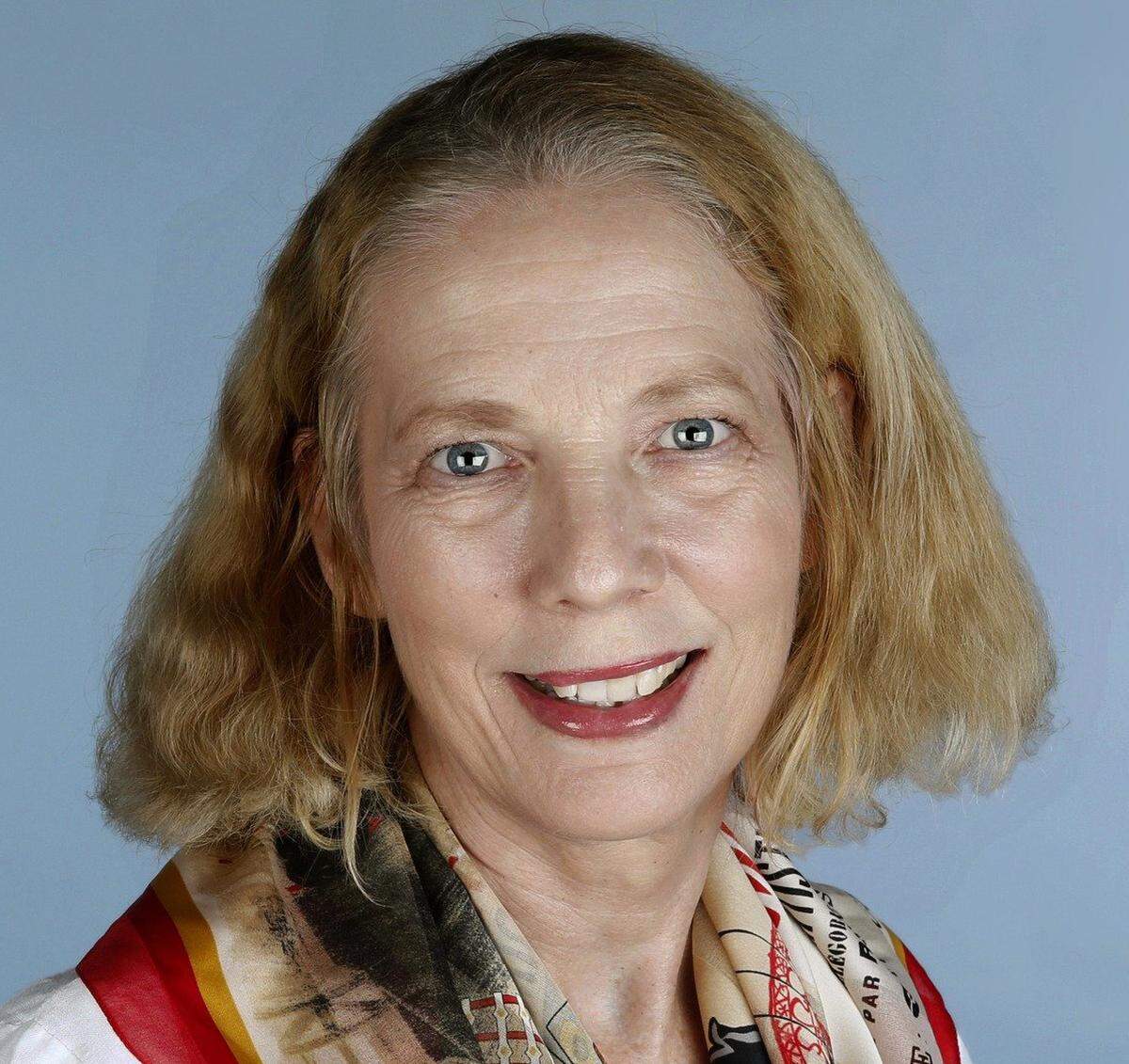
When Dr. Elizabeth Crocco turned 50 last year, she made a life-changing decision to get in shape. She was obese and felt tired all the time, but didn’t know where to begin.
“I was really fearful of exercising on my own given my age and that I had not exercised in a while,” said Crocco, a geriatric psychiatrist at UM’s Miller School of Medicine. “I was afraid I’d pull out my back or hurt my knee.”
She joined the Supervised Exercise Program at UHealth’s Fitness and Wellness Center last September. The 12-week program, located at UHealth’s Civic Center campus, requires clearance from a physician and features an in-depth evaluation and regular monitoring of vitals, metabolic function and body metrics.
An exercise routine is then designed for each participant based on their individual needs.
“I feel like a million bucks!” she said. “The level of energy that I have is amazing. I even sleep better,” she said.
The benefits of exercise are well documented, including managing blood pressure and cholesterol, two major contributors to heart disease, the leading cause of death for both men and women in the U.S.
Coronary heart disease, the buildup of plaque in the arteries, is the most common type of heart disease and accounts for 1 in 7 deaths, killing more than 366,800 people a year, according to the American Heart Association. Other risk factors for heart disease include family history, diabetes, smoking, obesity and a sedentary lifestyle.

Exercise can help prevent heart disease by boosting HDL, or “good” cholesterol, which carries fat away from the arteries to the liver for processing. Exercise can also lower LDL, or “bad” cholesterol, blood pressure and blood sugar.
The American College of Sports Medicine guidelines recommends 150 minutes of moderate-intensity activity per week, such as brisk walking, running, swimming, and biking. Any activity that gets the heart pumping helps.
“Moderate level aerobic exercise is very good for heart health,” said Dr. Tarak Rambhatla, cardiologist at Baptist Hospital’s Miami Cardiac & Vascular Institute. “I wouldn’t recommend going straight to a high endurance exercise program for someone who has not been active in a while. It’s more advisable to start with low-impact exercise and work their way up.”
Rambhatla advises individuals at risk for developing heart disease to at least get a basic checkup prior to exercising. In his practice he uses various tools to screen for heart conditions, including EKG, echocardiogram, cardiac CT, cardiac calcium scoring test, and various types of stress tests.
High-risk patients, such as those with a family history of heart attacks or sudden cardiac death, should definitely consider more advanced testing prior to starting a new fitness or sports program. Dr. Robert J. Myerburg, a cardiologist at the University of Miami (UM) Miller School of Medicine, started a clinic that specializes in genetic testing to evaluate individuals at risk for sudden cardiac arrest, including athletes.
In those patients, the underlying cause may be undiscovered heart defects or abnormalities, such as hypertrophic cardiomyopathy, an inherited condition in which the heart muscle becomes abnormally thick and is less able to pump blood efficiently. The condition can lead to life-threatening heart rhythm disturbances.
“If there is a history of close relatives dying suddenly, we can test family members for a number of different genetic disorders,” Myerburg said. “There is a small risk of sudden death in competitive athletes, and the hidden disorders can often be suspected from a pre-participation examination, including a screening ECG. If suspicion is high, genetic testing can also be done.”
Regardless of age or status of health, everyone should be aware of possible warning signs of a heart-related problem, such as chest pain, shortness of breath, numbness, tingling and dizziness.
At UHealth’s Fitness and Wellness Center, fitness specialist Michael Bello monitors his clients closely and applies a slow and steady approach to safely help them build endurance. The program is designed to improve cardiovascular health.
“Once you get your cardio pressed and ready, you can pretty much move forward with whatever fitness goals you have,” Bello said.
Crocco completed the Supervised Exercise Program last December and transitioned to the Weight Loss program, a more intense training that has her working out five to seven days a week. She’s lost 15 pounds so far.
“It’s not easy, but that’s what it’s all about if you want to improve,” she said. “You have to challenge yourself.”