
Valentine’s Day represents tragedy, loss for Parkland shooting survivors
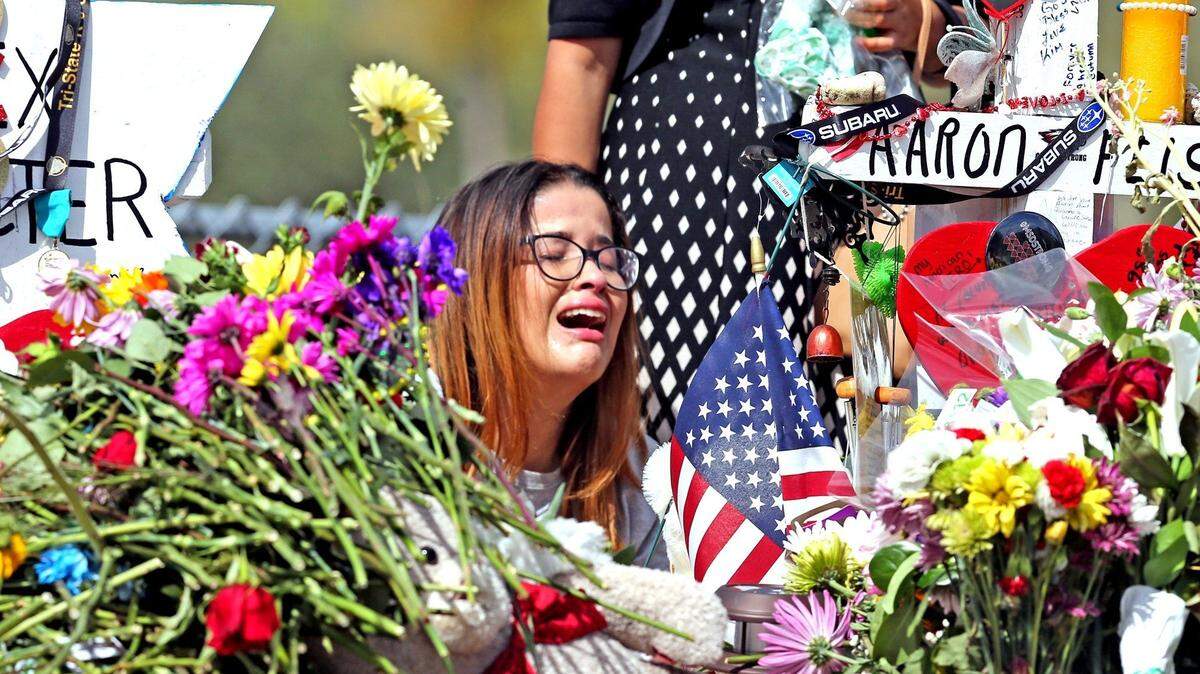
Valentine’s Day is typically represented by love, hearts and happiness. However, for the community of Parkland, instead of red hearts and love, the day represents tragedy and loss, as it is the first anniversary of the school shooting at Marjory Stoneman Douglas (MSD) High School. Last year, in the afternoon of Feb. 14, 17 members of the MSD family were brutally murdered by a sole shooter. As a result, the families, community, and school have not been the same.

As an alumnus, child psychiatrist, and resident of the neighborhood, I stand with the Parkland community as we try to minimize the trauma and help in any way we can. Across Parkland, there are signs on buildings, storefronts, and private residences displaying our motto, “MSDStrong.” These banners are powerful reminders that our community supports one another and that we will NEVER FORGET those who lost their lives one year ago. In the days leading up to this tragic anniversary, many are wondering what to do to lessen the pain.
To start, MSD High School has made Feb. 14 a day of community service. Instead of spending it attending classes, many students will serve breakfast to first responders, and others will work in the high school’s garden designed to help spread love and beauty instead of focusing on killing and hate. Parents are being encouraged to spend the day with their children in order to support and guide them through their emotions, as well as to reinforce the idea of making the day about love and caring instead of hate.
School shootings are super high-intensity traumas that have a great impact on people of all ages. Being a child psychiatrist, I frequently work with children who have been through traumatic life events, some anticipated while others quite surprising. The MSD massacre was something no one anticipated.
Many thought that the immediate aftermath was when most people would experience post-traumatic stress symptoms; however, anniversaries can be major triggering events for survivors as well as for individuals who have lost people close to them. Students, teachers, and parents should be aware that in the weeks leading up to the anniversary of the shooting, they might experience symptoms of anxiety, anger, fear, and depression. These symptoms may be related to unresolved guilt or sadness from the devastating loss of peers.
Symptoms similar to PTSD can occur, such as hypervigilance, jumpiness, irritability, anger, isolation, flashbacks, nightmares, and avoidance of reminders of the trauma (school refusal). Not everyone will have these types of emotional responses, but many will demonstrate their own set of emotions as the trauma of that awful day approaches.
Recognizing that the entire month of February may be difficult and not just the actual date of the shooting is important to remember. Those students who were in classrooms where the shooting occurred may encounter survivor guilt, which is the guilty feelings about being alive and having made it out of the massacre when so many others did not. Teachers may also have negative feelings about not having been more helpful in saving students and staff who were killed.
This is not just a time to be sad and struggle with grief, but also a time to discover a way of honoring those who were killed. The communities of Parkland and Coral Springs are sponsoring activities to honor those whose lives were lost like the Hero Run to help bring awareness to gun violence and survivorship. Doing something in honor of the 17 lives lost on Feb. 14, or even in the weeks surrounding the actual day, can be helpful in working through the conflicting emotions about the anniversary of the school shooting.
When it comes to tragic anniversaries, we should not expect or assume that the day will be typical. Students and families can try to reduce the outside stressors by planning how they will spend that day so that it is not as overwhelming. Some families are planning to go away that weekend, so they do not have to be surrounded by reminders of the anniversary.
Reducing use of social media or watching the news the week of the anniversary can also avoid accidental triggers of unwanted emotions. If you are in treatment, having additional sessions with your therapist or psychiatrist in the weeks leading up to the anniversary can also help. This is also an opportunity for parents to encourage their child to start seeing a therapist in order to manage the memories and emotions that the anniversary may bring up. Reaching out to friends and family when emotions are high and troubles appear devastating is very important.
Parkland will be grieving on Feb. 14 and along with many others, I will be mourning the 17 lives lost at the hand of the gunman. There is no doubt that this first anniversary will be difficult. Preparing for it and being aware of the multitude of emotions that can resurface will help us focus on peace, love, mental health, and gun control.
This story was originally published February 4, 2019 at 10:32 AM.