
Labor trafficking survivors offer stories of resilience
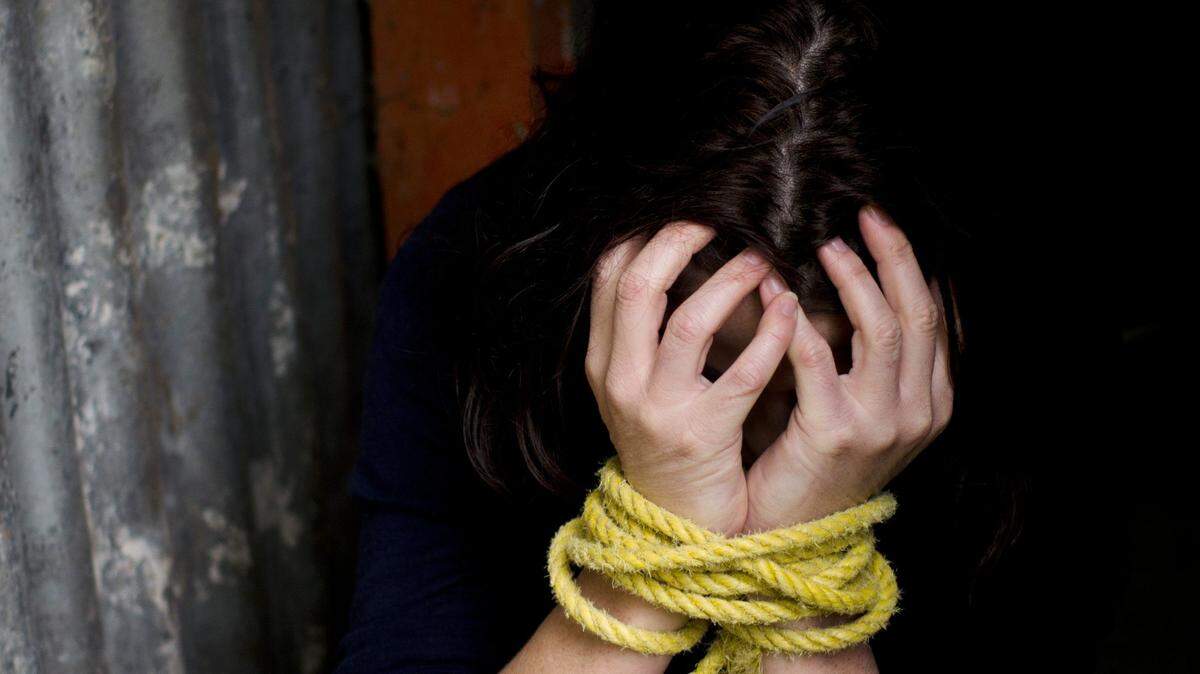
Maria (not her real name) is a timid, petite young woman from Central America. As a child, she was a victim of sexual abuse at the hands of a family member. When she turned 18, she moved to the Caribbean with a promise of a job in teaching — her lifetime dream.
However, her dream soon turned into a nightmare when her new “employer” locked her in his house and forced her to work up to 16 hours a day doing household chores.
Maria was physically and emotionally abused. Her belongings — including cellphone, and passport — were confiscated, and she was threatened that her family members would be harmed if she tried to leave. She was cut off from any communication with the outside world. Maria’s “employer” would berate her if he “found a dirty spot” in his house and used coercion, emotional, physical and economic abuse to further isolate Maria and force her to work against her will. She endured 12 years of forced labor before fleeing to the United States.
Maria is a person, not a statistic. Survivors of labor trafficking live amongst us.
Human trafficking, often termed “modern-day slavery,” affects millions of people around the world. Florida ranks third in the U.S. for reported cases of human trafficking, according to the National Human Trafficking Resource Center Hotline (NHTH). In 2012, the International Labour Organization estimated 20.9 million women, men and children were coerced or deceived into accepting jobs they were later not able to leave.
In 2018, the NHTH reported that out of the estimated 5,000 calls it received on the hotline, one fifth were related to labor trafficking, or a combination of sex and labor trafficking.
The top industries for labor trafficking are domestic work, traveling sales crews, agriculture, restaurant and food services, and begging rings. All are industries commonly found in South Florida and have reputations for being under-regulated and underpaid.
Survivors of labor trafficking may encounter multiple barriers for self-reporting, including feelings of guilt, shame and self-blame, fear of retaliation by their traffickers, lack of transportation, and a lack of understanding of their rights. They may suffer from both physical and emotional scars. Physical issues may include muscle weakness, dehydration, malnutrition, poor dental hygiene, unexplained bruises, and injuries related to being exposed to unsafe water or harmful chemicals.
Due to the events they experience, there is an increased risk of developing mental health issues such as post-traumatic stress disorder (PTSD), depression, anxiety, substance abuse, and self-harm. This risk is related to multiple factors, including a history of abuse prior to trafficking, duration of trafficking, violence and restrictions on movement while trafficked, and poor social support after escaping trafficking.
There are resources available for trafficking survivors. Financial, housing, and legal aid can connect survivors to services to help address basic needs. And a combination of medication management and psychotherapy methods such as cognitive behavioral therapy, cognitive processing therapy, and prolonged exposure therapy may provide relief for psychiatric symptoms.
Maria experienced symptoms of PTSD. She would frequently have nightmares about her “employer” yelling at her and mistreating her. She had difficulty trusting others and was fearful of being re-victimized. Fortunately, with years of psychiatric treatment, these symptoms began to improve.
Today, Maria is thriving. She was able to secure a full-time position through a nonprofit organization, which provides gainful and safe employment to vulnerable populations. She feels proud of her work and being able to contribute to the community that gave her a second chance. She is renting her own apartment and is proud of her independence.
Calling for help
If you have been exposed to trafficking, services are available in South Florida. You can contact the University of Miami THRIVE (Trafficking Healthcare Resources and Intra-Disciplinary Victim Services and Education) Clinic at 305-243-1046. THRIVE is a trauma-informed, survivor-centered, multi-disciplinary, collaborative, comprehensive care clinic where survivors can access medical, mental health, social work, ancillary and peer support services. Miami-Dade State Attorney’s Human Trafficking Hotline may also be contacted at 305-350-5567.
If you have been trafficked or suspect a potential trafficking case, the National Human Trafficking Hotline is a toll-free number available 24/7 that can assist with safety planning, emotional support, emergency services, specialty health services and/or law enforcement. To obtain help, call the hotline at 1-888-373-7888 or text BeFree (233733).
This story was originally published January 18, 2019 at 5:14 PM.