
UM studies how Alzheimer’s disease also affects loving caregivers

When a loved one suffers from Alzheimer’s-related memory loss and cognitive impairment, it can be a severe burden for family members.
In fact, approximately 15 million Americans provide unpaid care for someone with memory loss.
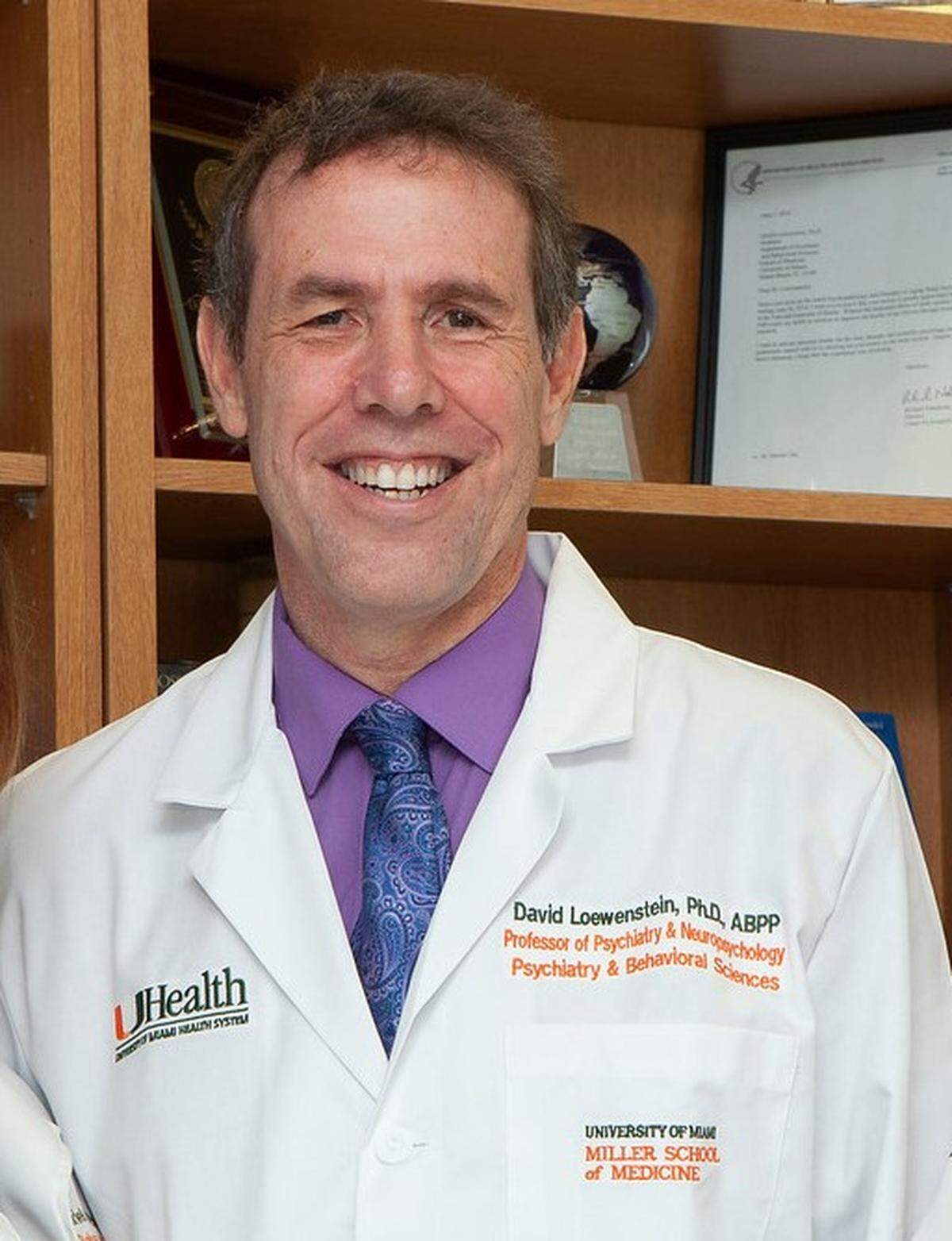
The desire to avoid institutionalization has inspired the University of Miami Health System to participate in the Care Partners Program, a 12-month study funded by the National Institute on Aging at the National Institutes of Health. The program helps caregivers learn skills that help improve patience and adaptive capabilities.
Historically, physicians have focused concern on the person showing early signs of Alzheimer’s disease. Less appreciated, however, is the large burden caring for them places on their caregiver.
The Care Partners Program explores ways to help caregivers meet the everyday challenges of having someone at home with early-stage Alzheimer’s disease or other memory-related conditions. Caregivers will learn strategies to reduce stress, enhance caregiving skills, and improve overall well-being. Loved ones with early Alzheimer’s disease will receive cognitive training and mental stimulating exercises.
The goals of the study include reducing caregiver burden, lowering any symptoms of depression among caregivers, and helping people delay the placement of a loved one in an institutional setting.
The study plans to enroll a diverse population of 240 patient/caregiver pairs in the research — 80 Caucasian, 80 Hispanic and 80 African-American patients with early signs of memory loss and their caregivers. Hispanics are almost one and a half times more likely to have Alzheimer’s disease or another dementia compared to Caucasians; African Americans are almost twice as likely.
Reducing the disparity in accessing needed services and support is an additional goal of the program. Participants will gain access to web-based skill building sessions, videos from experts, and virtual support groups, as well as information and tips on caregiving-related topics.
Participants receive a Wi-Fi-enabled laptop. All study-related activities take place at home, making participation more convenient. Eligible candidates include those living with or in close proximity to loved ones with memory issues and who have provided care for at least eight hours a week, for the past six months or longer.
The research study is being conducted at the University of Miami Miller School of Medicine, in collaboration with Weill Cornell Medical College.
The Miller School of Medicine is the only research site in Florida, and Weill Cornell is the only research site in New York.
For more information or to refer a patient and caregiver pair to the study, call 305-355-9200 or email coainfo@med.miami.edu.
This story was originally published November 5, 2018 at 10:40 AM.