
Harmful algae bloom: red, blue and you
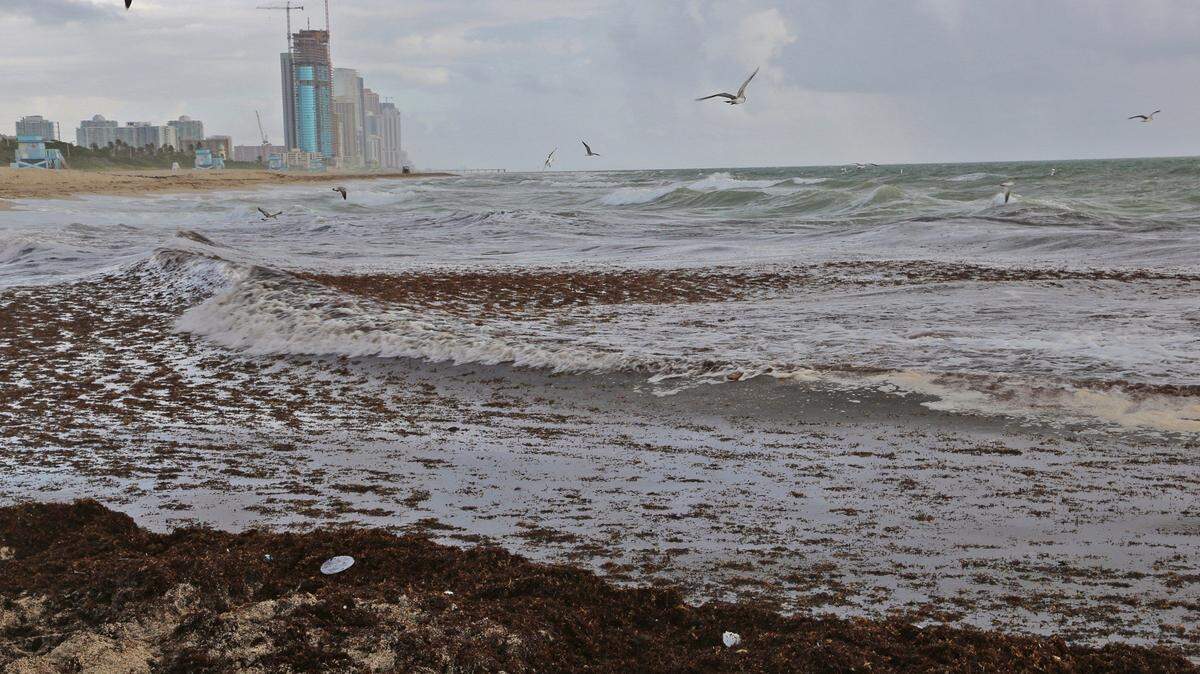
South Florida is now facing an environmental health challenge more familiar elsewhere in the state: toxic algae. While these microorganisms are always present in our marine and freshwater environments, a combination of temperature, currents, salinity and nutrients can allow them to rapidly reproduce, or “bloom.”

During a bloom, these algae cells can number above one million in a single liter of water. In these cases, the water can become brown, green or even red, where Florida’s “red tide” gets its name. When the blooms involve toxic species, the bloom is called a “harmful algal bloom” or HAB. Dr. Richard Weisman, director of South Florida’s poison control center, notes that these blooms can be of particular concern for parents of children with respiratory conditions or serious allergies.
Even without a visible red tide, beachgoers in areas with detectable cell counts may feel the effects of red tide toxins, which rise into the air and are blown onshore. According to Dr. Jeffrey Bernstein, medical director of the poison control center, “Most people will be able to go to the beach and carry on normal activities, much as they do on smoky days from Everglades fires. People may notice irritated eyes, runny nose, sneezing and coughing.”
Children are likely to feel effects at lower concentrations than adults do given their smaller size, as with any poison. Children with asthma, cystic fibrosis, or who have an active or recent respiratory infection are most likely to have more serious symptoms. These might include labored breathing, coughing fits and chest pain. If a child ingests water with high red tide cell counts, they may experience nausea, vomiting and diarrhea.
Families living in Broward and Palm Beach may also have to contend with blue-green algae blooms in local freshwater canals. Kids living near these blooms are less likely to feel respiratory effects than from red tide, but they should not be allowed to swim, boat or water ski through the blooms. Pets should also be kept out of water with a blue-green algae bloom since drinking contaminated water is extremely dangerous, even potentially deadly.
Tips for reducing exposure for the whole family include the following:
- If anyone is having symptoms of red tide or blue-green algae sensitivity, avoid the beach or the affected canal(s). Toxins from red tide can be felt up to a mile from the beach on a day with an onshore breeze. If you choose to swim, avoid swallowing the water.
- Use the air conditioning consistently and keep windows closed at home. Change filters more frequently (perhaps weekly instead of monthly) during intense bloom periods.
- Use the “recirculate” feature on your car’s AC to avoid bringing in outside air.
- Don’t increase use of inhalers or medication unless your child has noticeably worsened symptoms. Over-the-counter antihistamines may not completely resolve symptoms since the effects are caused by toxins, not histamines.
- Rinse eyes with “artificial tears” eye drops during the day and right before bed.
- Kids with high sensitivity should shower and wash their hair before bed to minimize overnight exposure.
- The poison control center at UM/Jackson is available 24/7 at 1-800-222-1222 to answer any questions related to harmful algae blooms and/or to assess a child’s symptoms. Calls are free.
Climate scientists tell us that the East Coast blooms are unlikely to last long, but in the meantime, you can get updates on the water quality near you by visiting myFWC.com/redtide and floridadep.gov/AlgalBloom. To learn more about these organisms and their health effects, visit the Florida Department of Health, https://hrld.us/2P2Dkkl
This story was originally published October 16, 2018 at 1:31 PM.