Your First Omakase in Miami: A Guide to Etiquette, Pricing and Tipping
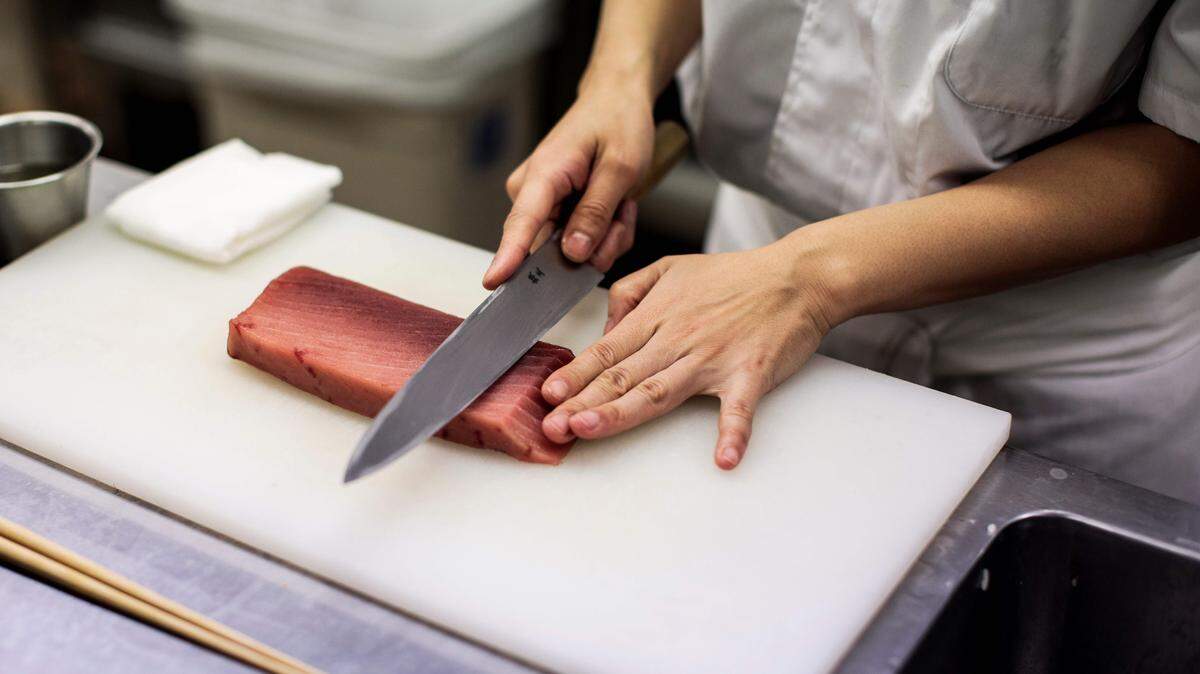
Omakase counters are popping up across Miami at a remarkable clip, from Brickell high-rises to Wynwood warehouses to Miami Beach hotel lobbies. If you have been eyeing a reservation but feel intimidated by the price tag, the chef interaction or the unwritten rules, here is what to know before you sit down.
Trust the Chef — That is the Whole Point
The most important rule of omakase is trusting the chef. If you are a picky eater, this may not be the experience for you.
The term omakase literally means “I leave it up to you” in Japanese. As the Michelin Guide explains, “Aside from cases where a guest has an allergy or intolerance to a specific ingredient, an omakase chef determines at the spur of the moment what will appear on the plate. This is typically driven by the ingredients available to them, which are customarily selected based on both quality and seasonality. That being said, the philosophy of the chef will also guide what they serve, and this is important for diners to keep in mind. The omakase experience can vary dramatically depending on the philosophy and cooking style of the chef.”
If you have allergies, let the restaurant know when booking — not when you arrive. The chef needs the heads-up to accommodate.
In most cases, extra soy sauce or wasabi should not be added to the sushi pieces. The chef already seasons each piece with what they consider the perfect amount.
It’s an Experience, Not Just Dinner
At a Miami omakase counter, you are paying as much for the show as the fish. Watch the chef prepare each piece in front of you. Talk to them. Tell them when you really love something, and feel free to respectfully ask questions about what you are eating. Counter conversation is part of the appeal.
Know the Cost — and the Tipping Rules
Omakase experiences often range from $100 to more than $500 per person. Some of Miami’s higher-end counters land at the upper end of that range, especially when paired with sake or wine flights. Ask the price in advance and clarify whether drinks are included, available à la carte or offered as an additional package.
Tipping deserves special attention here. In Japan, you do not tip at omakase counters. In most of the United States — Miami included — a generous tip of 20% or more is the norm, since omakase is considered a luxury service. Some counters explicitly opt out of the tipping convention. Counters in the U.S. will generally specify “no tipping” on their website or reservation form if it is not expected. When in doubt, ask.
Timing Matters
Arrive a few minutes early. Lateness can disrupt the chef’s flow, and some counters may not admit you if you are late. Most omakase experiences offer 10 to 20 unique pieces of sushi, often called “courses,” and run anywhere from one hour to two and a half hours. Do not book a show, a Heat game or a dinner reservation immediately after — you do not want to be rushing the chef.
Basic Etiquette
A few omakase etiquette rules to keep in mind:
- Each piece should be eaten in one bite, immediately after it is placed in front of you.
- Using your hands or chopsticks is appropriate in the U.S. In Japan, hands are the norm.
- Eat a piece of ginger between each course to cleanse your palate for the next one.
Miami’s omakase scene is still growing, with new counters opening throughout the area. Whatever your first stop, the rules are the same: show up on time, trust the chef and savor each bite.
This article was created by content specialists using various tools, including AI.