Mastering the Art of Solo Dining: How to Eat Alone at Miami Restaurants Without Feeling Weird
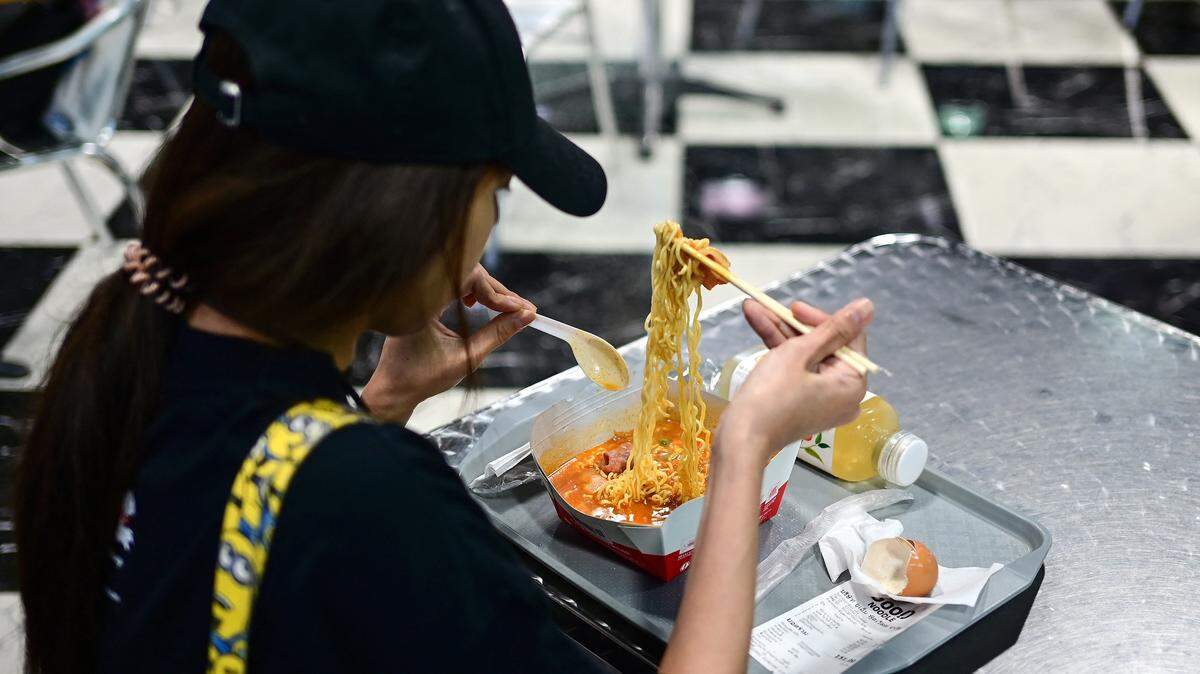
Solo dining is far more common than people think — and in a city built around counter seating, ventanitas and bustling bar scenes, Miami may be one of the easiest places in the country to do it.
Consumer research from OpenTable and KAYAK found that 60% of those surveyed had dined solo at a sit-down restaurant in the past 12 months. If you’re feeling self-conscious, remember that most people in the restaurant are too focused on their own meals and conversations to notice or care that you’re alone.
Solo dining is even standard practice in many cultures, like in Japan, where it’s called “ohitori-sama.” Miami’s own dining traditions carry a similar ease. Grabbing a cafecito and a sandwich at a Calle Ocho ventanita or pulling up a stool at a counter in Wynwood are experiences built for a party of one.
Whether you’re a local professional on a lunch break in Brickell, a business traveler in town for an event at the Miami Beach Convention Center or a resident ready to try that new spot without waiting for friends to commit, here’s how to make solo dining feel natural.
Pick the Right Seat and Restaurant
Ask for the bar, counter or a window seat. The bar gives you the chance to chat with the bartender or others sitting next to you if you want to. Avoid requesting a booth or large table meant for groups — you will likely feel awkward, and the waitstaff may be unhappy with one person taking up a large space.
Casual restaurants, ramen spots, sushi bars and diners are inherently the most solo-friendly. White-tablecloth establishments are less common to visit solo, but still doable. Miami has no shortage of options, from the ramen shops and food halls in the Wynwood Business Improvement District to sushi counters along South Beach.
Give Yourself Something to Do
Bring a book, a podcast or a show to watch. Scrolling your phone aimlessly can feel awkward — pick a real activity you’ll enjoy.
“I’ll occasionally bring something to read so that I’m not faced with the awkward decisions of what I should be looking at or doing with my hands while waiting to order or for food to arrive. I also might take notes on inspirations from the meal or service elements that I found notable. […] Books also reinforce the ‘I don’t want to be bothered’ vibe,” Greg Baker shared with Food & Wine.
Journal or work on something simple like a crossword puzzle. Putting everything away and people-watching can be equally enjoyable once you’re comfortable — and in Miami, the people-watching alone is worth the trip.
Reframe Your Mindset
The more you do it, the easier it gets. Most regular solo diners say discomfort fades after the first few times trying it.
During Miami’s peak tourism and conference seasons, restaurants fill with business travelers and visitors dining on their own. You’re far from the only one at a table for one.
Final Tips
Order what you actually want — remember it’s your meal, your rules. Tip well and be friendly with the staff. It makes the experience feel more social and keeps the door open for recommendations you might not find on your own.
The next time you’re thinking of dining solo, take the plunge and try it out. The experience will likely surprise you for the better.
This article was created by content specialists using various tools, including AI.