
Why Premium Hot Chocolate Is the Winter Drink Americans Can’t Get Enough Of
AI-generated summary reviewed by our newsroom.
- Premium hot chocolate sales surge; market projected to reach $6.43B by 2032.
- Consumers pay more for single-origin cocoa, ethical sourcing and European-style drinks
- Premium hot chocolate sales surge as consumers buy artisanal, single-origin cocoa
The creation of this article included the use of AI and was edited by journalists. Read more on our AI policy here.
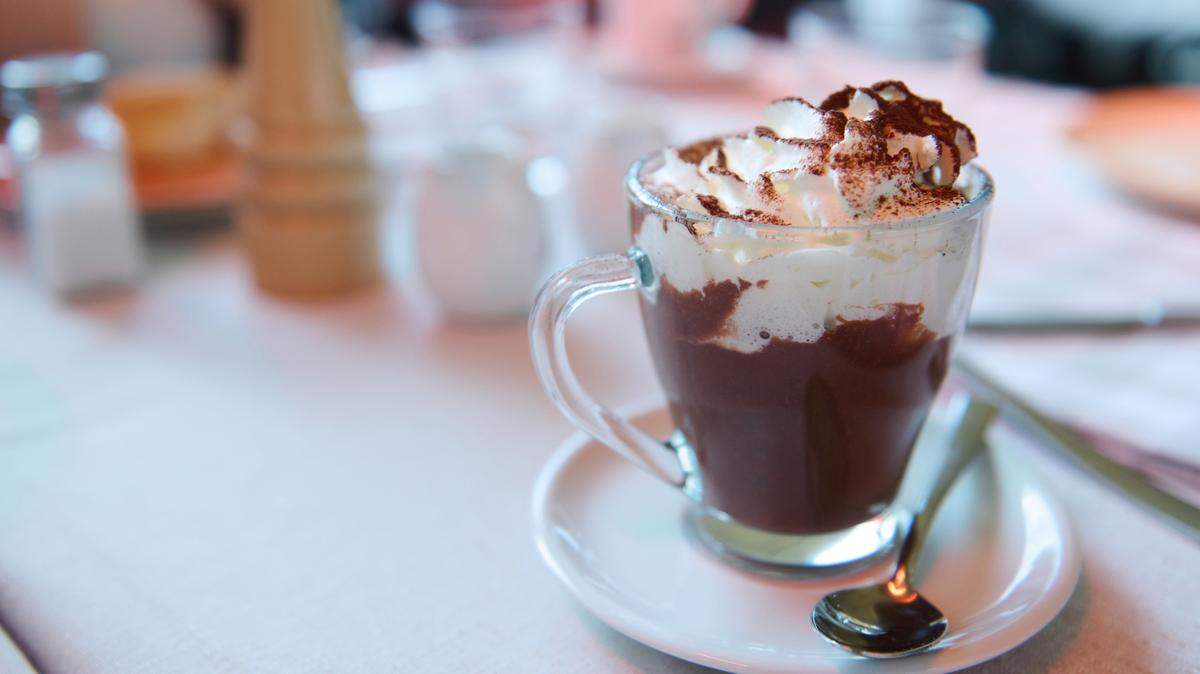
Move over, instant cocoa — premium hot chocolate is having a moment. Once a childhood staple, hot chocolate is now the star of sophisticated winter gatherings as Americans swap powdered mixes for rich, artisanal experiences. In fact, sales of hot chocolate mixes are one of the fastest-growing beverage categories this season.
The Rise of Artisanal Hot Chocolate
This transformation isn’t just about nostalgia. The hot chocolate market is expected to reach $6.43 billion by 2032, with premium and artisanal brands leading the way. More consumers are willing to pay extra for quality such as single-origin cocoa, ethically sourced beans and rich, European-style drinking chocolate.
Artisanal hot chocolate even made it to Oprah’s list of favorite things, a reflection of its growing popularity as people crave comfort but also want to know where their food comes from. “When it comes to hot chocolate, I trust Gayle, who loves … vanilla bean, classic and cinnamon flavors,” Winfrey said.
What’s Behind the Premium Shift?
- Quality Ingredients: Shoppers are seeking out single-origin and high-cocoa-content chocolates, often with transparent sourcing and ethical certifications like Fair Trade or Rainforest Alliance.
- Sustainability: Brands are building direct trade relationships with cacao farmers, ensuring better pay for growers and fresher, higher-quality products for consumers.
- European Inspiration: Thick, velvety drinking chocolates — long a European tradition — are now popping up in American cafes and kitchens.
The Hot Chocolate Bomb Craze
If you’ve scrolled Instagram lately, you’ve probably seen the viral hot chocolate bomb trend. These chocolate spheres burst open with marshmallows and cocoa when hot milk is poured over them, making for a fun, shareable treat. Today’s options go far beyond classic milk chocolate, with flavors like lavender white chocolate and spiced Mexican chocolate for adventurous sippers.
Healthier, Functional Hot Chocolates
Premium doesn’t always mean indulgent. About 30% of new hot chocolate products feature wellness ingredients including adaptogens, collagen or plant-based milks. Brands like Four Sigmatic lead the way with blends that promise both comfort and functional benefits, such as stress relief or immune support.
How to Spot Quality Hot Chocolate
- Cocoa Content: Look for products listing a high percentage of cocoa and minimal additives.
- Processing: Dutch-processed cocoa is smoother and less acidic, while natural cocoa offers a fruitier profile.
- Ethical Labels: Certifications like Fair Trade or Rainforest Alliance signal responsible sourcing.
- Preparation: For the best results, use a milk frother and try European-style drinking chocolate for a thicker, richer texture.
Small Producers, Big Impact
Small-batch chocolatiers are shaking up the market by focusing on craft, transparency and direct trade. Brands like Dandelion Chocolate and Raaka Chocolate share the stories of their cacao farmers and emphasize ethical sourcing — values that resonate with today’s consumers.
Beyond the Mug: Pairings and Presentation
Premium hot chocolate isn’t only a drink, it’s also an experience. Enthusiasts are pairing it with desserts, cheeses and even spirits. Hot chocolate bars are becoming a hit at winter parties, turning a simple treat into the centerpiece of social gatherings.
The Bottom Line
Hot chocolate’s evolution from pantry staple to artisanal indulgence reflects consumers’ appetite for everyday luxuries that are delicious and meaningful. With its blend of quality, sustainability and wellness, premium hot chocolate is more than a trend — it’s a new winter ritual.
This story was originally published November 26, 2025 at 12:00 PM.