What happened inside the iconic Forge in Miami Beach? Oh, the stories through the years
.JPG "Shareef and Al Malnik, left to right, father-son owners of The Forge in the restaurants wine cellar on Miami Beach on Friday, May 22, 2015")
The place has history.
There was a casino upstairs in the ‘30s. It’s been a gathering spot for rat-packers and mobsters, for wealthy, wine-loving diners, a hangout for the young, beautiful people looking to see and be seen.
And, oh, the food and the wine.
The place has reinvented itself every decade or so. Now it seems like it’s going to once again.
The iconic Forge restaurant in Miami Beach is at a crossroads. Its contents are up for auction. Is it closing? Or going through another metamorphosis? The next step is unclear.
So what better time than to look through the Miami Herald archives at the history of The Forge? Here we go.

Q & A with the owners
Published June 20, 2015
Shareef Malnik got his steakhouse start by peeling potatoes and flipping hash browns as a teen at his father’s The Forge in Miami Beach. He and his father, Al, men spoke with the Miami Herald about working together, adapting to changes in life and in restaurants, Father’s Day plans and more. These are edited excerpts:
Al Malnik bought and reopened the historic Forge in 1969, building its wine collection to one of the world’s most coveted and attracting a never-ending stream of celebrities and high rollers. He passed the restaurant to his son in 1991.
Q. Whose idea was it for Shareef to take over The Forge?
Shareef Malnik: “I was 10 years old when my dad opened The Forge. We dined in the restaurant frequently, and by the time I was 13 I began to work various jobs in the restaurant: construction, in the kitchen, on the floor as a maître d’ and manager.
“In the kitchen, I started out peeling potatoes and graduated to flipping hash browns. It made me feel very grown up, working a man’s job at the restaurant when I was a kid. I loved bringing home a paycheck. I worked summers at The Forge throughout my undergraduate education, as well.
“I moved back to Miami in 1991 from London. I was unsure of what I wanted to do. At the same time, The Forge experienced a fire that closed the restaurant for several months. My dad told me he was thinking of closing the restaurant unless I took it over. I accepted, as the restaurant had always been dear to my heart.
“In retrospect, I don’t think he ever intended to close The Forge. He could have brought the restaurant back on his own. He used that as a smokescreen to get me to commit. His chief motivation was generosity. To this day, he has never revealed this to me.”
Q. How do you work together these days?
Alvin Malnik: “Shareef operates The Forge on his own. It’s his baby through and through. We speak every day about other family businesses, and The Forge always comes up. Shareef is always eager to hear my opinions about the restaurant and enjoys picking my brain. Then he makes his own decisions.”
Q. What’s a typical day like?
SM: “6 a.m., wake up. 7 a.m., work out. 8:45 a.m., arrive to work at Nextwave Funding, a family finance business of which I am chairman. We fund small to midsize businesses across the country.
“5 p.m., go to The Forge for staff and management meetings, observe the dining room, connect with guests. Midnight, go home.
“Sunday is family day with no workouts and no work. Monday is date night with my fiancée, Gabrielle Anwar.”
Q. What effect has the restaurant had on your relationship?
AM: “Shareef and I speak daily about family businesses and personal matters. The Forge is something that is very dear to both of us and, as such, will always bring joy to us together.”
SM: “I am honored to carry on the tradition and legacy my father started. My dad and I each ran the Forge for more than two decades. No one else could understand it the way we do.”
Q. What are you doing on Father’s Day?
AM: “I will spend it with Shareef, my nine other beloved children, my children-in-law, my grandchildren, my great-grandson and my wife.”
The Forge reopens with new attitude
Published May 16, 2010
In the 1990s, at the height of the post-renaissance party on Miami Beach, long before the market crashed and the real-estate free-for-all reached judgment day, the crowd at The Forge guzzled $700 bottles of bubbly as if it were tap water. Tap water was an indignity. The Bentleys, Ferraris and Lambos double-parked at the valet line told the story:
Excess was king. And the hedge-fund-slash-real-estate slicksters, so long as they were buying, were rock stars who always got the girls. No one dared cast stones at anyone else’s hustle.
But the storied, blissfully overwrought steak house on Arthur Godfrey Road, which, during its 41 years has enjoyed more than one heyday and survived more than one slump, was grinding down again when owner Shareef Malnik closed it for renovation in April 2009.
“The real estate guys, the venture capitalists . . . most of them were gone,” Malnik says on the night in late March when The Forge, sporting a $10-million renovation designed to update the place while toning things down to meet a more decorous 2010, opened with little fanfare but a full house.
Among the mucketies present: Mel Dick, head of Southern Wine & Spirits; German developer Thomas Kramer; high-powered trial lawyer Jim Ferraro; music executive Charlie Walk.
“We could have done one more red-carpet party to reopen,” says Malnik, a globe-trotting playboy when his dad Al handed him the keys in 1991 after a fire had forced the place to close. “We’re experts at red-carpet parties. But that’s not where my head is anymore. And that’s not the direction of the restaurant anymore. We did a 180-degree turn.”
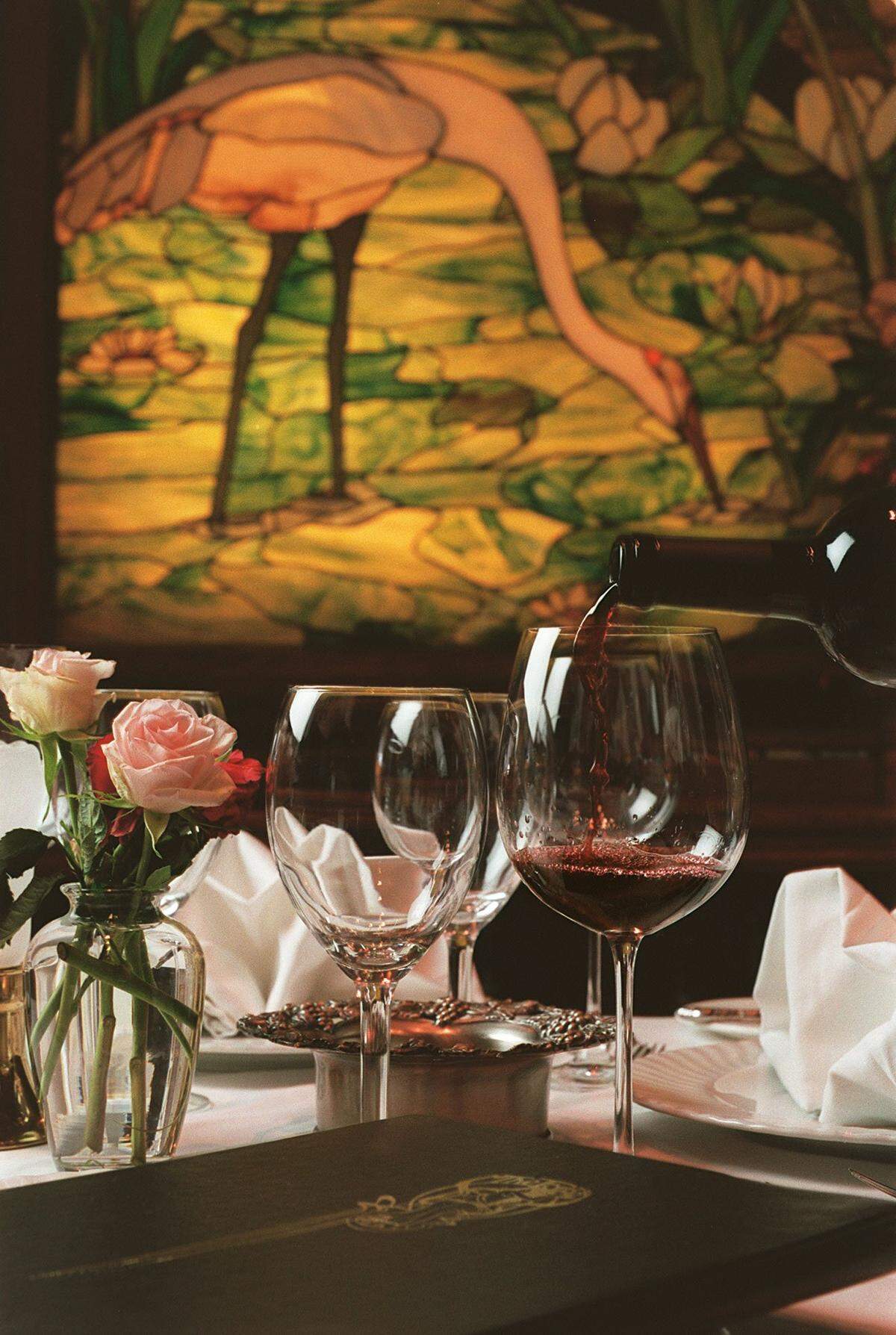
The Forge, stuffed with antiques, oil paintings, Tiffany glass, murals and all manner of rococo-ish touches, dressed its waiters like penguins and sent out steaks and lobsters under giant silver domes. Iceberg wedges were the way to start, and creamed spinach was the side dish of choice. The cool kids who ran off the blue-hair set in the early 1990s didn’t seem to mind that the place was stuck in a time warp - or get the fun irony they helped create once a DJ started cranking club tunes loud enough to make the notorious walls shake.
Once a hangout for Frank Sinatra and the Rat Pack, not to forget the wiseguy contingent, and in the 1980s something of a clubhouse for cocaine cowboys (upstanding types have always liked to live large there, too), The Forge, with all its dimly lit gaudiness, became a hipster hangout again. Ground Zero for Madonna and Stallone and company; the B list would loiter at the velvet ropes for hours, begging to be let in to blow a mortgage payment on champagne and shrimp cocktail.
This is, after all, the place where, in 2005, local girl Amber Ridinger celebrated a bat mitzvah with performances by Ja Rule and Ashanti that set her parents back $500,000. The eighth-grader wore a $27,000 Dolce & Gabbana gown.
“The world is different today,” says Malnik, who can barely get out a sentence before another Forge regular comes to his table to offer air kisses and congratulations. “By the time we closed last year, just about everything on the Beach was slowing down. We were slowing down. When you’re running an ongoing business, and you’re stuck in something that you want to change, you don’t know how to get out of it. But when you close, and you wipe the slate clean, you get a chance to rethink everything and create a place that will be here another 20 years.”
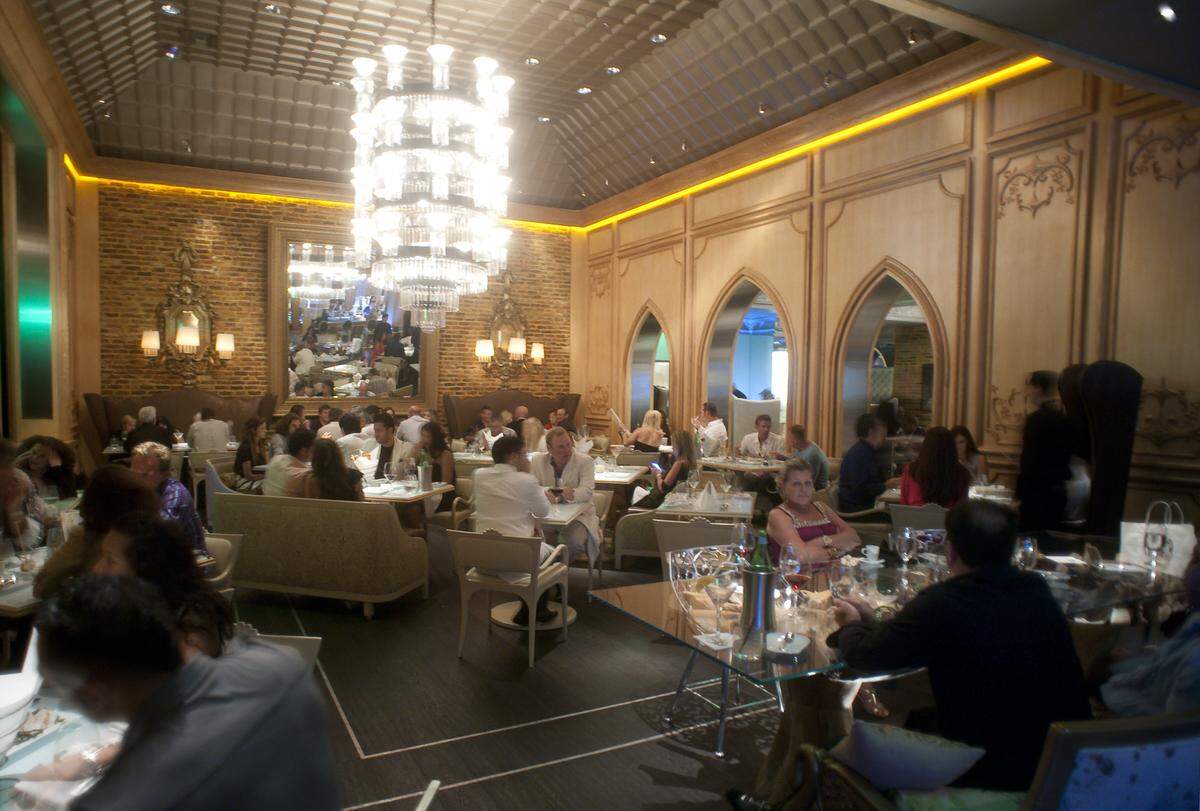
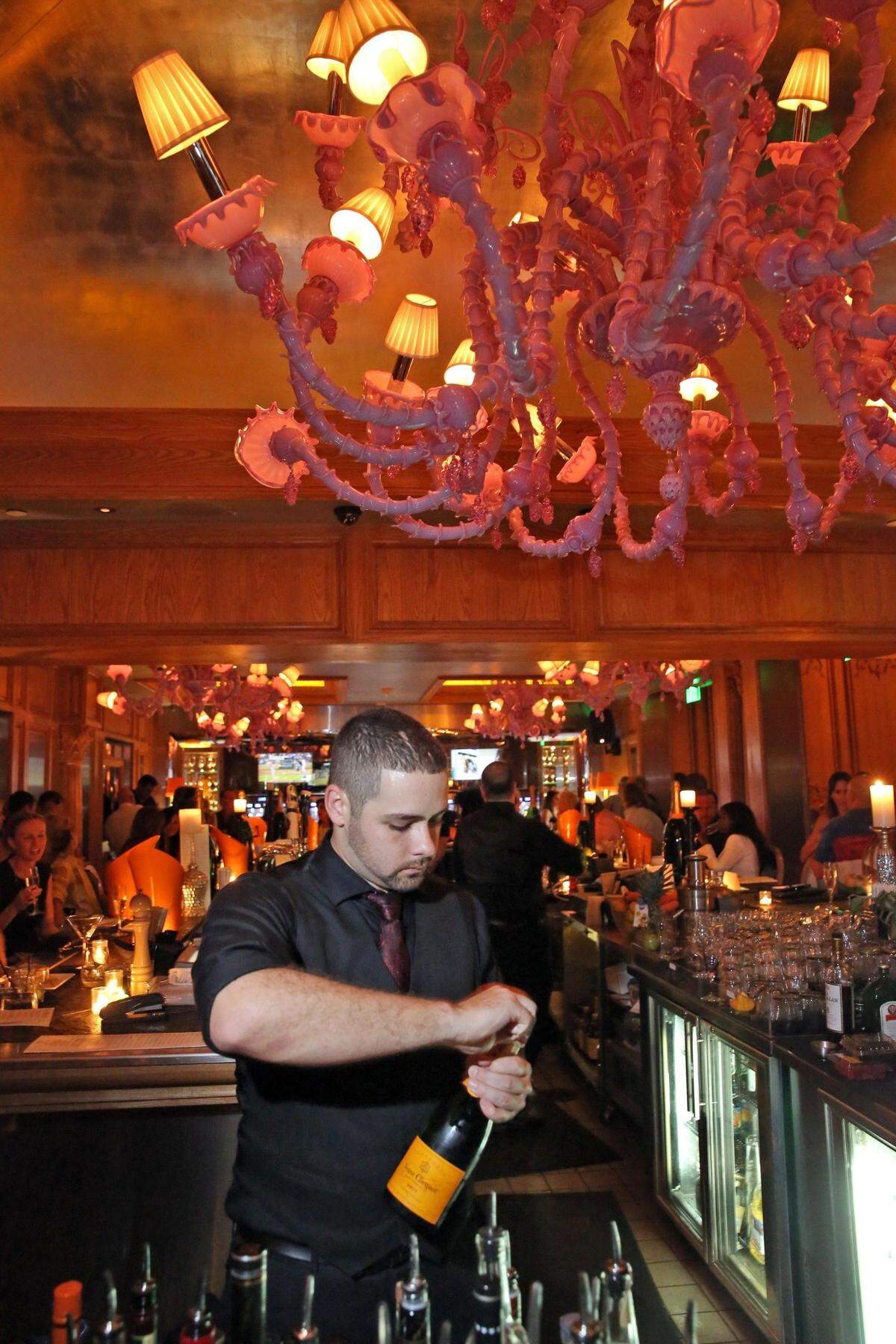
Not that the new Forge has returned modest and low key. The place is still lavish with its new trippy Murano glass chandeliers; ash-wood wall coverings with elaborate millwork; black-lacquer this and stainless-steel that, plus a “glass bubble wall” before which waiters decant fancy wines and the private, class-encased “board room” where big spenders will dine around a massive wooden table so heavy 20 guys had to carry it in. Surrounding it are 11 giant wing-back chairs that could be mistaken for thrones.
But that $700 bottle of Cristal? It sells for $294 now. Perrier Jouet Grand Brut is a merciful $65 a bottle. It used to go for closer to $200.
“By and large, nobody is spending that much money on a bottle anymore. The guys who were showing off at $700 before are still showing off. But they’re doing it at $300 a bottle now. And we have eight beers on tap now. I never realized I like beer so much,” says Malnik, 52, who, like his restaurant, has mellowed a good deal in recent years.
For one thing, he decided not to reopen Glass, the adjacent nightclub that kept him in party mode well past 4 a.m. most days. Also gone: the Wednesday night dinner party. Or any other kind of blowout.
“The Wednesday night party went on for 17 years, and it made a few million dollars in revenue every year. It was always slammed. But in a way, it revolved around me. And I don’t need anything to revolve around me anymore. I had to be here, and I had to be part of the party,” says Malnik, who orders a bunch of items from the new menu for you to taste but touches nothing but Evian.
“I’m not saying I didn’t have fun. But there comes a point when you say, ‘I can’t do this every night. I can’t drink every night.’ “
You’d never guess unless you interacted with him, but Malnik is a relatively understated, easy-going guy. He’s into martial arts. And spirituality. He had a feng shui master give The Forge a once-over after renovations were completed.
“She walked through every single room with these little rods that detect energy and said the energy was great now, just off the hook,” Malnik says. “It’s very open now. There’s better light. Everything is new, and there’s no old smoke clinging to anything. But, beyond that, I do believe energy exists in everything. Can you imagine all the energy that was here? This place was ready to blow. All the stories. The love and the hate that had been absorbed into the walls and the air-conditioning vents. It’s all new now.”
Like his father (“the most important person in my life”), who had alleged ties to mobster Meyer Lansky, the younger Malnik won’t talk about the gangster days. He also won’t dispute that a bunch of colorful characters have come through The Forge over the years.
“If you’re a popular restaurant, everybody is going to hang out. It’s never been a gangster hangout, but we’ve had our share of them coming through the door. We didn’t market for that demographic. All kinds of people come here. I’m not going to microanalyze the integrity of every character who comes here, including the priests, rabbis and politicians. Even O.J. Simpson came in here. I’m not his biggest fan, but I’m not gonna tell somebody they can’t come into the restaurant.”
In fact, The Forge is all about inclusion these days, Malnik says.
“We still have our wine cellar, and you can come here and spend thousands on an amazing bottle of wine. But you can also come here and have a glass of Charles Lafitte champagne for $7 a glass. I don’t want to be just for an upper-crust crowd anymore. I’m not saying there’s going to a lower-class crowd here now. But, yes, we want the more money-conscious to come. And everybody is money conscious now.”
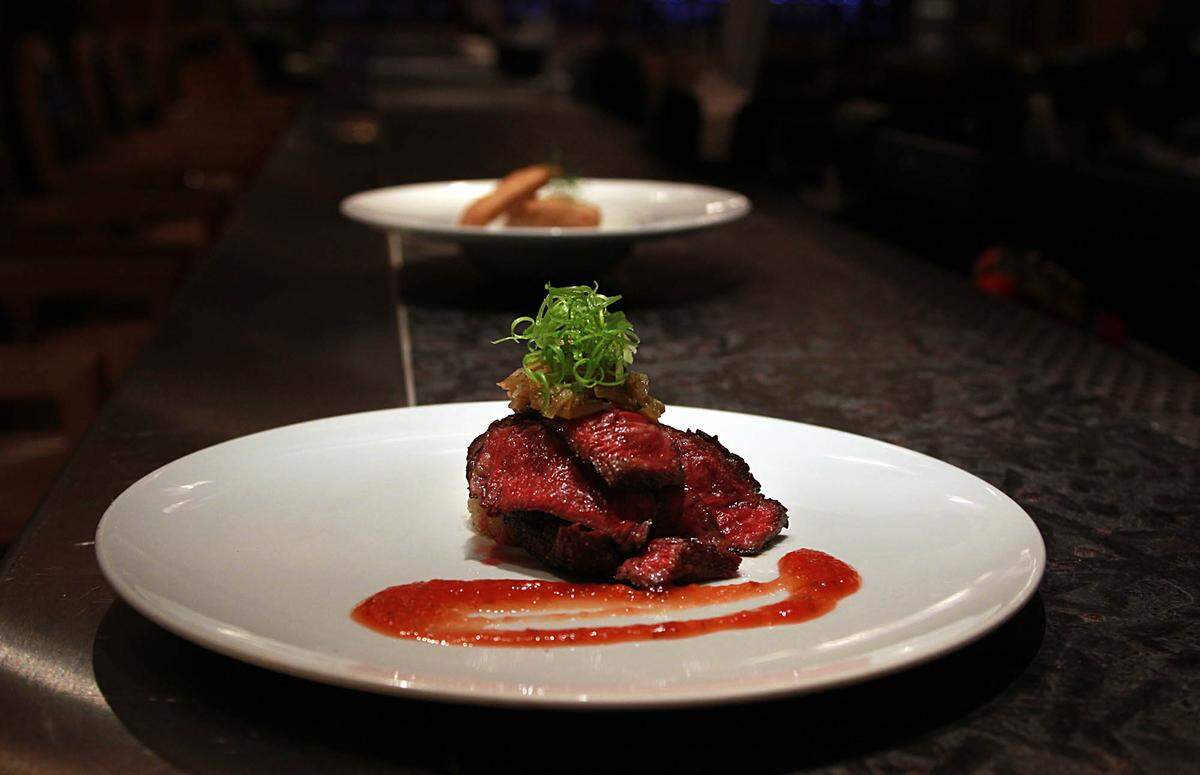
In The Forge’s kitchen today is Dewey Losasso, a founding member of the 1980s-era Mango Gang of South Florida chefs who got inventive with tropicals. More recently he ran North One 10 on Biscayne Boulevard. And while he kept some of The Forge’s signatures, such as chopped salad ($13) and oak-grilled “Super Steak” ($52), he revamped the general concept to focus more on locally grown produce and lighter, more modern fare. Among the new dishes: a lobster, peanut-butter and onion-jelly sandwich ($15); a “Burger and Bordeaux” of Angus sirloin topped with boneless short ribs and lobster marmalade and served with a side of truffled fries and a tasting of Bordeaux wine ($20); kale and spaghetti ($19); steamed snapper in a bag with veggies ($24).
“I’ve always had a higher culinary ambition for The Forge than it being just a steak house,” Malnik says. “So I’m very happy about our new direction. But The Forge will still be more than just a dining experience. People will come and hang out at the new bar. There will be that great Forge energy. Just no more over-the-top partying. That’s just passé.”
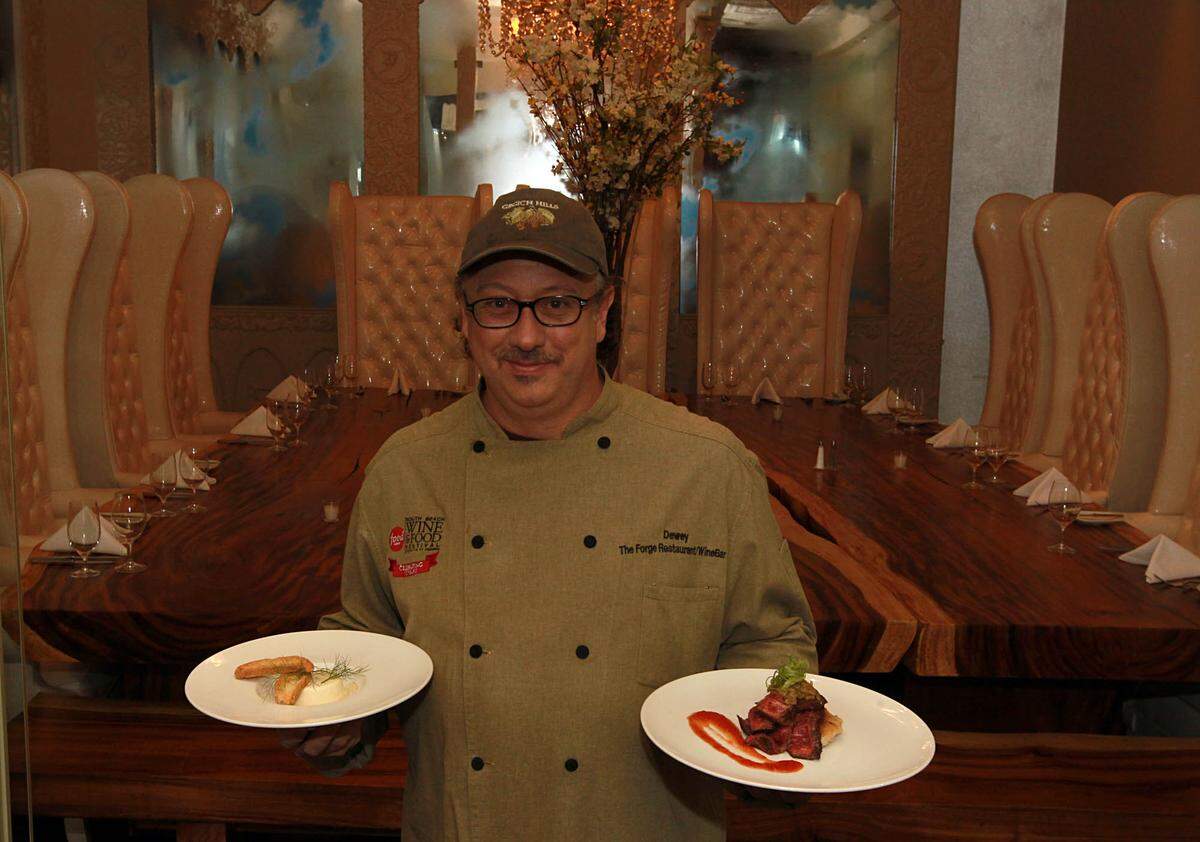
Party fever
Published Dec. 5, 1997
A squad of Miami Beach police cars blocks the street. Stretch limos and top-down roadsters form a double line at the curb. An eight-person team of valet parkers tries hopelessly to keep up with the come and go. Horns honk. Gawkers watch from the sidewalk.
Red velvet VIP ropes and a Mr. Clean doorman keep the riff a’raff.
This is: (1) Don Vito’s funeral; (2) a royal wedding; (3) a car wreck. But no. It is midnight on a Wednesday, party night, at the Forge.
A onetime casino (upstairs) in the 1930s, the Forge has been a player among South Florida’s restaurants for nearly three decades. The recipe is simple -- good steak, big money and a hint of sin.
It survived, even thrived, after a shooting-murder in 1977 involving the stepson of mobster Meyer Lansky. It returned after a 1991 fire that destroyed the roof but missed the $10 million wine collection, including a 1822 Lafite.
It survived, horrors, a period of lite cooking known as “travant garde.”
But even by Miami’s standards of Scarface excess, the Forge’s present-day party fever is amazing. Gender illusionists, NBA stars, film folk, cigar fans, Tony Montana wannabes and a disco inferno of decolletage are part of the act.
Host with the most is Shareef Malnik. All in black with a pencil-thin mustache, the Zorro-like Malnik moves through the din and the din-din with a globe of cognac in hand, chicas trailing in his propwash.
He likes a party, he says. He’s got one. It starts late and goes on, rolling from cathedral-windowed dining rooms to the SRO restaurant’s lounge to his private dinner-disco club, Jimmy’z, where the original Regine is in residence. Best place to dine in peace? Outside, in the fountain-enhanced courtyard.
Clearly, Malnik has struck gold. Yet, the WD-40 at work is sex and rock and roll. But not necessarily the food. Serviceable seems accurate. Malnik’s stated goal is not to be in the gourmet league of restaurants -- his fave is Norman’s. Stress is on quality ingredients, and here his operation hits its mark. For a price. A considerable one.
A stone crab starter, for three jumbo-sized legs, is $35. An ounce of beluga - inhale anyone? - is $55. Newly listed - by Malnik’s request - is two scrambled eggs with sevruga caviar served in the egg shells ($14.95). A Super Steak is $34.95. Montana buffalo, another new listing, marinated in balsamic and served with portobello and shallots, is $36.95. Monsieur Haricot Vert? Yours for $6.95.
This is an escargot kind of place, and if you like them, few are better than these ($8.95). Firm, extra-large and tender, six snails are not overpowered in garlic and grease, the sauce refreshened by Chardonnay. Crab cakes ($11.95) are spicy but mushy, filled with gummy foccacia, aswim in a high sea of sweet red pepper sauce.
Tuna tartare ($13.95) is served to impress, a big bowl of shaved ice jabbed with ebony chop sticks, a dish of red, raw ground tuna topped and dark sevruga sunk in the ice. One tastes the caviar. One tastes the ginger-mustard sauce pooling around the tartare. But where’s the tuna?
Stone crabs, served with sweet potato chips, are stone crabs, flawless. But they ought to be, for $34.95.
Salads are terrific, particularly the sand-free organic arugula ($8.95), dewy with lemon, green olive oil, garlic and shavings of Parmesan. House chopped salad ($7.95) is gorgeous, wet with 12-year-old balsamic, confettied with Gorgonzola.
Super Steak ($34.95) is, indeed, outstanding, dry-aged for 21 days, a 16-ounce portion voted No. 1 steak in America by Wine Spectator mag. Morton’s, now open, Capital Grill and, due next week, Smith & W. must try to beat this steak. It comes with a good but unnecessary horseradish-mustard sauce. Baked potato ($4) is foil-free and satisfactory. Mashed sweets ($4.95) are orange-colored pabulum.
Sirloin Java-style ($20.95 for 10 ounces/$28.95 for 14 ounces) is a vet ready for Medicare. Crusted with black peppercorns, drenched in a piquant A-1-ish sauce, once you discover the meat, it proves to be chewy and full of sinew.
Oven-fired tuna with mushrooms ($21.95) tastes like good calves’ liver, but is locked in a straitjacket of gravied brandy sauce. Better is lighter tuna with field greens, orange segments and Asian vinaigrette ($23.95). Grilled salmon ($22.95) is a sound performer, done with a spinach vinaigrette and served over tomatoes, cucumber, scallions and a citrus-herb dressing.
Duck ($21.95) is another oldster, blackened outside, dark and dense, moist as chocolate cake. But black currant sauce is like Karo syrup. Best-kept secret? Oak-grilled vegetables ($16.95) with Maui onion, eggplant, tomato, peppers, endive, radicchio and homemade mozzarella.
Chocolate souffle and Grand Marnier souffle ($9.95) each make a grand entrance, but are chewy inside, like a muffin. Macadamia tart ($5.95) with chocolate and raspberries is rich and good. Key lime frost ($5.95) has 35 calories and tastes like it.
With its wide appeal to a new generation, The Forge seems secure as a hometown icon. Solid like an anvil.

All the beautiful people
Published: Aug. 2, 1996
Outside The Forge at midnight on a steamy-hot Wednesday, 57 supplicants stand in line, their Land Rovers, Jags and Rolls- Royces double-parked up and down Arthur Godfrey Road, straining to hear the door guy warn them it’ll be an hour, probably, before they can get in.
Inside, beautiful persons are explaining how The Forge, the Miami Beach restaurant that five years ago seemed to have an average client age just this side of death, is suddenly hot with the 20-something set as well.
“It’s the quality of the crowd,” says Shelley Patterson, 29, a not-working-right-now nightclub dancer writhing in place on the dance floor. “They’re classy. They’re educated. They run businesses.”
“They have to be classy to afford the drink prices,” says Nicole Haboush, 26, a yacht charter exec.
“And the food prices,” adds Madeleine Wagner, 27, a paralegal.
“If I meet a guy here, he won’t be just a bartender from some other club,” says Pilar Sanchez, 28, an office manager.
And, in case one of those classy males is listening, Patterson volunteers her vita: “I’m 29. Single. Eligible.”
If the rest of the world seems a little uglier on Wednesday nights, it’s because all the beautiful people are at The Forge. Literally. All of them. Roberto, the deejay, is playing conga music late on a Wednesday, the hottest weeknight, and the floor is so crowded that no conga line can form -- only something closer to a conga mosh.
A few feet away, diners are digging into $20 to $69 steaks, pouring $17 to $2,200 bottles of wine, table-hopping -- seeing, being seen.
And they’re something to see: Models and young women who look like models, and men, some of them not so young, who like to look at women who look that way.
Instant scene shift -- to just next door: a whole different world. Cool. Dark. Quiet. Only a murmur of voices modulating the bluish-white, velvet fog that wreaks a dream-like atmosphere.
Cigar smoke. This is The Forge’s Cuba Club (pronounced COO- ba), a smokers-only hideaway where puffers who drop $4,000 for a 12-year membership can stash their stogies and smoke them in peace.
It’s where Madonna keeps hers and comes to smoke ‘em when she’s not breathing for two. And maybe bumps into fellow cigar- vault owners Sylvester Stallone, k.d. lang, Michael Caine, Steven Tyler, Steven Bauer, Michael Jordan, Matt Dillon, F. Lee Bailey, Pauly Shore.
Access is by separate entrance, a discreetly marked, stainless steel door cut by a tiny “Joe sent me” speakeasy window through which those who arrive are identified before being admitted.
Once inside they encounter the club’s centerpiece walk-in humidor, a room maybe 20 by 20 feet and 10 feet tall, lined with Spanish cedar, mausoleum-style personal cigar vaults with brass name plates, where members’ cigars are coddled in optimum conditions - 67 degrees, 72 percent humidity.
The Forge and its Cuba Club. Two such different places. But they have combined to rocket the Miami Beach landmark into a new trajectory of notoriety. In March, Wine Spectator magazine crowned The Forge, 432 41st St., one of the nation’s two best steak houses - “The Versailles of Steaks on Arthur Godfrey Road” - tied at 92 points with Bern’s Steak House in Tampa.
In its summer issue, Cigar Aficionado magazine, under the same publisher, Marvin Shanken, anointed The Forge and Cuba Club “the quintessential restaurant for the millennium, offering great food, wonderful people-watching and the ideal location to sit back, light up and enjoy a great smoke.”
And in July, Vogue magazine listed the restaurant/club as one of the coolest spots in the “five coolest cities” in America.
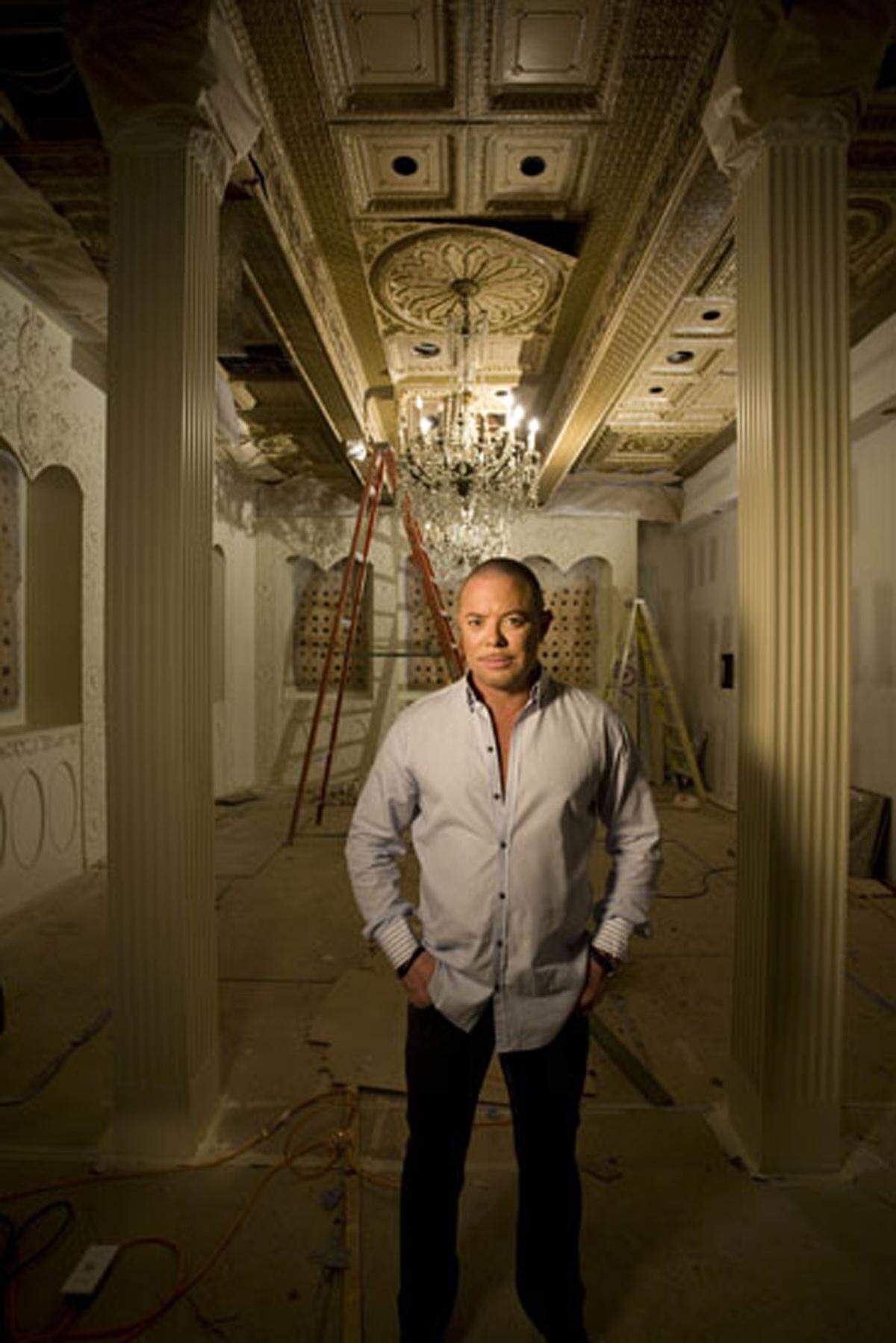
Says Forge owner Shareef Malnik: “It’s what I realized we had to become when I took over. On the cutting edge.”
Malnik, whose father, Alvin, handed over the keys after a 1991 fire, is boyishly handsome at 38, oozing low-key charm, holding court over a table of 14 friends invited to share the spoils of his lobster-diving expedition earlier that day. Hopping up every few minutes to plant double-cheek kisses on yet another recognized diner.
“I know everybody in the room,” he boasts. And no one disputes it.
The atmosphere is charged with energy. Nobody minding the conversation-stifling din. Le tout Miami is, intensely, loudly, joyfully, at play.
The evening matures. Heat coach Pat Riley arrives for a quiet-as-possible dinner (“First time here; food’s great.”) Someone says a Heat player is on the dance floor -- one of the new guys. Malnik notes that Coppola and DeNiro drop by when they’re in town.
The din builds. Waiters fight frantically through the crowd, bearing shoulder-level trays jammed with silver-domed plates of red meat, rare, weeping juices; of asparagus and eggplant equally bearing the mark of the grill.
In Cuba Club, billiards players puff reflectively, seeking to define its smoky charm.
“It’s nice to enjoy a cigar without being hassled by nonsmokers,” says Jeffrey Brown, 29, a Miami Beach real estate asset manager. “It’s good for bringing clients,” adds Steven Holtz, a Beach CPA. “It’s quiet. You can talk.”
“It’s a man’s environment,” puffs Kevin Mahfood, 30, from Lighthouse Point.
His wife, Julie, 29, smirks: “He has his opinions.” She concedes, however, that he smokes the cigars in the family. How The Forge got hot again involved a change as profound as the one that has transformed much of Miami Beach from God’s waiting room to an ultra-hip SoHo South.
Even when Alvin Malnik, bought “The Old Forge” in 1969, it had been an institution for 30 years, hosting the likes of Walter Winchell, Arthur Godfrey, Judy Garland, Frank Sinatra, Jackie Gleason, Martha Raye.
After the elder Malnik revamped its decor and menu, it continued attracting celebs - Richard Nixon, Pia Zadora, Brian DePalma, Richard Burton, the Eagles, who had a penchant for (lots of) its expensive Bordeaux. But as the ‘90s arrived, The Forge had become a venerable institution with a clientele that was equally venerable and growing more so.
It was the elder Malnik who, in 1991, took a bold modernizing step, installing a $125,000 wine-by-the-glass dispenser in the bar - by far the biggest in Florida. In supreme irony, the dispenser shorted out six months later and started a fire that gutted one of the restaurant’s central dining rooms and nearly reached its $10 million wine cellar.
Malnik, then 58, turned the restaurant over to his son.
Shareef Malnik, then 33, had business and law degrees from the University of Miami and had worked nearly every job in the restaurant, but he had a reputation as a jet-setting playboy.
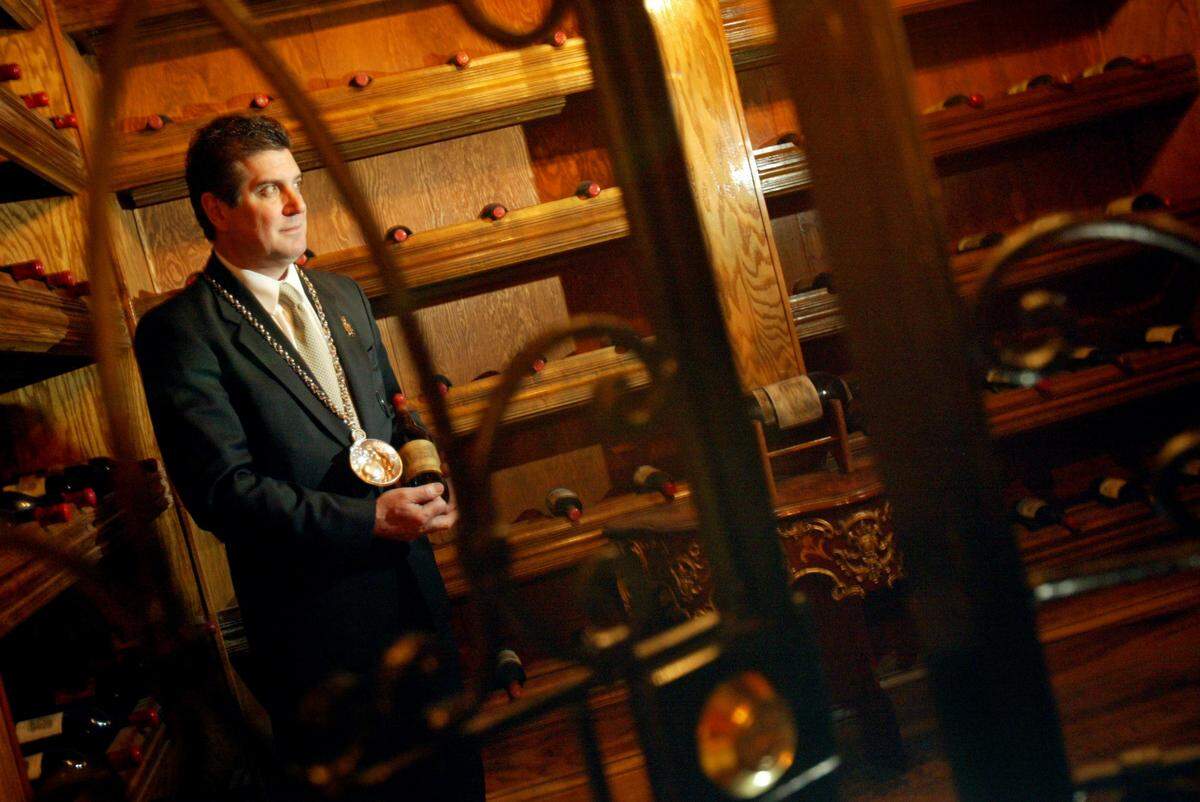
Malnik is candid about the changes he wrought.
“It had become an elderly clientele. The food had its own direction. I had to break the old guard at The Forge. I had to lose a lot of customers to build this new image.”
He thinks he has succeeded.
“I’ve doubled revenue since I took over.”
Malnik says he has lowered the age of the clientele by 25 years. Against long odds, being 25 blocks north of Lincoln Road, The Forge has insinuated itself into the “school-night” party circuit of the South Beach party-till-you-drop crowd.
Friends give credit to Malnik’s grass-roots gregariousness.
“Shareef is amazing; he knows everyone,” says Karen Quinones, 33, whose En Avance fashion shop is just up Arthur Godfrey Road. “He gets a nice mix of Latin Americans, business people, South Beach types.”
Credit also goes to Malnik’s decision to hire party promoter Tommy Pooch, who has created theme nights in other Beach restaurants and clubs. If Pooch says The Forge is where to be on Wednesdays . . . it is.
Adding to the energy that crackles about The Forge is the decor.
“Stops just short of gaudy,” says Wine Spectator.
Not all agree it stops.
The Forge’s artworks strain the word “eclectic” to its bursting point. More yin and yang: A genuine 1907 Tiffany window, and paintings of bare-breasted cartoon nymphs in sylvan settings; a Beardsley Rousseau parrot mural, and an oil of a big-eyed little boy that stops just short of roadside art on velvet.
In Cuba Club, one room’s walls are cluttered with gigantic trophied heads of African game animals, a massively horned Cape buffalo, an entire lion skin, even a stuffed head of hyena.
“This is the politically incorrect room,” Malnik says.
On another wall is a gigantic photo of Malnik’s stunning girlfriend, Edith Serrano, posing in a teddy, with startled expression and a handful of long cigars, taken at La Gloria Cubana, a Calle Ocho cigar factory.
“Kind of like what a peasant woman would wear making cigars,” says Malnik.
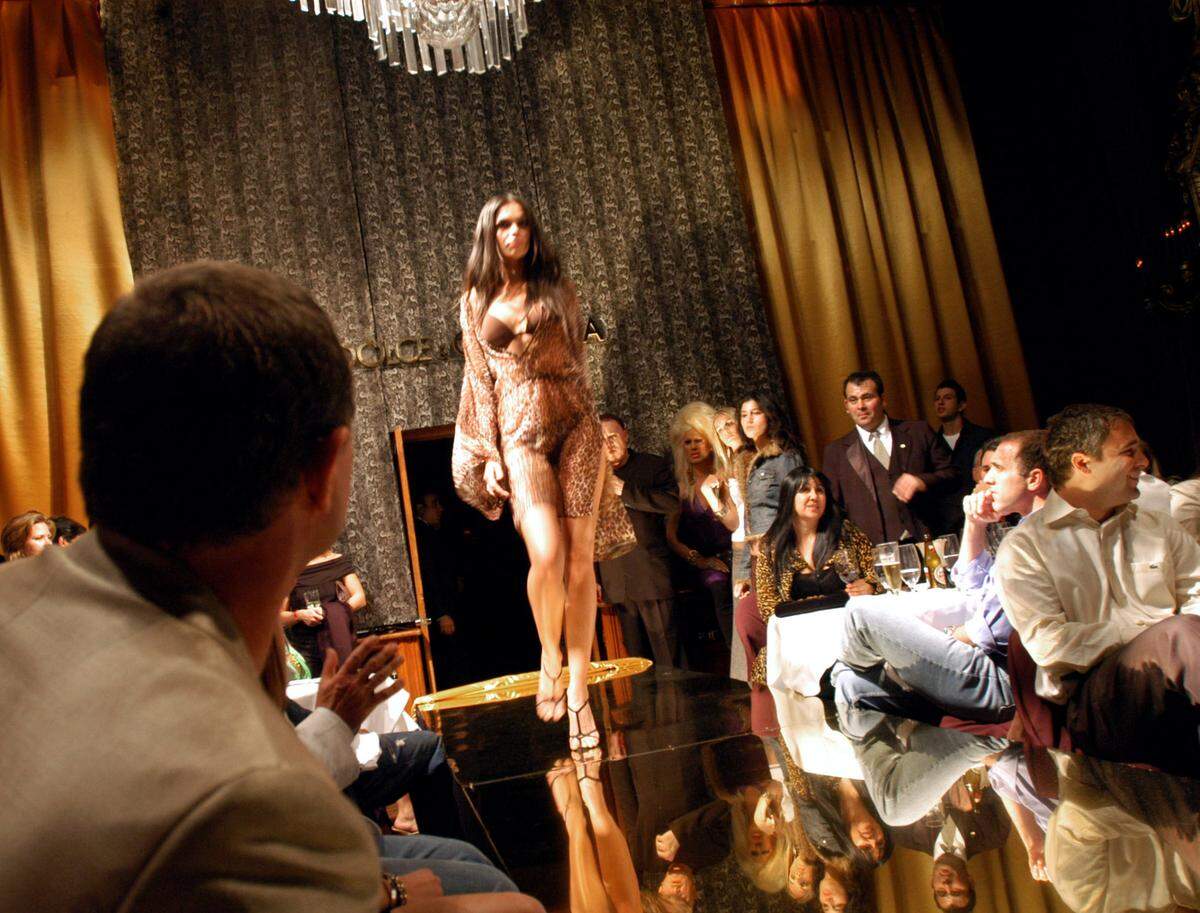
Vowing to rebuild The Forge after the fire
Published Aug. 2, 1991
Irony of ironies: It was apparently the $125,000 wine-by- the-glass dispenser Al Malnik put in six months ago to make his wines more accessible to the public that nearly destroyed his $10 million wine cellar and the entire Forge Restaurant he had spent the past 22 years creating.
At least that’s Malnik’s belief. Federal, state and Miami Beach investigators said they aren’t sure what caused the Wednesday morning fire at the landmark Miami Beach restaurant, but they do not suspect arson.
Malnik was distraught. “It’s just awful. The Pharmacy (dining room) is just completely destroyed. It’s just so personal with me. I designed and built every inch of it.”
He said the loss was not insured. “I’m a self-insured guy.”
But he vowed to rebuild quickly, with his own money. In fact, Malnik’s son, Shareef, 33, said the restaurant might reopen “within days” with at least half of its dining rooms back in business.
In its early days the restaurant attracted such celebrities as Arthur Godfrey, Judy Garland, Jackie Gleason, Sammy Davis Jr., and Frank Sinatra and gossip columnist Walter Winchell. The late mob boss Meyer Lansky used to dine there. Former president Richard Nixon also was a customer.
More recently under Malnik’s ownership, it attracted Richard Burton and Pia Zadora, and director Brian DePalma shot several scenes for his movie Scarface inside the ornate dining rooms.
Investigators put damage at $7 million. Shareef Malnik called it “nowhere near that,” and said seven of the restaurant’s nine dining rooms suffered no more than smoke damage. The 300,000-bottle wine cellar and museum were untouched by flames, and its usual 62-degree temperature never rose above 70, even though its electricity was out for several hours, he said.
He illustrated the point with an hourlong guided tour. The Pharmacy dining room was a soggy mass of shattered glass and charred timbers. Its dome-shaped, stained glass ceiling had collapsed in thousands of pieces onto the long, granite Moroccan table and 10 high-back chairs from the estate of heiress Marjorie Merriweather Post.
Miraculously, in the Sports Room 10 feet away, neatly folded cloth napkins on the tables were not even scorched. The room’s 30-foot-high, domed, stained-glass ceiling and collection of 19th Century European sports posters were intact.
“No fire is good,” Shareef Malnik said, “but we’re feeling pretty thankful.”
In the Cabaret a few feet away, the Cruvinet wine system, a 120-bottle dispenser that served wine by the glass from $4.50 to $39, tilted crazily, its wiring ripped out from the back wall. The fire apparently began there and traveled through a false ceiling to the Pharmacy dining room, he said.
The rest of the restaurant - the Main Dining Room, with its colorful Beardsley Rousseau parrot mural, was smoky but intact, as were the Gallery, with its life-size bronze goddess statue by John Nast, and the Library, with its 1907 Tiffany window and 250-year-old crystal chandelier from James Madison’s White House.
Plunging into the wine cellar with a flashlight, Shareef showed that the 1822 Chateau Lafite Rothschild listed on the wine list at $75,000 was undamaged, as were the 1929 Chateau Haut-Batailley, the 1962 Chateau Margaux and a 1797 Madeira. The room was cool, not smoky.
The elder Malnik vowed to recover. “The Forge represents 22 years of my life. It will be back, resplendent in every way, better than ever.”