
In push to expand drilling, Trump administration clears way for seismic blasting off Florida coast
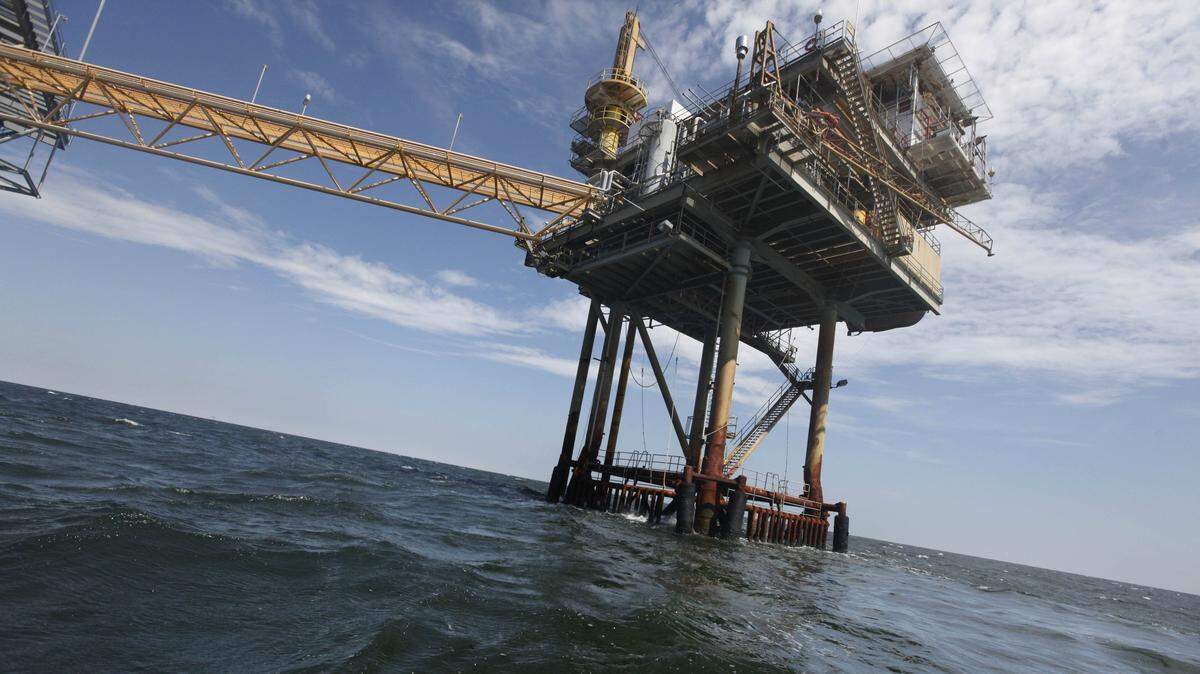
The Trump administration on Friday cleared the way for seismic blasting in search of oil off Florida and much of the Atlantic coast for the first time in more than three decades.
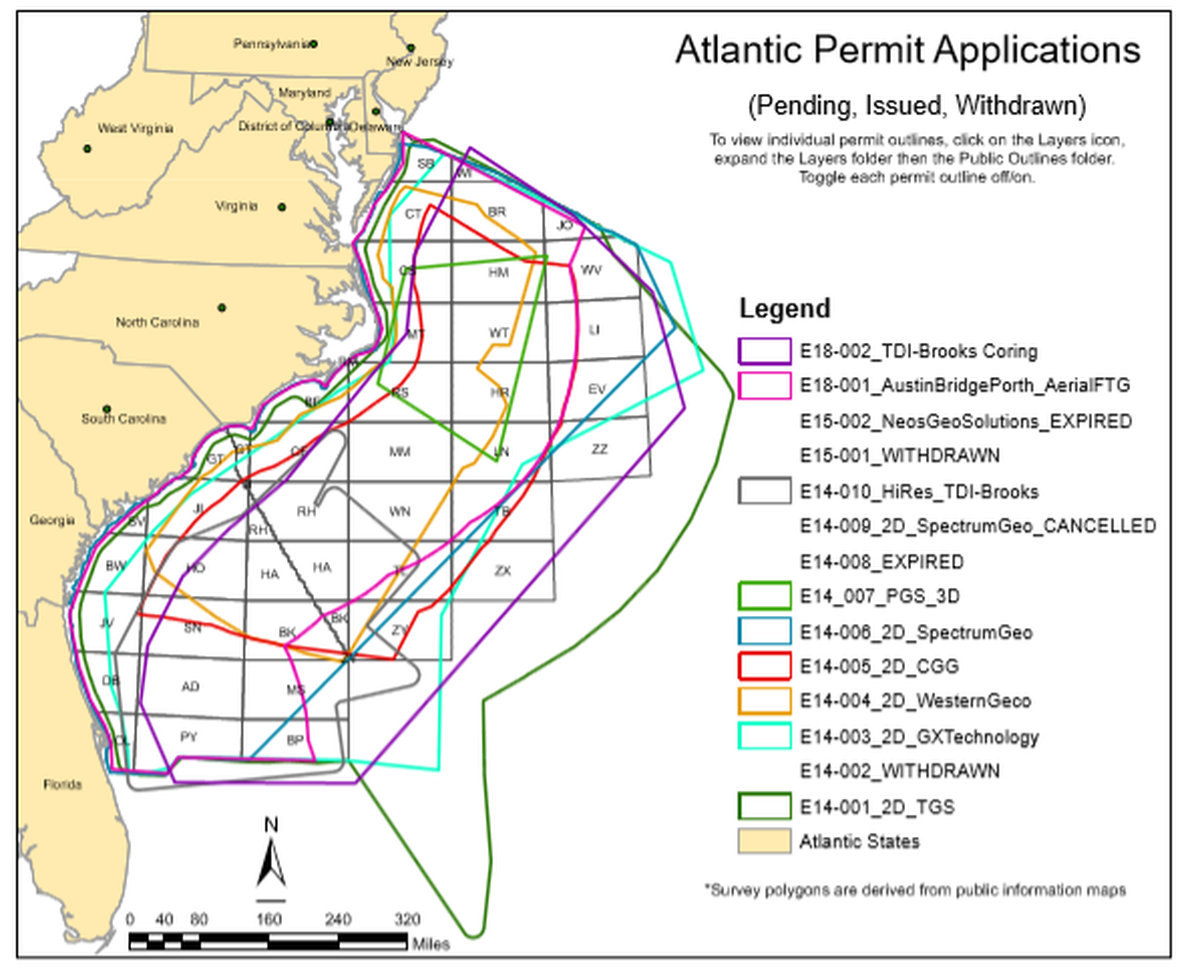
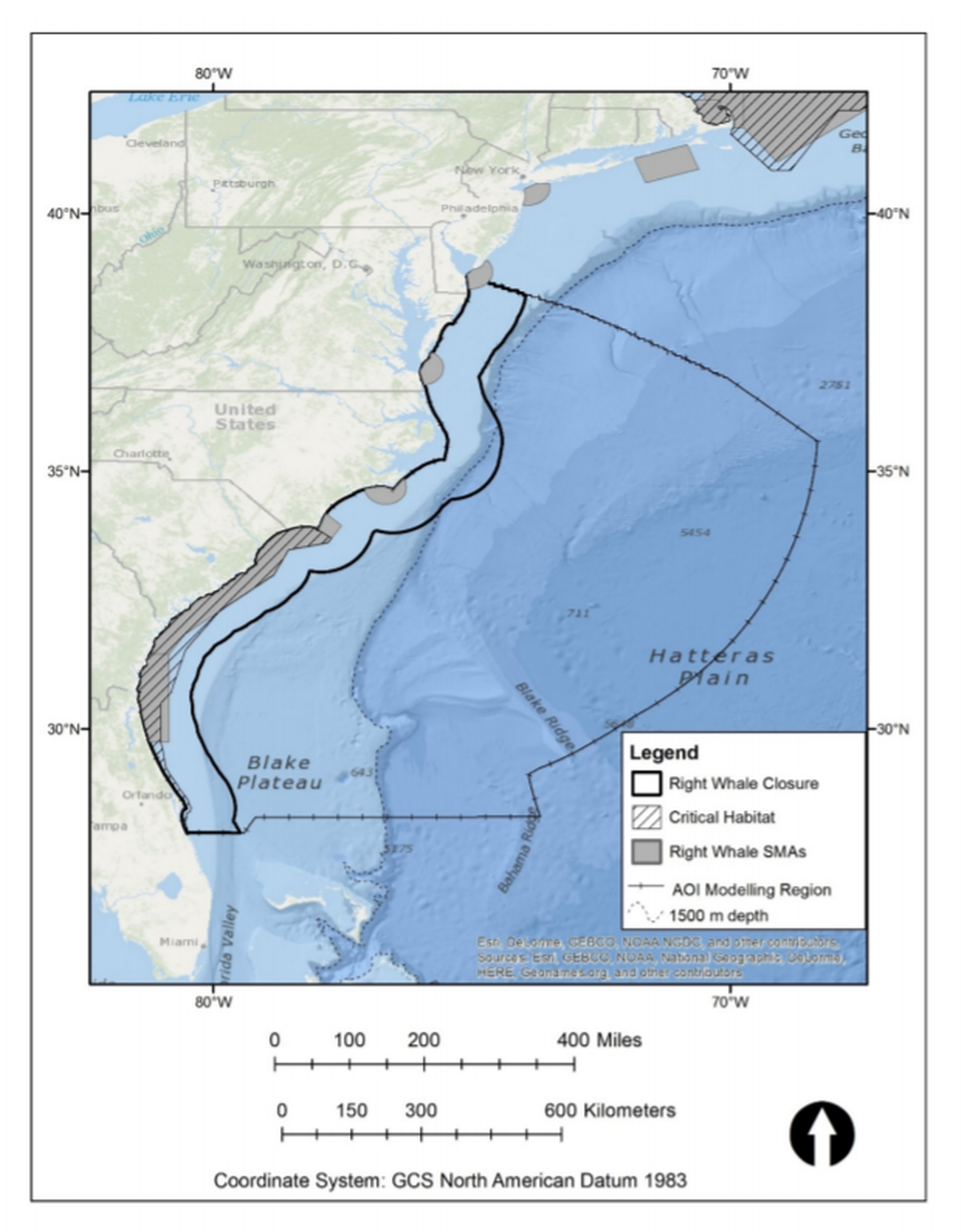
The approval of wildlife permits by the National Oceanic and Atmospheric Administration will now allow five companies to proceed with requests to use air guns to search the sea floor between Florida’s Space Coast and New Jersey. It comes nearly two years after the Obama administration ruled risks from the deafening surveys outweighed any benefits, and it outraged environmental groups, which plan to fight the move.
“Virtually the entire East Coast would be affected by it,” said Michael Jasny, an attorney with the Natural Resources Defense Council. “It’s a needless and shameless blow to the health of our coasts and oceans.”
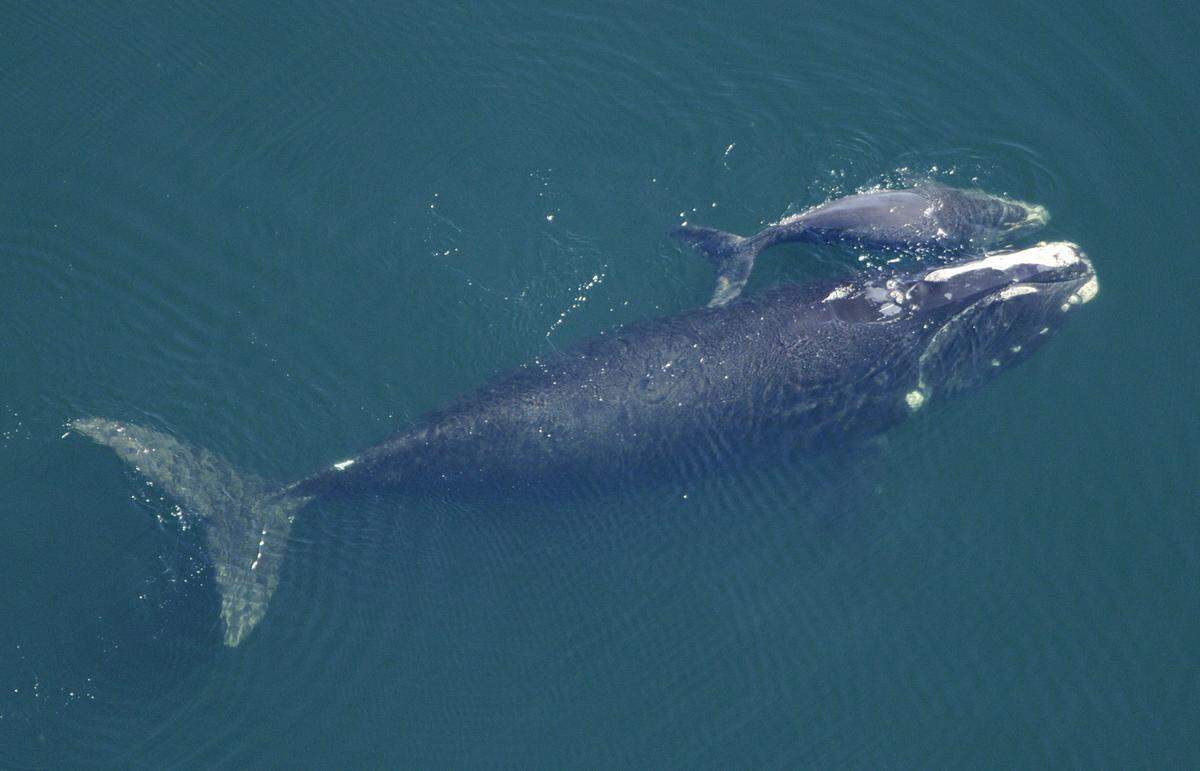
Scientists have long warned that ocean noise can harm marine life that use sound to find food, escape prey, communicate with young and locate mates. Sound can be amplified many times over underwater and travel thousands of miles. Last year, the U.S. Navy agreed to limit explosions and sonar use along parts of the southeastern coast to protect endangered North Atlantic right whales, which now number only about 450.
Seismic surveys use air guns to blast the ocean floor with acoustic waves every 10 seconds to map what’s underneath. Up to 48 guns can be arranged in a rectangle, shooting blasts directly down that can be as high as 250 decibels, loud enough to penetrate layers of sand and rock. Because it’s targeted, sound can be far lower in surrounding areas, which supporters say make it a safer alternative to exploratory drilling.
“We have no interest in going to places where oil and gas don’t exist. You’d think anyone would want to know what the potential would be,” said David Mica, executive director of the Florida Petroleum Council. “And it has been shown over and over and over again by every administration going back decades that this is very safe. It’s fundamentally safe.”
In their permits, good for only one year, NOAA wildlife managers included measures to protect species, particularly the right whales that give birth every year off the Florida and Georgia coasts. The permits ban testing in waters up to 56 miles offshore between November and April during calving season. Surveyors must also station visual and acoustic observers on ships and stop work if they spot a whale within a mile.
“While we do understand from available science that there are a possibility of effects and that could impact the population,” NOAA biologist Benjamin Laws said in a briefing, “our analysis shows we shouldn’t expect impacts that are greater than negligible.”
But scientists, including NOAA researchers who in 2016 launched a 10-year plan to address dangers from increasing ocean noise, say the risks to fish are still not well understood.
“Potential effects range from none to altering important behavioral patterns, masking, hearing impairment, habitat abandonment, or even death, in certain circumstance,” NOAA scientists wrote in an introduction to the plan.
Environmentalists also say the surveys are unnecessary given the overwhelming opposition by coastal states to drilling. They also say the dangers to dwindling populations of dolphins and whales that use sonar and are susceptible to noise are too great. In recent years, a number of species have been hit by mysterious die-offs along the Atlantic coasts, including the deaths of 84 humpback whales since 2016, 52 minke whales, and 20 right whales.
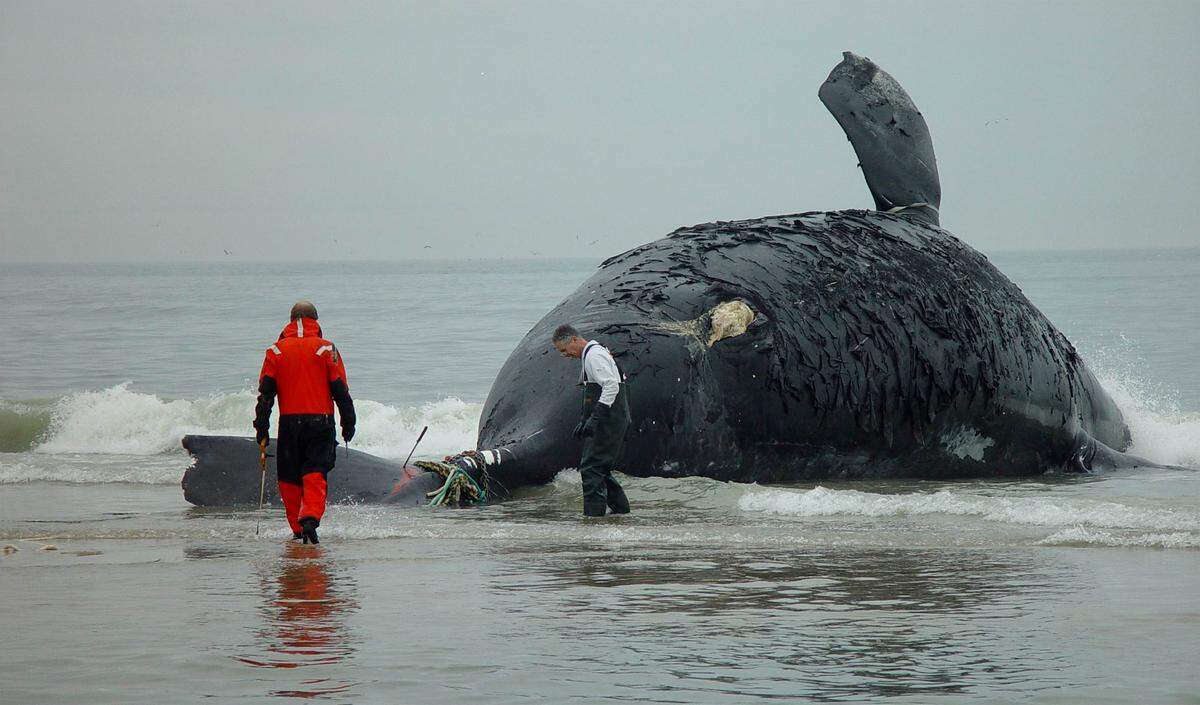
“If you care about right whales regardless of where you live, you should care very much about what the Trump administration has done today,” Jasny said. “The right whale is now in free fall.”
In January, after the Trump administration announced plans to open drilling in the Atlantic and parts of the eastern Gulf of Mexico closed to drilling since 1988, Florida lawmakers swiftly condemned the plan. Industry experts also say establishing a new oil field on the East Coast would be an expensive proposition with potentially little payoff.
The one and only time exploration has ever occurred off the Atlantic coast, between 1976 and 1983, it came up largely dry. Nearly 400 leases were purchased that covered more than 2.3 million square miles, but only natural gas was discovered off the Northeast coast, according to the Bureau of Ocean Energy Management. The wells were ultimately abandoned.
Drilling “is one of the most solidly opposed environmental issues that we have worked on in years,” said Catherine Wannamaker, a senior attorney with the Southern Environmental Law Center, who noted that opposition in coastal states has been bipartisan. “Seismic testing is nothing but a precursor to offshore drilling that no one in the Southeast wants and there’s simply no reason for seismic testing if you don’t want to drill.”
This story was originally published November 30, 2018 at 6:11 PM.