
Stone crab season and toxic red tide overlap this year. Are the prized claws safe to eat?
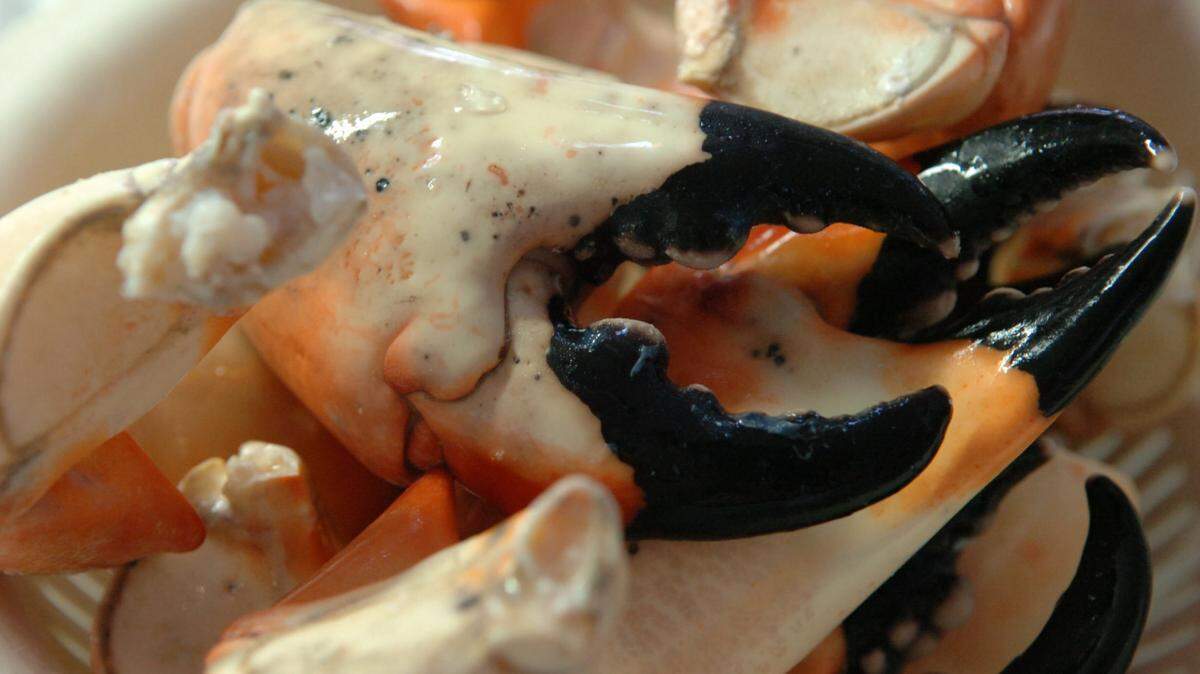
Stone crabs may go well with drawn butter or mustard sauce — but what about a side of red tide?
Stone crab season, which officially opened Oct. 15, coincides this year with a bloom of toxic red tide that spans all of Florida’s coasts. The reddish-brown algae produces toxic chemicals that can kill marine life and cause severe breathing problems for people with chronic respiratory conditions.
So are stone crabs that may have been exposed to red tide safe to eat? The short answer is yes. But certain fish and other shellfish — particularly those harvested by weekend warriors — may not be.
Stone crab claws — the only part taken from the animal before it is returned to the ocean to regrow its claw — can be safely eaten, particularly if it was bought from a restaurant, grocery store or seafood market, according to the Florida Fish and Wildlife Conservation Commission website. Commercially available shellfish are tested for red tide toxins before they are sold, the website says. A portion of the FWC website is dedicated to a red tide questions at MyFWC.com.
Moreover, the edible parts of crabs, shrimp and lobsters are not affected by red tide, the website says explicitly. However, people should be careful not eat the tomalley (that’s the hepatopancreas - the green stuff inside).
Neither is the taste of the meat affected by the red tide, according to the website.
However, recreational fishermen who like to harvest bivalves — clams, oysters, mussels from state-approved areas — are banned from fishing for them during a red tide bloom. Illegally harvested shellfish are particularly dangerous to eat, since red tide toxins accumulate in their meat.
Fish lovers should be careful, too. Local fish exposed to red tide are safe to eat as long as they have been fileted, according to FWC, since red tide toxins accumulate in their guts.
This story was originally published October 19, 2018 at 11:45 AM.