The United Airlines Playbook Most Travelers Haven’t Figured Out Yet
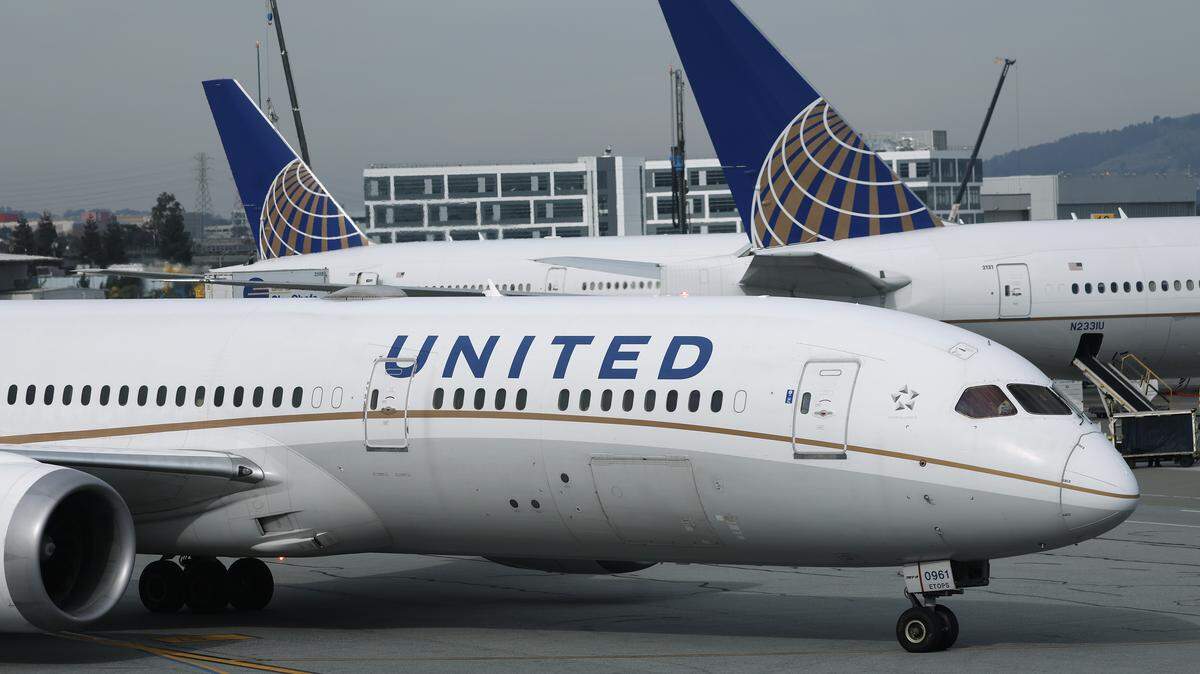
Did you know there’s a good chance you’re leaving money on the table every time you book a United flight? The airline — one of the largest carriers in the world — has built a layered system of fare types, loyalty perks, and booking tools that rewards the people who take a little bit of time to understand how it all works. The rest pay more, sit in worse seats, and miss out on free flights they could have claimed.
Here’s how to stop being in that second group.
Know what you’re actually buying before you click “book”
United sells several distinct fare types, and the gap between them matters more than most travelers realize. Basic Economy tickets come with significant restrictions, including limited seat selection and boarding privileges. They’re the cheapest option, and they work well if you can live within those constraints. But if you show up at the airport expecting flexibility you didn’t pay for, you’ll hit surprise fees.
The smarter move is deciding before you book whether the restrictions will bother you on that specific trip. A two-hour domestic hop? Basic Economy might be fine. A six-hour cross-country flight where you want to sit with a travel companion? That’s where stepping up to Economy or higher pays off.
Economy Plus sits in an interesting middle ground that a lot of travelers overlook. It offers extra legroom and early boarding. On longer flights, purchasing it can meaningfully improve comfort — and elite members often receive complimentary access depending on status, which makes earning that status even more worthwhile.
The loyalty program is more useful than you think
The MileagePlus program rewards frequent flyers with miles that never expire, elite status benefits, and access to Star Alliance partners. That last detail is easy to gloss over, but it means your United loyalty extends across a global network of airlines.
Even occasional travelers can benefit from pooling travel on one airline to accelerate status and rewards. If you fly eight or ten times a year and you’re splitting those trips across four different carriers, you’re diluting your earning power. Consolidating on United (or any single airline) is how people who travel the same amount as you end up with better seats and free upgrades.
The MileagePlus program gets more interesting the deeper you go. Strategic use of miles — especially on international itineraries — can stretch their value far beyond what most people assume.
A free flight hiding inside your award booking
One of United’s most valuable but lesser-known benefits is the Excursionist Perk, which allows you to add a free one-way flight within a multi-city award itinerary under specific conditions. This can significantly stretch the value of your miles on international trips.
Think about that for a second. If you’re already booking an award trip, by structuring the routing correctly, you get an entire additional flight segment at no extra mileage cost. Most people booking award travel don’t know this exists, which means they’re leaving real value unclaimed.
Upgrades, and how to make them count
Premier elite members earn PlusPoints, which can be used to request cabin upgrades on eligible flights. The key insight here: using PlusPoints on long-haul routes often provides the best value compared to short domestic segments. The difference between Economy and Business Class on a 10-hour international flight is dramatically more noticeable than on a 90-minute shuttle flight. Spend your upgrade currency where it’ll make the biggest difference in your actual experience.
Finding the cheap days to fly
United’s award calendar makes it easier to identify lower-mileage travel days when searching for flights. Being flexible by even one or two days can reduce the miles required for a flight.
This is one of those small habits that compounds over time. If you’re saving 5,000 to 10,000 miles per trip by shifting your departure date by a day, those savings add up across a year of travel into enough miles for an extra flight.
Credit card perks that actually offset their cost
United co-branded credit cards offer benefits like free checked bags, priority boarding, and expanded award availability. For frequent flyers, these perks can easily offset annual fees.
The free checked bag benefit alone is worth doing the math on. If you check a bag on most flights and you’re flying United six or more times a year, that single perk can cover the card’s annual fee before you even factor in the miles earned on everyday spending.
Flexibility tools most passengers don’t use
United offers a variety of flexible booking options, including same-day flight changes for eligible tickets and free standby options for many travelers. This can be especially useful for business travelers or those with flexible schedules. If your meeting ends early, you can try for an earlier flight home instead of killing time at the airport.
The United mobile app is where all of this comes together. It provides real-time boarding updates, gate changes, seat maps, and upgrade lists. Monitoring the app can improve your odds of snagging better seats or adjusting travel plans quickly. Seat maps, in particular, are worth checking repeatedly in the days before your flight — seats open up as other passengers change plans, and you can grab them.
How to put this into practice
If you want to start optimizing your United experience, here’s a practical sequence: First, enroll in MileagePlus and start consolidating your flights on United to build toward status. Second, learn the fare types so you’re making intentional choices at booking rather than defaulting to the cheapest ticket every time. Third, download the United mobile app and use it actively before and during travel — the real-time information alone changes the experience. Fourth, when booking award travel internationally, look into whether the Excursionist Perk can get you a free one-way flight added to your itinerary.
None of this requires elite status to start. It requires understanding fare rules, maximizing MileagePlus rewards, leveraging perks as you earn them, and staying flexible with booking strategies. The travelers who do this turn routine flights into something measurably better — more comfortable seats, fewer fees, and miles that actually go somewhere.
Production of this article included the use of AI. It was reviewed and edited by a team of content specialists.