
How solitude has inspired three Miami artists to thrive in the time of Covid-19
From writers and poets, to dancers, sculptors and painters, creatives are used to working in solitude, that is, within the confines of their studio or workspace. Some creatives thrive on the human experience, while others are more removed beings— their work flourishes whilst in confinement. For most, it’s a mixed bag.
Bakehouse Art Complex artist Lauren Shapiro, whose ceramic work is hands-on and revolves around social practice, finds the virtual art world to be counterintuitive. Still, the artist is making the best of quarantine by partaking in professional development and participating in virtual seminars.
“I get the most enjoyment from sharing my content... any type of programming that connects people as participants as opposed to just passively observing content would be the most interesting, in my opinion,” Shapiro shared.
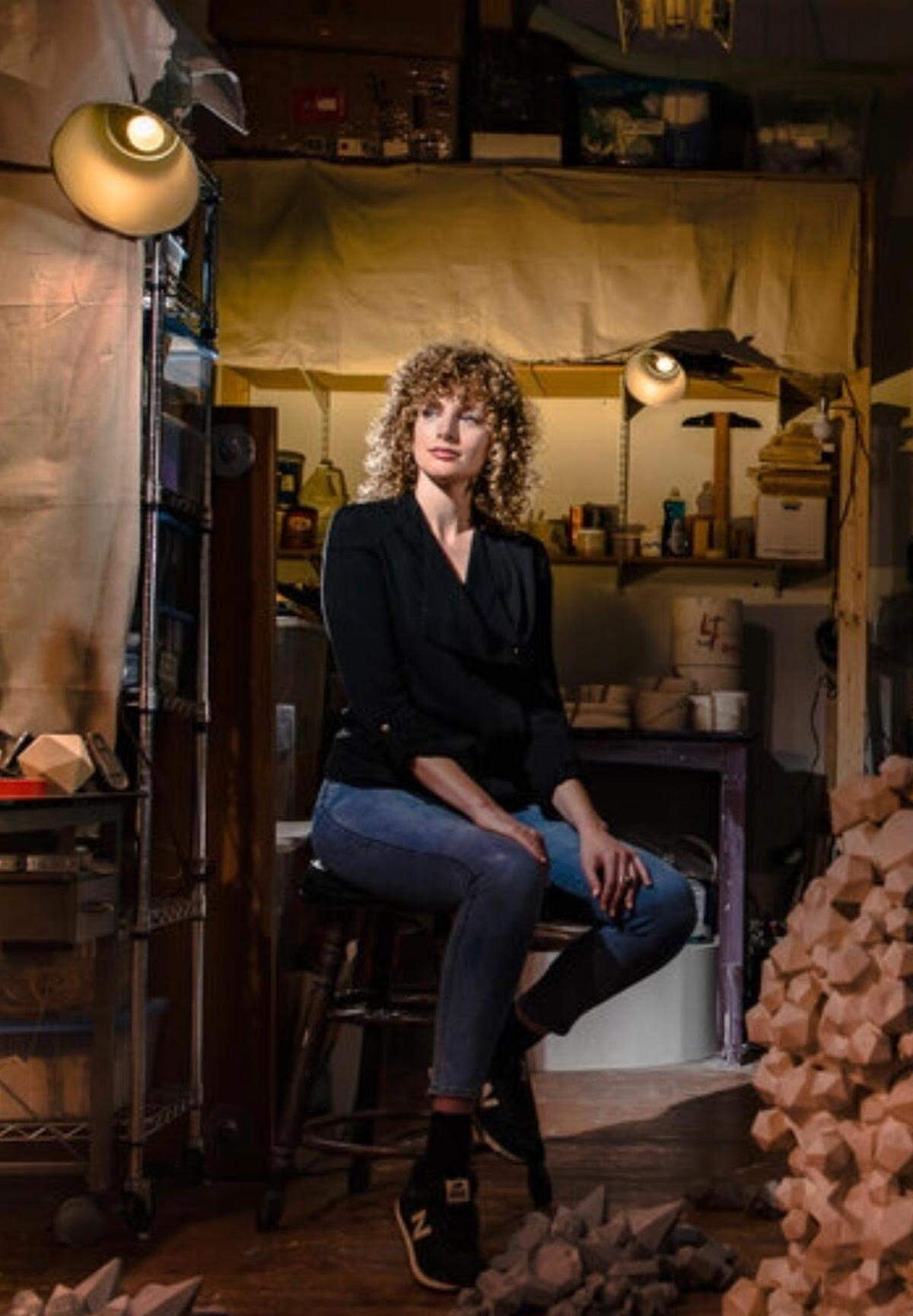
It’s impossible to get to work right now—Lauren’s studio at Bakehouse is closed—so, this creative got hyper creative and built a pop-up tent in her front yard to use as a temporary workspace. When not working physically on ceramics, Shapiro spends time developing programming for two new upcoming projects.
“The first is an exhibition on coral reefs which is supposed to open in the main gallery of the Bakehouse at the end of the year, and the other is a Knight Arts Challenge grant called ‘Molding the Future,’ which is a ceramic mural built by the community and put on display at Fairchild Tropical Botanic Garden,” Shapiro explained.
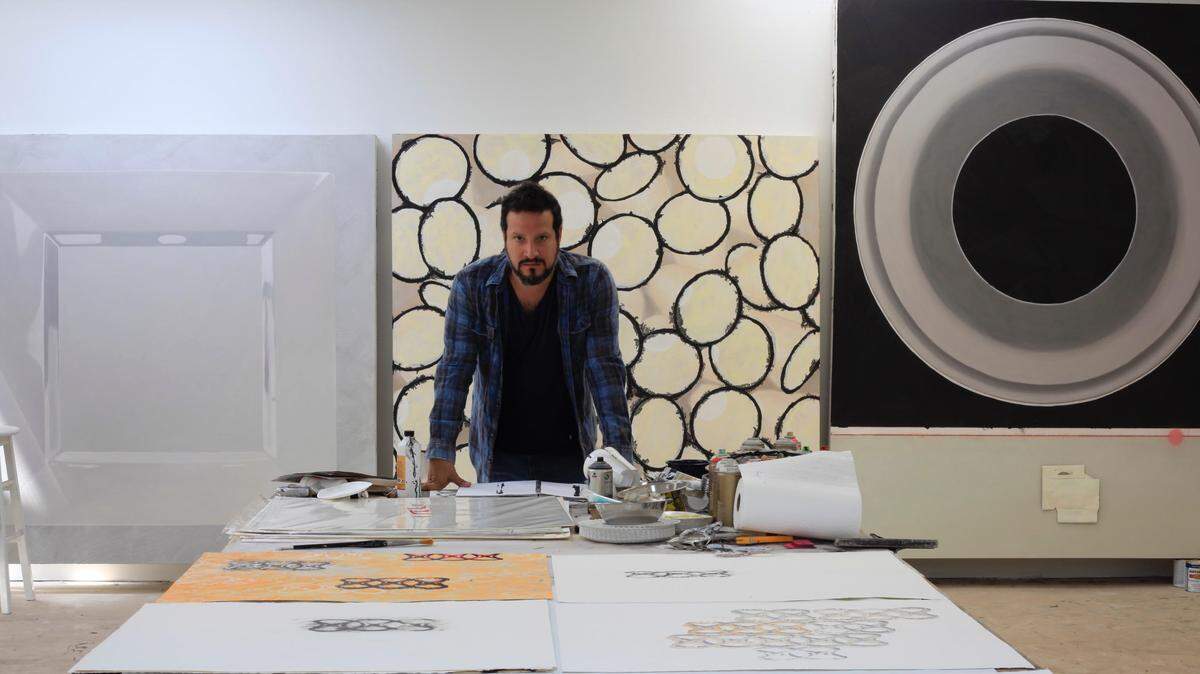
New York born and Venezuelan-raised Rafael Rangel Serrano makes sculptures and paintings with everyday objects that he says “are made out of materials and designs that eventually are going to disappear.” Think: utilitarian objects like single use paper and plastic products like plates, straws and bottles, which the artist says will someday not be available. By using the products to make monotypes and other markings in his paintings, he views his work as an archival record for this generation. Dismal, perhaps but life certainly does feel apocalyptic at the moment, so his work doesn’t seem so far-fetched.
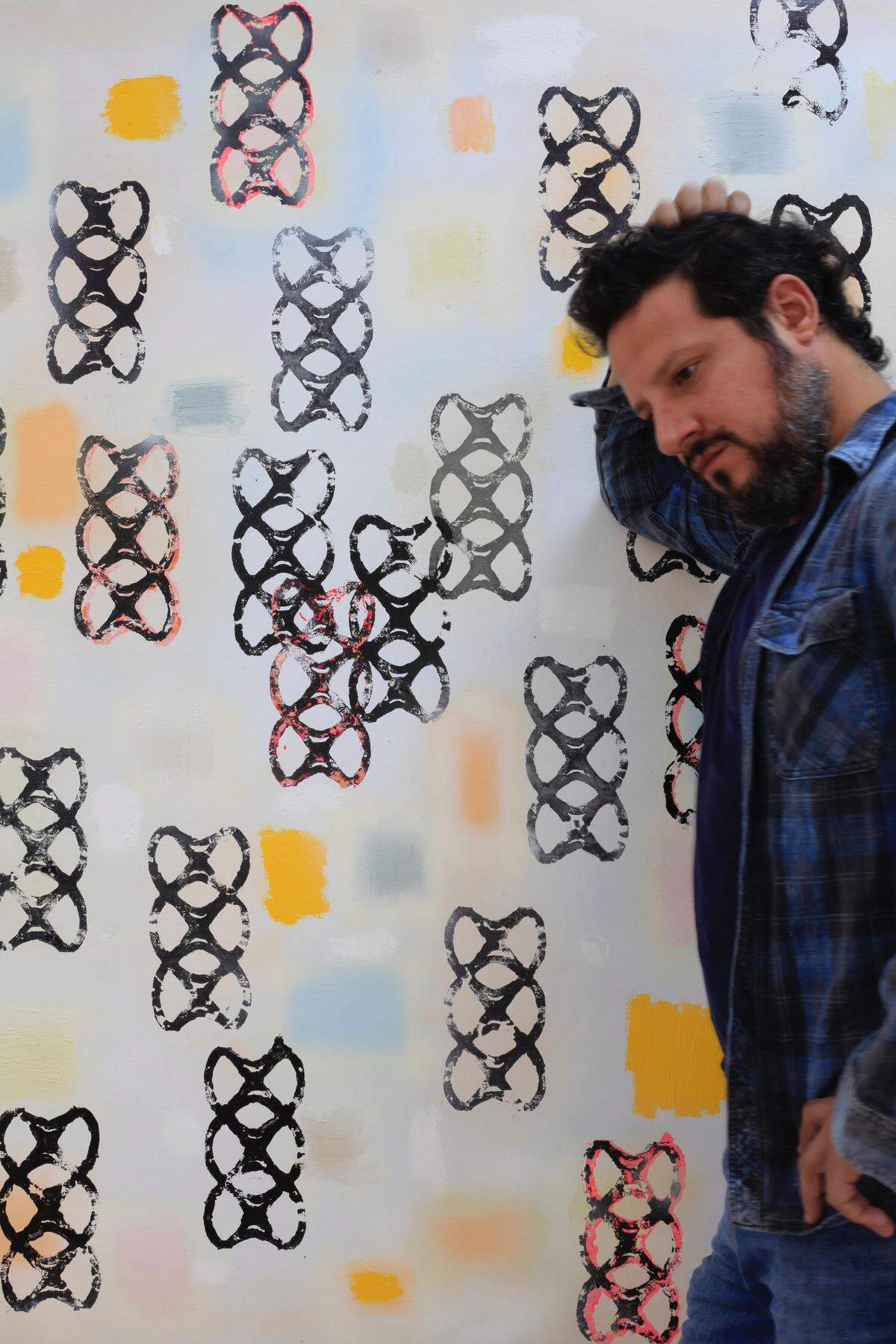
Serrano has taken his time alone to create works on paper that include monotypes with leaves. While he enjoys the live programming many area galleries are offering, he admits there are limits to virtual offerings.
“Art for me is a physical experience,” Serrano explained.
The artist has also now shifted his focus to more tedious work (he says he normally procrastinates on) like organizing and documenting his archives and applying for grants—a focal point for Serrano right now as he worries about what lies ahead.
“I worry about the future of the economy and how it is going to be the new normal,” Serrano said.
He says that Miamians need to rally to support each other and support local artists—and everyone for that matter—by buying local goods, and art.
“Support local in general, everything local,” he added.
Courage in creativity
While no one wants this to go on forever, let’s not forget that some of the world’s greatest masterpieces and inventions came from masters in isolation. Director Ingmar Bergman, writers Henry David Thoreau and Ernest Hemingway, and artists Pablo Picasso and Louise Bourgeois have all been known to do their best work while in solitude. So it’s not surprising that quarantine is a creative tool for many and remoteness from habitations can lead to creative clarity or a much-needed shift in focus.
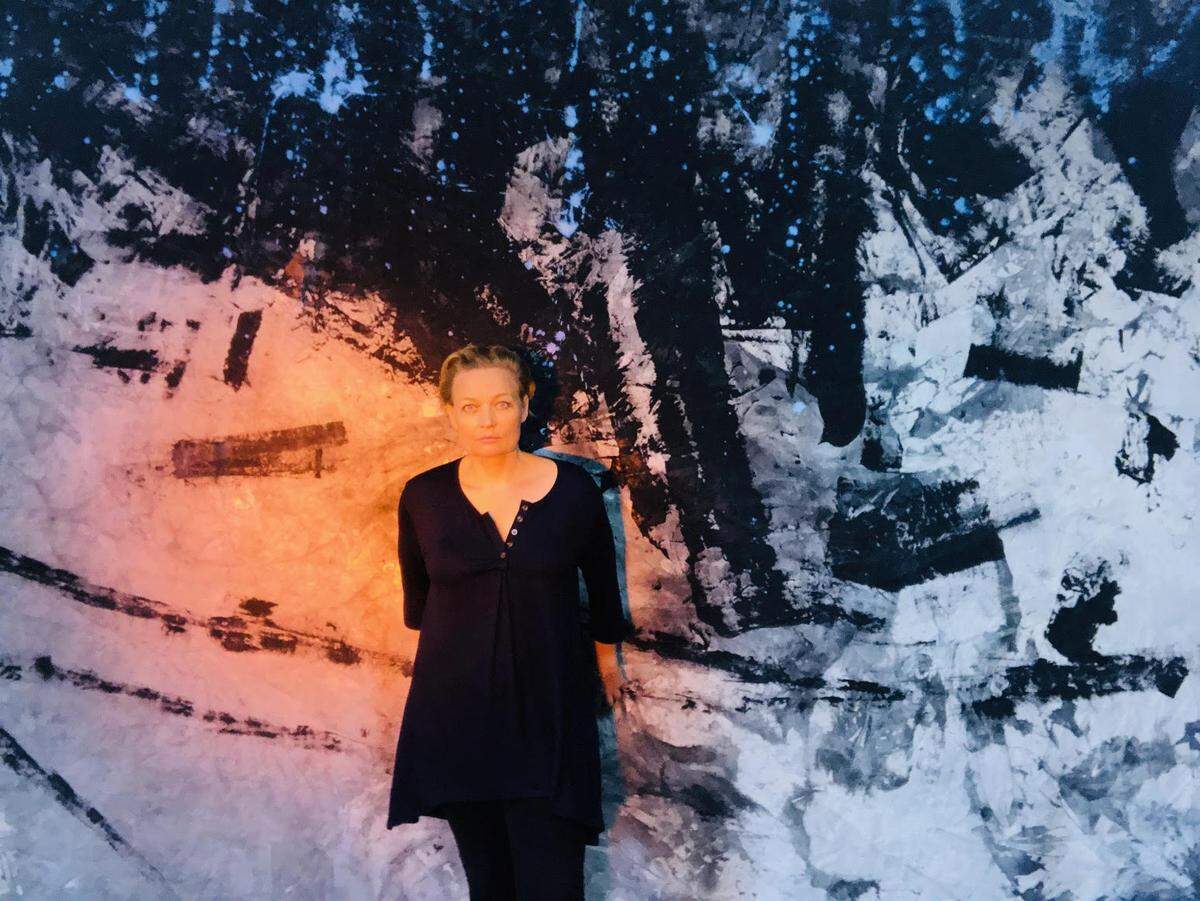
Take Mette Tommerup. The artist creates complex, large-scale art installations of stretched and unstretched canvases. Her work is abstract, mostly made outdoors and has an interactive component where the viewer can wrap themselves in the canvases. It’s already quite an intense process but Tommerup says she has seen elevated levels in recent weeks and a new direction for her work.
“I am seeing a new intensity in my work and lots of contrast and gesture developing,” she explained.
Initially during lockdown, the Danish import started out with a performance on the roof of her house, involving little paintings—a departure from her grand canvases.
“Standing on the roof and looking down on our contained new world brought me to think of aerial perspectives and utopian cities...for me, time has slowed down and allows for rare uninterrupted sessions of work and thought,”
Consuming virtual arts content has also become new ritual for the artist.
“I’m impressed with how fast the local museums and art institutions transitioned to online programming. The art world goes on virtually. Overall, I am absorbing much more content than I would ordinarily and am thoroughly enjoying it.”
So are we Mette, so are we.
*Erica Corsano is a multimedia journalist with almost two decades of experience as a storyteller. She currently serves as the head of content at The Jewish Museum of Florida and The Patricia & Phillip Frost Art Museum at Florida International University. Follow her @ericacorsano.
This story was originally published May 11, 2020 at 11:21 AM.