

A new pet could be just the way to reinvigorate your family’s energy and give your kids a playmate when exploring outdoors. However, everyone also knows that only some dogs are suitable for kids and family environments.
There are plenty of factors to consider when it comes to dog breeds and family friendliness, especially if you’re becoming a first-time dog owner.
These include:
- Shedding schedule. Dogs that shed less, like pugs, are more often hypoallergenic dogs, though not always.
- Energy level. Low-energy dogs are better for indoor families, while high-energy dogs are better for active families.
- Does your dog need to be a guard dog? Gentle giants are good for this, as they won’t attack without warning or need while still intimidating strangers who get near your kids.
- Personality. Fun-loving dogs are great family pets for those with young children, although small children might get hurt by accident. Low-maintenance dogs may have less energy but are easier to deal with. You should also remember that every dog has its own personality along with its general breed characteristics.
- Training and care. Proper training and socialization results in a more well behaved dog that gets along with other dogs and humans. Regular training also contributes to a dog’s overall happiness.
- Mixed breeds and rescue dogs. In general, mixed breeds are more affordable in the long run as they tend to have fewer health problems than purebreds. Rescuing dogs from shelters is also a great way to give a dog a second chance at a family.
Let’s break down the best family dogs, especially the best dogs for playing around kids, that you should consider adopting.
Best for All-Around Play: Golden Retriever

Key specs: 21.5-24 inches, 55-75 pounds
Everyone loves golden retrievers! This breed could be one of the best family dogs you can adopt since they are great for all-around play in family activities.
Pros
Going to the beach, going on a hike, or playing in the backyard are all activities that golden retrievers love. One of the most popular dog breeds, golden retrievers need daily exercise, so they’re a great companion for kids. They only shed seasonally, and they are very eager to please. As a result, you’ll be able to train them to play with your kids gently in no time. Plus, retrievers have a very gentle bite, so there’s little risk of them harming anyone, even accidentally.
Cons
While golden retrievers have many benefits, they can also be quite heavy, so they eat a lot of food and can be tough to manhandle if you need to put them in the car. Be sure to dedicate some extra time to training for your own benefit!
Best for Kids: Labrador Retriever

Key specs: 21.5-24.5 inches, 55-80 pounds
Labrador retrievers are some of the most popular dogs in the United States for a variety of reasons, ranging from trainability to friendliness to patience.
Pros
Labrador retrievers are eager to please, which makes them easy to train. Furthermore, these dogs are generally friendly with children and can even get along well with other canines, provided they are supervised. Most importantly, these dogs have a lot of energy, so they will play with your kids no matter what their age, and they love to expend a lot of energy outdoors.
Cons
Keep in mind that lab retrievers are very high-spirited, so they can accidentally break things or make messes in cramped indoor environments. On top of that, they shed regularly, so you’ll need to get in the habit of brushing them to keep the hair down.
Best for Running Around Outside: Beagle

Key specs: 13-15 inches, 20-30 pounds
Beagles are popular pups, especially for families with access to expansive outdoor environments like a big backyard.
Pros
Beagles are very active and energetic, so they need lots of exercise and do best when they can run around with your kids in the backyard. However, they are also very trainable, so you can teach your beagle to be highly obedient without too much effort. They don’t require constant grooming, and they aren’t overly large, nor do they eat a ton of food compared to other family-friendly dog breeds.
Cons
Beagles can have some unique health issues, however, so be sure to take them to the vet regularly. On top of that, beagles are known for being very vocal and loud barkers, so don’t be surprised if your beagle likes to announce newcomers or dogs on the sidewalk frequently.
Best for Energetic Households: Collies

Key specs: 22-26 inches, 50-75 pounds
Collies are herding dogs, so they need plenty of space to run around. As a result, they are perfect canine companions for more energetic households and kids who love to play outside.
Pros
Collies are devoted to their families from the start, and these high-energy dogs are ideal for large properties with plenty of space to roam. That said, they are also responsive to training, and they’re great companions for kids since they will stick by them and bark loudly if they detect a threat.
Cons
Just keep in mind that collies tend to bark a lot, so they may not be the best choice if you’re hoping for a quiet household.
Best for Cuddly Affection: Poodle (Standard and Miniature)

Key specs: 10-15 inches, 5-20 pounds
Poodles are popular family dogs for a variety of reasons, and they just might be the perfect companion for your family.
Pros
Not only are poodles cute and cuddly, but they are also excellent family dogs because they don’t grow to be too big. Poodles can live for up to 18 years, and they are smart and easy to train, so you and your kids will have a great time teaching your poodle how to do fun tricks and how to play properly. Poodles can be great dogs for kids because they are patient and don’t shed — perfect for kids who have allergies to other dog breeds.
Cons
Remember that poodles can be very alert, sometimes too alert! As such, they can be somewhat yappy dogs if you don’t train them to avoid excessive barking. Still, this is an overall small downside, considering the many benefits a poodle can bring to your home.
Best for Outdoor Excursions: Irish Setter

Key specs: 25-27 inches, 60-70 pounds
Irish setters have beautiful red-brown coats and are sweet by nature, so they are perfect canine companions for families with kids.
Pros
Irish setters are outgoing and highly trainable, so you might appreciate this dog breed if you want to take your family on hikes frequently. They only bark when necessary, and they require weekly grooming. On top of that, these outgoing dogs love to run, so they will be ideal companions for kids who get into messes and dirt outside. They even get along with other dogs, so consider taking your Irish settler to a local dog park.
Cons
These dogs can weigh up to 70 pounds, and they must be trained early in life if you want them to avoid making messes indoors. They’re not good family dogs for families with small indoor environments, like apartments.
Best for Roughhousing: Newfoundland

Key specs: 26-28 inches, 100-150 pounds
Newfoundland dogs are highly intelligent and loyal, but they are also gentle, big dogs who play well with kids.
Pros
You might prefer a Newfoundland dog for your family if your kids are also energetic roughhousers! These dogs love to throw their weight around, and they need plenty of outdoor space to exercise. If you have a large farm or other property, one of these dogs could be just what your family is looking for.
Cons
However, these dogs do need weekly brushing, and they can be quite hard to handle if you don’t train them properly because of their weight and size.
Best for Fluffy Fun and Training Tricks: Bichon Frise

Key specs: 9.5-11.5 inches, 12-18 pounds
A bichon frise could be one of the best family dogs for your family unit, especially if you are looking for a dog your kids will love to cuddle and give treats to in response to tricks.
Pros
These fluffy pups feel like petting a cloud — plush and velvety to the touch. More importantly, bichon frises get along perfectly well with other dogs and kids alike, and they make decent watchdogs (though they aren’t big enough to pose a threat to anybody). They love to be taught tricks, especially for pets and treats, so you and your kids will have a great time making them little show dogs for family members who come over for the holidays.
Cons
On the downside, bichon frises are very quick — much faster than you may expect! Because of this, you have to keep your eye on your pup at all times. You’ll have to teach your kids not to let them go outdoors, as these dogs are liable to run away to explore the environment, even if it puts them at risk.
Best for Apartment Living: Cavalier King Charles Spaniel
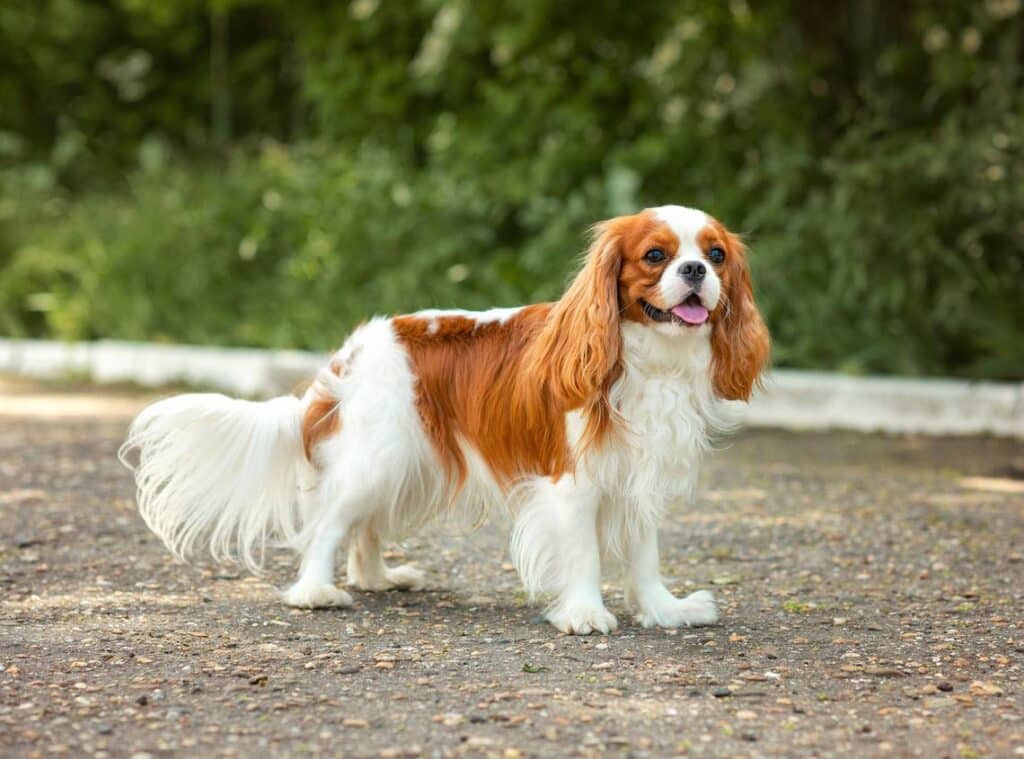
Key specs: 12-13 inches, 13-18 pounds
The cavalier King Charles spaniel is another popular family dog, featuring a regal pedigree thanks to their breed history and a silky coat that your kids will love to pet.
Pros
Above all else, cavalier King Charles spaniels are great for families who live in apartments. They don’t need baths often, and they are small enough that you can handle most exercise and play needs indoors instead of in a yard. In addition, these delightful, cute dogs are very social, so they are more than welcoming to new members of the family, like newborn kids, cousins, and friends from school.
Cons
However, cavalier King Charles spaniels do require a good amount of socialization and training in the earliest years to make sure that they get along well with other dogs and kids. Because these are sporting dogs, be sure to exercise them one hour a day regularly, preferably with a walk around the neighborhood.
Best for Watching Kids: Bernese Mountain Dog
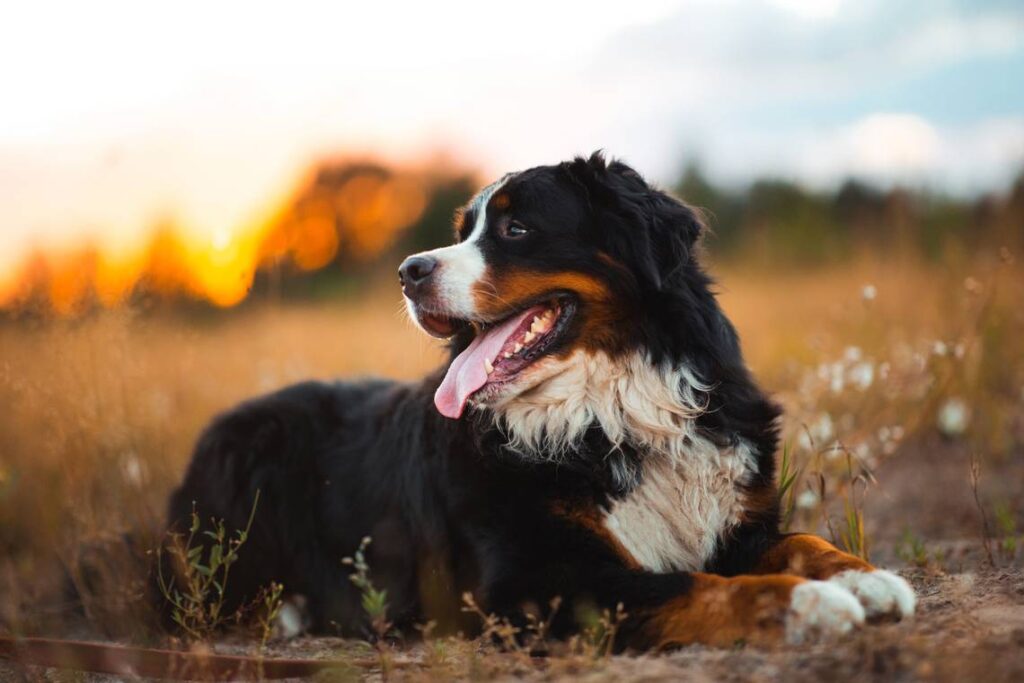
Key specs: 23-27.5 inches, 70-115 pounds
The Bernese mountain dog is a popular family dog for two big reasons: attention and loyalty. With one of these dogs, you can rest assured your child or children have a loyal companion that will sit with them while you aren’t watching them.
Pros
These big, imposing dogs are loyal, gentle, and quite hardy. They are also fairly intelligent. If they grow with your kids, they will stick with their little humans through thick and thin, and they will be big enough to deter any potential threats. However, Bernese mountain dogs aren’t very threatening, so they’re totally safe for your kids to play with, climb around, and explore the outdoors with.
Cons
Because Bernese mountain dogs are so big, they only live for up to 10 years. They also require a good amount of food and a decent amount of exercise in their early years, so keep this in mind. If you have a small apartment, this may not be the best family dog for your needs.
Best for Indoor Companionship: French Bulldog (Frenchies)

Key specs: 11-13 inches, < 28 pounds
French bulldogs, affectionately called Frenchies, are some of the most popular small dog breeds you can adopt for your family.
Pros
That’s because these dogs are easy-going, adaptable, and pretty smart. Since they don’t need a ton of exercise, these dogs are great indoor companions, particularly if your kids are also indoor hobbyists. Just take them on a walk from time to time, and you’ll find that these dogs respond well to commands. They’re great for kids, young adults, and older adults alike.
Cons
Frenchies can be known to have health issues from time to time, so they’ll need regular vet checkups. Because these dogs aren’t very athletic, you’ll also need to watch their diets carefully to avoid making them overweight.
The Bottom Line
As you can see, there are great family dog breeds! Collies are excellent outdoor pups, for instance, while French bulldogs are better for indoor families. Head down to your local adoption center or shelter and bring your kids with you. Above all else, have fun with your new furry friend!
Sources: