

Whether you’re a tech enthusiast or just beginning your smart home journey, choosing the right hub can be a game-changer in how you interact with your home.
Before we jump into our top picks, let’s talk about what you want to look for:
- Compatibility: Ensure the hub works with a wide range of devices, from your iPhone or Android to voice assistants like Siri and Alexa. It’s all about creating a seamless ecosystem.
- Connectivity: Look for hubs that support various protocols like Zigbee, Thread, or Wi-Fi. This ensures that your smart plugs, thermostats, and home security systems work together seamlessly.
- User Experience: A hub with an intuitive mobile app and features like voice control can make managing your smart home a breeze.
- Privacy and Security: With more connected devices, security systems and privacy features are essential.
We’ve handpicked the top 10 smart home hubs of 2024, considering everything from their compatibility with devices like Echo Dot, Philips Hue, and SmartThings Hub to their integration with services like IFTTT and Netflix. With that in mind, let’s begin.
Best for Tech-Savvy Households: Amazon Echo (4th Gen)

Key specs: HD audio, Zigbee and Matter support, Alexa voice control, multi-room music, privacy features
The Amazon Echo (4th Gen) is a smart speaker serving as your smart home’s command center. Its sleek design hides a powerhouse of functionality, making your life easier and your home smarter.
Pros
The Echo shines with its premium sound quality. It provides crisp, room-filling audio that adjusts to your environment, perfect for audiophiles or those who appreciate the finer details in music. The smart home hub capability is another standout feature.
It effortlessly integrates with a range of devices — from lights to thermostats, offering a centralized control point. This is both convenient and transformative for your daily routines, letting you manage your home with simple voice commands. Plus, with privacy controls like the mic-off button, you know your conversations stay in the room.
Cons
Alexa’s voice recognition can be a bit hit-or-miss, especially in noisy environments. Additionally, while the Echo offers a plethora of features, it might be overwhelming for those new to smart home technology, requiring a bit of a learning curve to fully utilize its capabilities.
Best for Enhancing Family Communication and Smart Home Management: Google Nest Hub Max
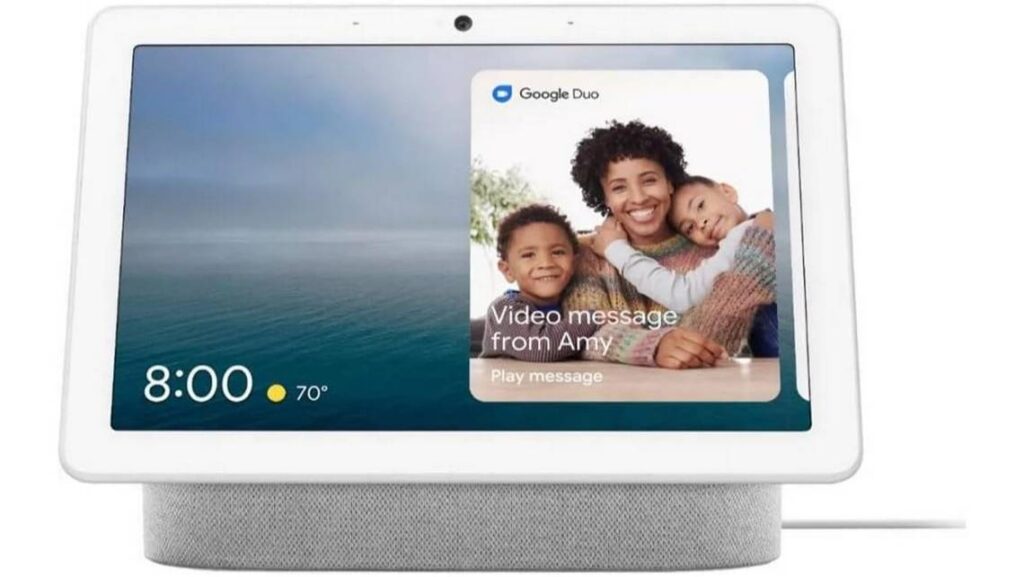
Key specs: 10-inch HD screen, 6.5MP camera, stereo speakers with 30W subwoofer
The Google Nest Hub Max stands out for its ability to streamline home automation while keeping families connected. Its large screen and quality speakers make it a communication lifeline, ideal for video calls and managing devices.
Pros
The Hub Max shines in integrating into daily life with ease. Its vivid display doubles as a digital photo frame, and the audio system enriches any room. The kitchen’s food icons and timers are a real asset, blending voice command convenience with practical touch control.
Cons
There were some instances of intermittent video call quality issues, though this could be tied to Wi-Fi rather than the device itself. The necessity for a Google Duo account might limit its universal appeal.
Best for Multi-Device Integration in Smart Homes: Brilliant Smart Home Control
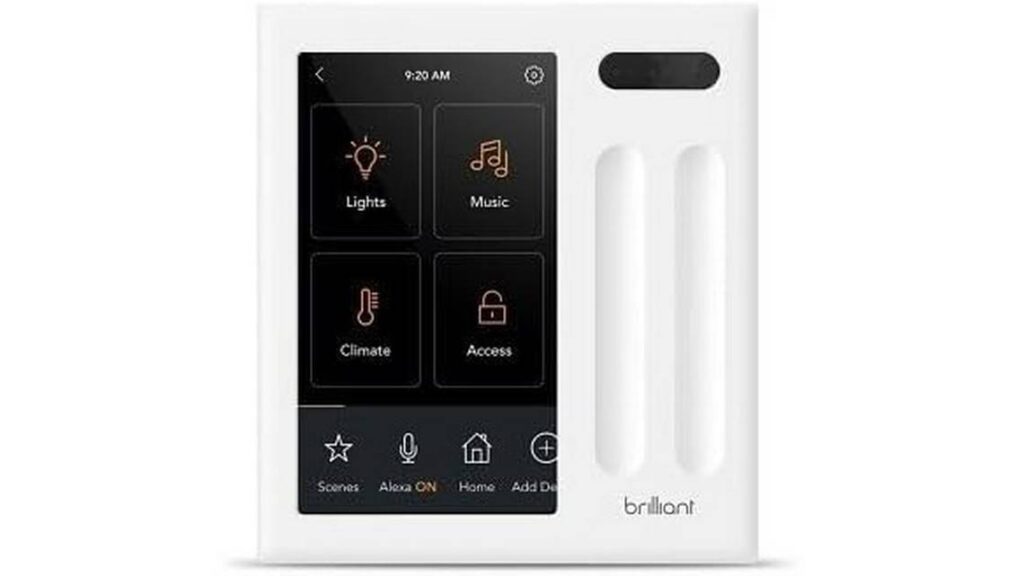
Key specs: Touchscreen panel, voice control, compatible with Ring, Apple HomeKit, SmartThings, Amazon Alexa, Wi-Fi connectivity
The Brilliant Smart Home Control is a sleek hub designed to centralize your home automation. Replacing a standard two-gang light switch panel, it boasts a five-inch LCD touchscreen and voice control, streamlining the management of devices like lights, cameras, and smart locks.
Pros
One standout feature is its compatibility with a range of devices, from Sonos speakers to Ring doorbells, making it a versatile choice for tech-savvy households. The built-in Alexa further sweetens the deal, allowing for hands-free control and reducing the need for multiple voice assistants cluttering your space.
Its stylish aluminum finish adds a modern flair to any room, and the touchscreen interface is intuitive, even for those less acquainted with smart home technology.
Cons
The dimmer function is less than ideal, struggling with adjusting light levels without discomfort. This can be a bit of a letdown for those seeking seamless smart lighting control. While it excels in some areas, it seems to stumble in others, notably in consistent performance and connectivity.
Best for Tech-Savvy Homeowners Looking for a Smart Home System: Aeotec Smart Home Hub

Key specs: Two Amps, 120 Volts, ZigBee, Bluetooth, Matter, Wi-Fi, Z-Wave connectivity
The Aeotec Smart Home Hub stands out as the nerve center of your smart home. It excels in bringing together a wide array of smart devices from different brands, offering both the flexibility and sophistication to upgrade your home’s intelligence.
Pros
The Aeotec Smart Home Hub is a true leader in home automation. Its compatibility with over 5,000 smart devices, including popular choices like Amazon Echo, Google Home, and Apple HomeKit, makes it versatile for a diverse range of households.
The integration with voice assistants like Amazon Alexa and Google Assistant adds a layer of convenience, enabling users to control their home with just their voice.
The hub’s ability to run automation locally is a significant advantage, ensuring that your smart home remains functional even during internet outages. Additionally, customers appreciate its straightforward setup process, making it less daunting for those who are not tech-savvy.
Cons
Connectivity issues are present, particularly when integrating certain smart devices like cameras and door locks. Also, the hub’s performance and ease of setup aren’t consistent.
Best for Local Control and Data Privacy: SONOFF iHost Smart Home Hub
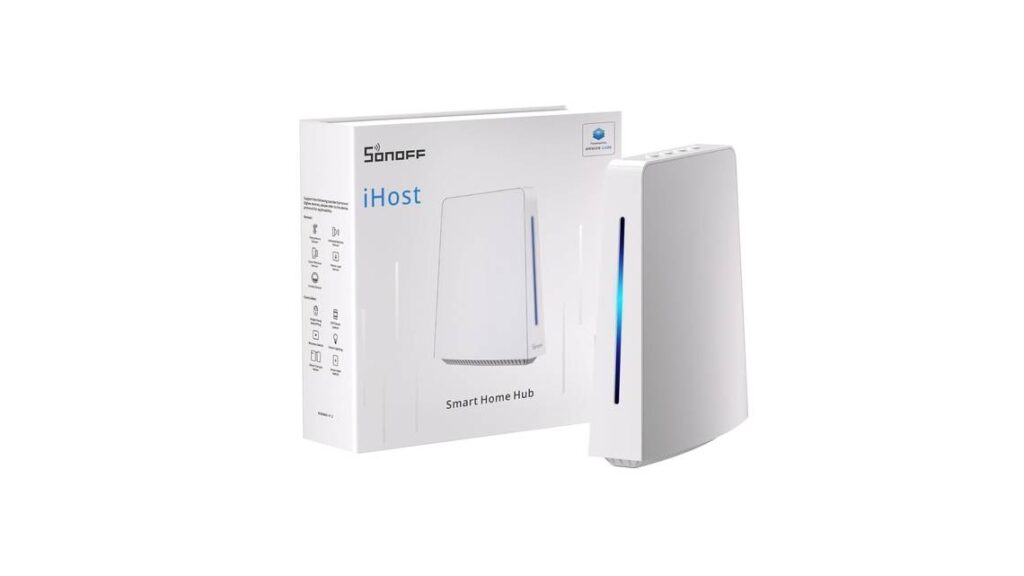
Key specs: Local data storage, compatible with LAN and Zigbee devices, Open API, supports up to 128 sub-devices
The SONOFF iHost Smart Home Hub stands out as a private local server, ideal for those prioritizing in-house data security and seamless smart home integration without depending on the internet.
Pros
With support for up to 128 devices, it’s strong in managing a wide array of smart home gadgets, from smart lighting to thermostats. Its compatibility with Zigbee adds to its versatility, making it a practical option for a diverse range of smart home devices.
The open API and Docker containerization open the door for customized add-ons, enhancing its functionality to suit individual needs.
Cons
A lack of Z-Wave support is a significant drawback for anyone heavily invested in Z-Wave devices. This oversight restricts its ability to be a one-stop solution for comprehensive home automation, potentially necessitating additional hubs or adapters.
Best for Comprehensive integration and Voice Control: Ezlo Plus Smart Home Hub

Key specs: Operates on MiOS by Ezlo, supports Z-Wave, Zigbee, RF, and Wi-Fi devices, compatible with Amazon Alexa and Google Assistant, easy wall mount
The Ezlo Plus Smart Home Hub stands out as a versatile nerve center for your smart home. Running on the pioneering MiOS by Ezlo, this hub offers unmatched freedom to mix and match a plethora of devices from different brands. Its compact design, measuring just over four inches on each side, makes it an unobtrusive yet powerful addition to any room.
Pros
This hub is a true commander of home automation, orchestrating everything from light bulbs to security cameras. Its support for a wide range of protocols, including Z-Wave and Zigbee, means it plays well with a vast ecosystem of smart devices.
Additionally, the integration with voice assistants like Amazon Alexa and Google Assistant transforms your voice into a powerful command tool, effortlessly controlling your connected devices. Users particularly applaud its sleek design and intuitive setup, making it a favorite for those who value both aesthetics and functionality in their smart home setup.
Cons
Connectivity issues are the biggest complaint here, as these can be a major threat to seamless home automation.
Best for Smart Home Enthusiasts Seeking a Comprehensive Hub: Homey Pro Smart Home Hub
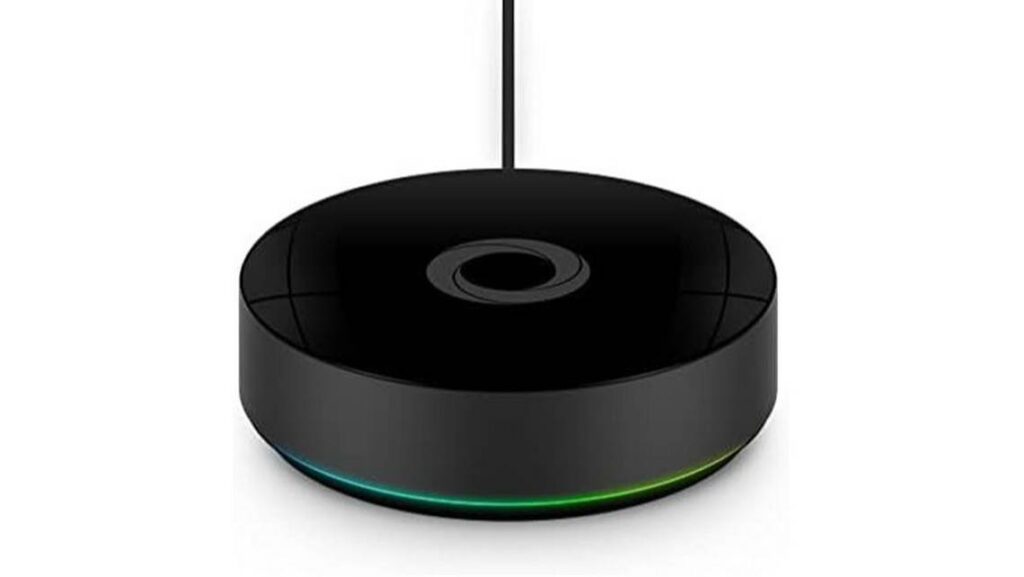
Key specs: Wireless connectivity, compatible with smartphones, measures 5 x 5 x 1.57 inches
The Homey Pro Smart Home Hub is a veritable command center for your connected home. It’s designed to integrate and control a plethora of devices, from light bulbs to security systems, all through a user-friendly interface. This hub stands out with its impressive compatibility with over 50,000 devices from more than 1,000 brands, offering unparalleled integration options.
Pros
The real draw of the Homey Pro is its broad compatibility and local-first processing approach. It supports a wide array of technologies like Wi-Fi, Zigbee, Z-Wave Plus, and more, ensuring you can connect to nearly any smart device in your home.
This hub processes data on-premise, which minimizes cloud dependency and enhances data security. With the Homey Pro, you can automate your home for energy savings, integrate your favorite brands like Philips Hue and Samsung SmartThings, and control everything from your mobile app.
Cons
The integration claims might feel a bit overstated, particularly for users in the U.S., as the marketplace for compatible devices is still growing. This could limit your options initially.
Best for Users Looking for a Versatile Smart Home Hub: HomeKit ZigBee Hub Gateway

Key specs: Wired connection, Apple HomeKit, Google Assistant, and Alexa compatible, Tuya/Smart Life App integration
The HomeKit ZigBee Hub Gateway shines as a dual-purpose hub, connecting a wide range of smart devices to major ecosystems like Apple HomeKit and Tuya. Its easy setup and broad compatibility make it a practical choice for enhancing home automation.
Pros
This hub’s versatility is its biggest strength. It works smoothly with various ecosystems and voice assistants. You can control everything from smart locks to light bulbs with a simple voice command or a tap on your phone.
The ability to create smart scenes adds to its appeal, enabling automation that can transform living spaces with minimal effort.
Cons
Integration with Tuya feels more supplementary than integral, which might disappoint users seeking deep ecosystem integration. Also, setting up non-Tuya devices can be challenging due to unclear instructions.
Best for Versatile Smart Home System: GHome Smart Home Hub

Key specs: Wi-Fi gateway, compatible with a wide range of Tuya smart devices, supports voice and app remote control, Bluetooth single point and Mesh signal, supports 2.4GHz Wi-Fi network
The GHome Smart Home Hub is a dynamic tool for those diving into smart home automation. This hub stands out with its extensive compatibility with various Tuya smart devices. From smart locks to light sources, it integrates your home’s devices into a unified, automated system.
Pros
The GHome supports numerous devices, including smart locks, light bulbs, and even security cameras, making it a central piece in your smart home puzzle. The added convenience of voice control through Alexa and Google and remote control via a mobile app makes it a top pick for those who appreciate a seamless home control experience.
Its stable and reliable Bluetooth connectivity means fewer interruptions and a smoother operation. The easy setup is a bonus, especially for those who might be less tech-inclined, ensuring a hassle-free start to smart home automation.
Cons
While common, the hub’s requirement for a 2.4GHz Wi-Fi network might be a limitation for those using a 5G or dual-band router. Additionally, the recommended proximity of 33 feet for optimal performance between the hub and connected devices could be a challenge in larger homes.
Best for Advanced Home Automation, Privacy: Hubitat Elevation Home Automation Hub

Key specs: Z-Wave 800, Zigbee 3.0, external antennas, Wi-Fi, Ethernet, local processing
The Hubitat Elevation is a compact powerhouse for your smart home. It stands out with its new external antennas and the latest Z-Wave and Zigbee protocols, ensuring your home automation is smart, swift, and stable.
Pros
Thanks to its external antennas, this hub is a whiz at keeping your smart home ticking like clockwork. These antennas significantly expand the range and slash RF latency, meaning your smart lights and security systems respond faster than ever. The best part is that it doesn’t just depend on the cloud.
With local processing, your automation keeps running even when the internet takes a coffee break, ensuring privacy and reliability. Compatibility is another strong suit, playing well with a plethora of devices from brands like Philips Hue and Samsung SmartThings.
Cons
Setting up this hub can be a bit of a head-scratcher, especially if you’re not particularly tech-inclined. And while it promises an expansive range, some users might find this doesn’t hold up in every corner of their home, potentially leaving that smart lock in the garage feeling a bit left out.
The Bottom Line
The right smart home hub can transform your living space into a streamlined, secure, and intelligent environment. Our top picks cater to a range of needs and preferences. Be sure to consider our selections in your search to discover the best smart home hub to elevate your daily life.
Sources