
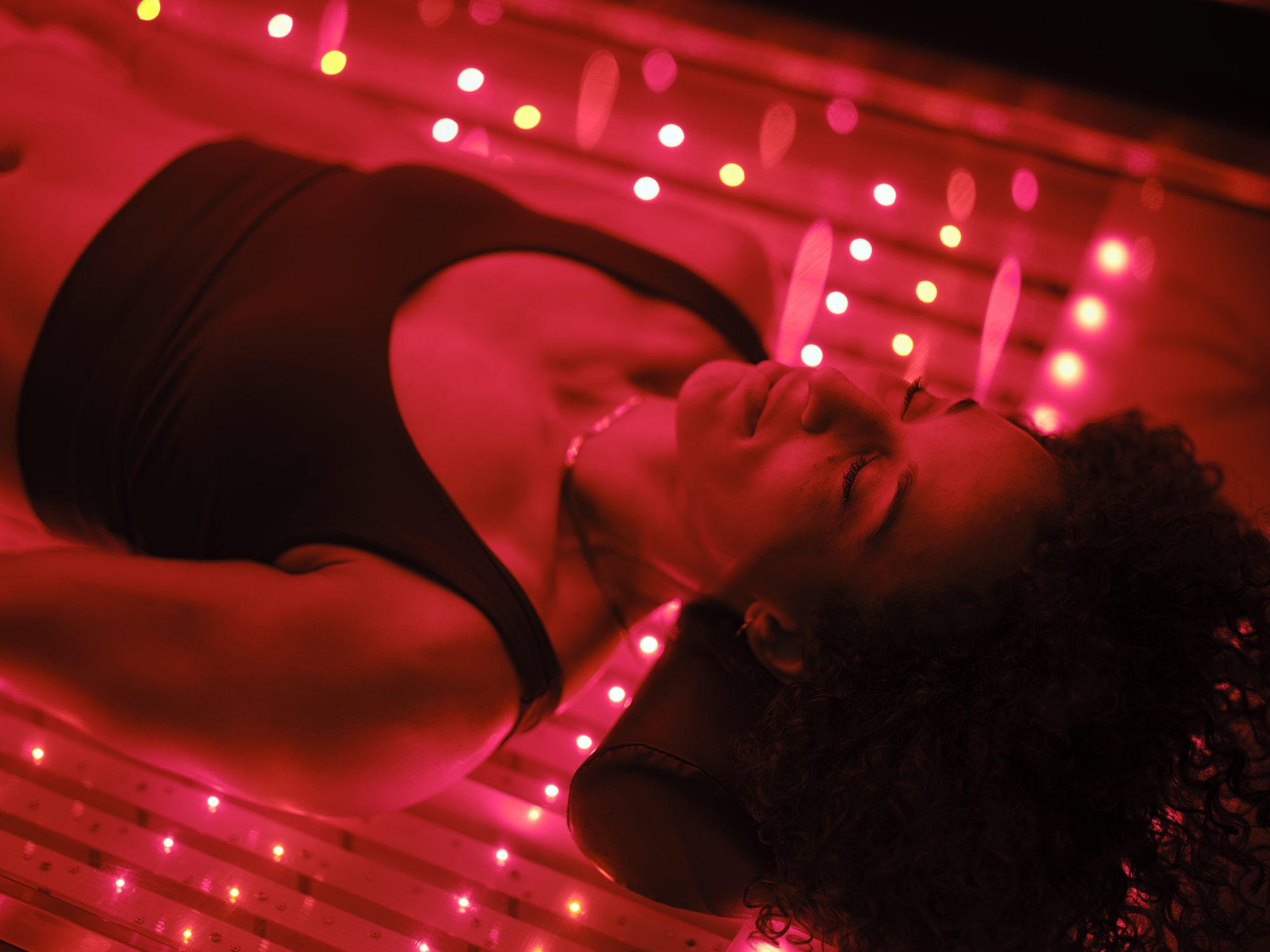
Have you heard about red light therapy but not sure what it’s all about? You’re not alone — this wellness treatment has recently skyrocketed in popularity thanks to its use by celebrities, beauty influencers and dermatologists alike. However, the actual science behind the frenzy is not as clear. That’s why we spoke with two Florida-based medical experts to dig deeper and get you the facts you need to decide if this innovative therapy is right for you.
Whether you’re looking to step up your skincare routine, reduce signs of aging or alleviate pain, red light therapy can offer significant benefits. This guide explains how it works, outlines potential applications and provides tips on how to get started safely.
What is Red Light Therapy?
Red light therapy (RLT) uses low-wavelength red light to penetrate beneath the skin and stimulate a range of biological processes at the cellular level. Originally developed by NASA to help grow plants in space, RLT is now widely lauded for its healing and rejuvenating properties.
How does Red Light Therapy work?
At the base level, red light therapy impacts the mitochondria of the human cell, often called the “powerhouse” of the cell. Dr. Jeffrey Fromowitz, Dermatologist and Medical Director at Dermatology of Boca, explains “Red light works by stimulating the mitochondria, which are the energy cells of our body, to improve skin health. This stimulation enhances wound healing, improves oxygenation, diminishes pain and acts as an antioxidant.”
The mitochondria’s response to red light increases cellular energy production (ATP), speeding up healing and reducing inflammation, which has wide-reaching benefits for skin health, pain management and even hair growth.
Red Light Therapy Benefits
Skincare
One of the most well-known applications of red light therapy is for skin health. According to Dr. Fromowitz, “Research suggests that by diminishing free radicals in the skin, red light therapy improves skin health, reduces fine lines and wrinkles and enhances oxygenation.” This makes it a popular treatment for people looking to reduce the signs of aging as well as improve skin tone and overall complexion.
Fighting aging
Dr. Mark Murphy, Founder of Palm Beach Facial Plastic Surgery and double board-certified surgeon, agrees that red light therapy’s stimulation of collagen production makes it an excellent anti-aging treatment. “It’s frequently recommended for reducing wrinkles, improving skin texture and heightening collagen production,” he says, highlighting that it can rejuvenate aging skin without the need for invasive procedures.
Pain relief
Red light therapy is not just a cosmetic treatment — it has therapeutic benefits as well. Studies have shown that it helps reduce inflammation and pain. According to Dr. Murphy, “RLT is designed to promote wound healing and tissue repair, which is particularly useful for those recovering from injury or surgery.”
Burns and wounds
By improving blood flow and reducing oxidative stress, red light therapy can accelerate the healing of burns and wounds. Its ability to boost the body’s healing process makes it valuable for treating not only surface-level damage but also deeper tissue injuries.
Hair loss and alopecia
Emerging research suggests that red light therapy can facilitate hair growth by encouraging cellular repair in hair follicles. While more research needs to be done, many users report noticeable improvements in conditions like alopecia.
Red Light Therapy risks
While generally considered safe, red light therapy does come with potential risks. For example, it’s best not to look directly into a red light. Fromowitz cautions, “As long as appropriate eye protection is used, there are limited risks. However, caution should be exercised with patients who have photosensitivity conditions, like Lupus.”
Additionally, Dr. Murphy warns of skin irritation or burning with improper or excessive use. “The most common side effects can include redness, mild irritation, or burning, particularly with high-intensity devices,” he notes.
To minimize risks, it’s important to use FDA-cleared devices, follow instructions carefully and avoid prolonged exposure.
How to use Red Light Therapy
Getting started with red light therapy is fairly straightforward, but consistency and care are key. Follow these steps to maximize its benefits:
- Choose the Right Device: Dr. Fromowitz suggests, “Consumers should check to ensure that the device is FDA-cleared and follow guidelines for usage.”
- Wear Eye Protection: Never skip protective eyewear to avoid potential damage from the red light.
- Start Slowly: To prevent skin irritation, gradually increase the length of sessions as your skin adjusts.
- Follow Manufacturer Guidelines: Pay attention to recommended treatment times and frequencies to avoid overexposure.
Types of Red Light Therapy devices
There are several types of red light therapy devices available for both professional and home use. At-home devices, including masks, wands, mats, light boxes and more, allow you to access the benefits of RLT in a convenient setting with proper use. Dr. Fromowitz says, “At-home units are less powerful than office-based machines but are a good option for personal use, provided they are FDA-cleared.”
Tips for using Red Light Therapy at home
- Start with short sessions, around 10-15 minutes
- Avoid overexposure by sticking to the recommended frequency of use
- Always use eye protection
- Check for FDA clearance when purchasing a device
- Combine red light therapy with your existing skincare routine for optimal results
Frequently Asked Questions
What does red light therapy do?
Red light therapy stimulates cellular repair, helping with skin rejuvenation, pain relief, and hair growth. It also increases collagen production, improving skin texture and reducing wrinkles.
Does red light therapy actually work?
While clinical research is ongoing, many studies and expert testimonies, including those from Dr. Fromowitz and Dr. Murphy suggest that red light therapy can effectively improve skin health, reduce inflammation and aid in tissue repair.
Can anyone use red light therapy?
Most people can safely use red light therapy, but individuals with photosensitivity or skin conditions should consult a dermatologist before beginning treatment.
How Long Should I Use Red Light Therapy?
Sessions typically last between 10 and 20 minutes, depending on the device. Start with shorter sessions and gradually build up as needed.
Where Can I Go for Red Light Therapy?
Many dermatology offices and spas offer red light therapy treatments. For at-home use, FDA-cleared devices are available, though Dr. Murphy recommends consulting with a professional to get optimal results.