Picture this: you’re camping under the stars, miles from the nearest outlet, and your phone’s battery icon is flashing red. A friend unfolds a small set of solar panels, plugs them into a sleek little box, and just like that, you’re charging again. It feels like something out of a sci-fi movie, but it’s just a solar generator doing its thing.
I remember the first time I saw this in action. I couldn’t believe how effortless it was to tap into solar energy miles from anywhere.
Solar generators are popping up everywhere, from backyard BBQs to storm prep kits, because they make using the sun’s power surprisingly easy. In fact, the global solar generator market was worth about $591 million in 2024 and is expected to grow to over $1 billion by 2032.
In this article, I will walk you through how these devices turn sunlight into electricity you can actually use, what components make it happen, and the practical tips that’ll help you get the most out of them.
Key Takeaways
- Components: A solar generator combines solar panels, a battery, and an inverter to create usable power from sunlight.
- Process: Sunlight hits the panels, electricity is stored in the battery, and the inverter converts it into AC power for your devices.
- Versatility: Perfect for outdoor adventures, camping trips, and small-scale backup power during outages.
- Efficiency Tips: Pre-charging, panel positioning, and using efficient devices can stretch stored energy further.
- Alternatives: Solar generators are quieter and cleaner than gas generators, but they’re not designed for whole-home or heavy-duty appliances.
What Is a Solar Generator?
At its core, a solar generator is a compact system that takes sunlight and turns it into usable electricity. Think of it as a portable power station with a renewable twist.
A typical setup has three main components:
- Solar panels – These collect the solar energy from the sun and start the process.
- Battery storage – Holds onto that energy so you can use it later, even when you’re off-grid or during a power outage.
- Inverter – Converts the stored power into AC output, the type of electricity your everyday devices need.
Many modern units include extras like multiple outlets, USB ports, and built-in displays showing battery life and capacity. High-quality models often use a pure sine wave inverter, which keeps the current smooth and safe for sensitive electronics like laptops or CPAP machines.
A solar generator is a small-scale renewable energy system that gives you backup power or off-grid flexibility without gas, fumes, or noise.
Step-by-Step: How Does a Solar Generator Work?
Let’s break this down without the tech jargon. Here’s the journey from sunlight to usable power:
- Solar panels collect solar energy. When sunlight hits the panels, the photovoltaics inside them generate electricity—direct current (DC) power.
- The battery stores the electricity. This energy storage acts like a giant power bank, holding your charge until you need it.
- The inverter converts the power. It changes the DC into AC output, the kind your phone charger or coffee maker uses.
- You plug in and go. Laptops, lights, or other essential devices pull power straight from the inverter.
Here’s a fun way to picture it: imagine a bucket brigade. The sun pours energy into the solar panels, they pass it to the batteries, and the inverter hands it off to your devices.
Solar generators don’t make solar electricity when it’s dark. They rely on what’s already stored. That’s why pre-charging or pairing with extra solar panels can be a lifesaver during a long trip or power outage.
Key Components Explained
A solar generator isn’t complicated once you understand the main pieces. Here’s what makes the magic happen:
1. Solar Panels
These panels capture sunlight and use photovoltaics to generate electricity. Their efficiency and size affect how quickly you can recharge, especially if you’re off-grid or preparing for a power outage.
2. Battery Storage
This is where the energy goes once it’s collected. A bigger capacity means more stored energy, so you can keep essential devices running longer. Battery type and battery life can influence performance and maintenance needs.
3. Inverter
The inverter converts the battery’s DC power into AC output, making it safe for sensitive devices like laptops, CPAP machines, or even small coffee makers. High-quality units use a pure sine wave inverter to protect electronics.
4. Ports and Outputs
Most units offer multiple outlets: standard AC plugs, USB ports, and sometimes DC car ports. This flexibility makes them suitable for everything from charging phones to running camping lights.
5. Display and Monitoring
Many modern models include digital displays for battery life, capacity, and output levels. These make it easy to track performance and plan your usage.
Real-Life Examples of Use
Solar generators aren’t just cool gadgets; they’re surprisingly practical. Here are a few ways people actually use them:
- Outdoor Adventures: Campers, van-lifers, and hikers use portable power stations to keep phones, cameras, and even small coffee makers running. It’s a quiet, clean energy option that doesn’t disturb the environment or nearby campers.
- Backup Power During Outages: Storms or grid failures can leave you in the dark. A charged solar generator can keep essential devices like phones, LED lights, or a CPAP machine running until the grid is back up.
- Off-Grid Living or Work: For remote cabins, construction sites, or fieldwork, solar generators provide reliable energy without hauling gas or hunting for outlets.
- Eco-Friendly Events: Outdoor weddings, farmer’s markets, or small community events sometimes rely on renewable energy from solar setups instead of loud gas generators.
In these situations, solar generators offer convenience, portability, and a way to save money on fuel while lowering your environmental impact. They may not power your whole home, but they’re game-changers for small-scale needs.
“One advantage of a solar generator (or a power bank without solar panels) is that they are quiet and can keep your appliances running for a while. They pair well with fuel-based generators in that you can recharge them by running your gasoline generator for only an hour or two per day instead of all the time”
u/Virtual-Feature-9747
Limitations to Keep in Mind
Solar generators are handy, but they’re not a cure-all. Before you stake your weekend or emergency plan on one, remember these points:
- Limited Capacity: Even a large-capacity solar generator isn’t designed for continuous output on heavy appliances. It can charge phones or run a mini-fridge, but won’t power your entire home or central AC.
- Weather Dependency: No sunlight, no charging. Cloudy days and long nights mean you’re running on stored energy only. Pre-charge your system or bring extra solar panels if you’re off-grid for a while.
- Slower Charging Times: Compared to gas or wall outlets, solar power takes time. Some units may need a full day of solar radiation to get fully charged.
- Higher Upfront Cost: Quality solar technologies and batteries can be pricey. While you might save money on fuel long-term, expect a bigger initial cost compared to basic gas generators.
- Not Ideal for Whole-Home Backup: They’re excellent for backup power on essential devices, but don’t expect them to handle every appliance at once.
A solar generator is a fantastic tool within its limits, but understanding those limits will keep you from overestimating its performance when you need it most.
Solar Generator vs Other Power Options
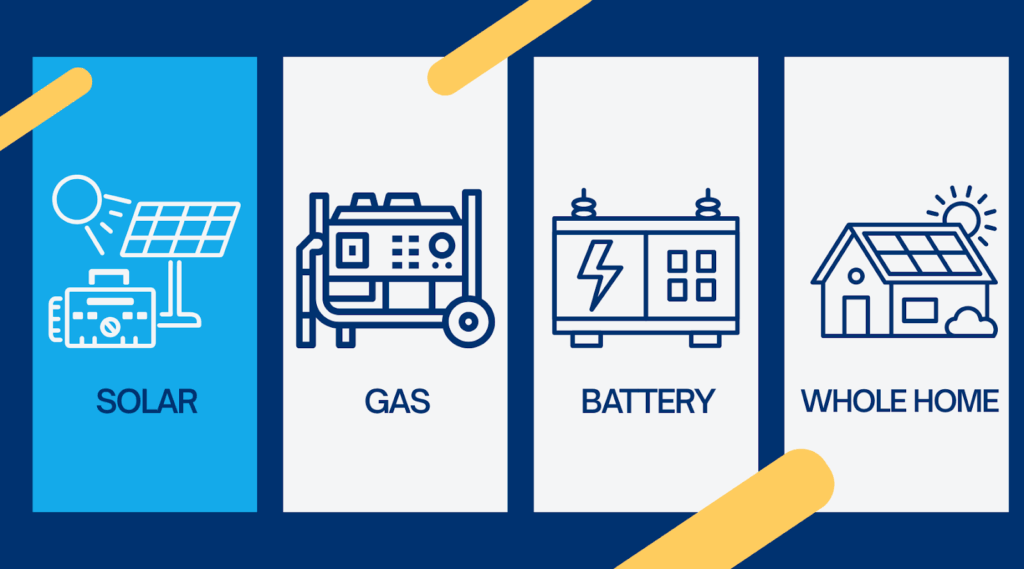
Before you pick a solar generator, it helps to see how it stacks up against other ways to keep your devices running.
1. Solar Generators vs. Gas Generators
- Noise & Emissions: Gas models are loud and produce fumes. Solar units are nearly silent and offer clean energy with zero emissions.
- Fuel & Maintenance: Gas requires fuel, oil changes, and upkeep. Solar relies on sunlight and simple maintenance, like keeping panels clean.
- Cost Over Time: Solar has a higher upfront cost, but you can save money on fuel in the long run.
2. Solar Generators vs. Standard Battery Stations
- Charging Flexibility: A standard portable power station needs a wall outlet or car charger. A solar generator can generate electricity from the sun, giving you independence when you’re off-grid.
- Longevity: During an extended power outage or camping trip, solar can keep topping itself up, while a basic battery will run out once its capacity is drained.
3. Solar Generators vs. Whole-Home Systems
- Scale: Whole-home solar systems with grid integration are designed for continuous household power, while solar generators are suitable for small-scale backup power or outdoor adventures.
A solar generator fills a unique space: portable, flexible, and eco-friendly. For quick, reliable energy, it’s hard to beat. Also, compare solar to how other generators work.
Conclusion
Understanding how a solar generator works makes choosing one a lot less intimidating. By using solar panels to collect sunlight, storing that solar energy in a battery, and converting it with an inverter, these devices give you reliable energy when you’re off-grid or during a power outage.
I don’t expect mine to replace my whole solar system or handle every appliance in my home, but for outdoor adventures, emergency backup power, or simply reducing your reliance on gas generators, they’re a smart piece of renewable energy tech.
Try a smaller unit first to get a feel for capacity and performance, and you’ll see why so many campers, preppers, and eco-conscious homeowners are adding them to their gear.
FAQs
Solar generators use a battery to hold electricity collected by the solar panels, so you can use it later, even at night or off-grid.
A small fridge or mini-fridge can be powered by a solar generator for a limited time. For full-size appliances or continuous output, you’ll need a larger capacity or additional energy storage.
No, a solar generator doesn’t generate electricity without sunlight. It can still run by relying on stored energy until you can recharge.
Anywhere from several hours to a full day is needed to fully charge a solar generator, depending on solar radiation, panel size, battery capacity, and sunlight conditions.
If you want quiet, portable, clean energy for essential devices during a power outage or outdoor adventures, it’s a solid choice.